
Thousands Protest Against Government in Mexico as Clashes Leave 120 Injured
Inside the unrest shaking Mexico as citizens demand accountability, justice, and reform

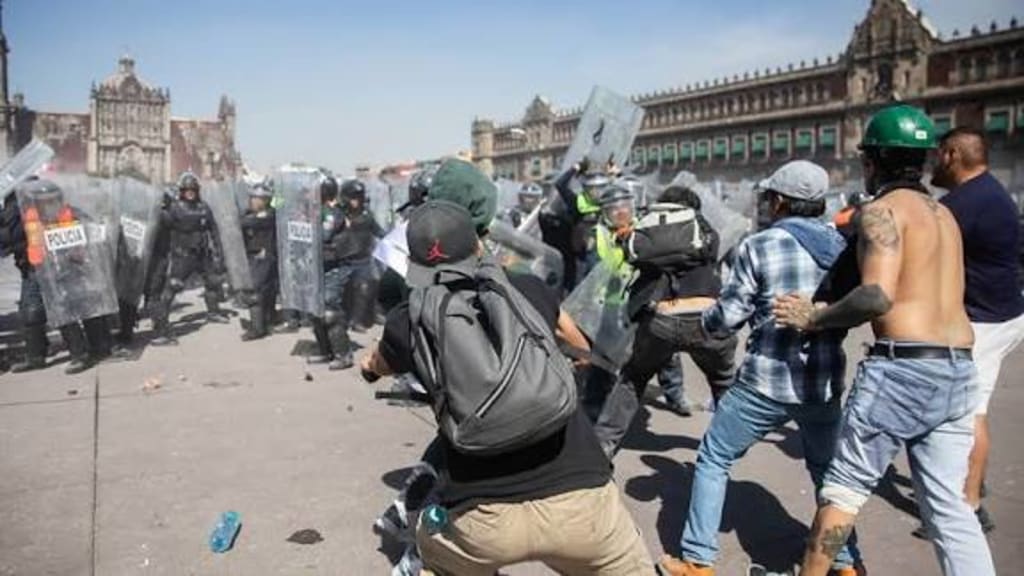
Mexico is once again witnessing a tense and emotional chapter in its political history. Over the past week, thousands of protesters flooded the streets across major cities, demonstrating against what they describe as growing government failures, increasing insecurity, and declining public trust. What began as a peaceful show of frustration quickly transformed into a dramatic scene of conflict, leaving at least 120 people injured as clashes erupted between demonstrators and security forces.
The scale of the protests has shocked many observers, not because political demonstrations are new to Mexico, but because the diversity of voices demanding change has grown louder than ever before. Students, workers, human rights advocates, teachers, and ordinary citizens from both rural and urban areas stood side by side, united by a common sense of frustration.
A Nation on Edge
Mexico has been struggling with several deep-rooted issues—rising crime rates, concerns about corruption, and controversy surrounding new government reforms. Many citizens argue that promises of transparency and improved security have not been fulfilled.
This latest wave of protests began after a series of policy decisions that angered citizens. Demonstrators accused the government of ignoring community needs, limiting democratic debate, and failing to address violence in many regions. In some cities, protesters held placards demanding justice for victims of crime, while others called for more accountability from elected leaders.
How the Clashes Broke Out
According to eyewitnesses, the protests were initially calm, with marchers chanting, waving flags, and holding signs calling for “real change.” But as the crowds grew larger, tensions escalated. In several cities—including Mexico City, Monterrey, and Guadalajara—confrontations broke out between police and demonstrators.
Some protesters attempted to push through police barricades near government buildings, prompting security forces to respond with tear gas, shields, and crowd-control measures. Video footage shared on social media showed chaotic scenes: smoke filling the streets, people running for cover, and officers clashing with groups of masked individuals.
Authorities reported around 120 injuries, including both protestors and police officers. Several people were hospitalized with breathing difficulties from tear gas exposure, while others suffered bruises, fractures, and cuts. Rights organizations criticized what they called an “excessive use of force,” while government officials claimed the violence was triggered by “a small group of agitators.”
Why So Many Mexicans Took to the Streets
The protests represent more than a reaction to one single issue. Instead, they reflect a growing dissatisfaction with the direction of the country. Among the most common concerns voiced during the demonstrations were:
1. Rising insecurity
Crime and violence remain among the biggest worries for citizens. Many feel the government’s security strategy has failed to deliver results.
2. Accusations of corruption
Several protestors accused local and national leaders of misusing public funds or failing to prevent corruption within institutions.
3. Economic frustrations
With rising living costs and unemployment in certain regions, many Mexicans feel the economy is not improving fast enough.
4. Limited public consultation on reforms
Recent changes to laws and government policies have drawn criticism for being rushed or not discussed with communities.
5. Lack of trust in leadership
The emotional core of the protests lies in a growing disconnect between citizens and those in power.
Government Response: Calls for Calm, But Questions Remain
In a televised statement, government officials urged citizens to remain peaceful and avoid being influenced by groups seeking to create instability. They insisted that reform efforts will continue and that the government is working to address public concerns.
But many Mexicans remain unconvinced. Political analysts say the protests are a warning sign that the gap between government promises and people’s expectations is widening. If the administration hopes to restore trust, experts argue, it must open dialogue, listen more carefully to citizens, and take stronger steps to curb violence and corruption.
A Turning Point for Mexico?
For many people who joined the demonstrations, the protest movement is not just a reaction—it is a demand for a better future. As one protester said while holding a sign reading “Mexico deserves justice,” the goal is not chaos but accountability.
The coming weeks will be critical. Whether the government chooses to respond with understanding or defiance will
About the Creator
Fiaz Ahmed Brohi
I am a passionate writer with a love for exploring and creating content on trending topics. Always curious, always sharing stories that engage and inspire.
Keep reading
More stories from Fiaz Ahmed Brohi and writers in The Swamp and other communities.
Feud Erupts Between Trump and Ally Marjorie Taylor Greene Ahead of Epstein Files Vote
A surprising political feud has erupted between former U.S. President Donald Trump and one of his most loyal supporters, Representative Marjorie Taylor Greene. The clash comes at a critical moment, just days before Congress moves toward a major vote on whether to release more documents related to the Jeffrey Epstein case — files that many Americans believe could expose powerful figures and long-buried secrets.
By Fiaz Ahmed Brohi2 months ago in The Swamp
Many Fiery Remarks, Little Clarity on What’s Next at Security Council Meeting on Iran
When the United Nations Security Council met on January 15, 2026, to discuss the escalating crisis in Iran, it was anything but calm. The chamber was filled with passionate speeches, heated accusations, and urgent warnings, yet by the end of the session, one thing was clear: there was very little clarity on what comes next.
By Aqib Hussaina day ago in The Swamp




Comments
There are no comments for this story
Be the first to respond and start the conversation.