
The United States Dismantles Dams in the World’s Largest River Restoration Project
How removing massive dams unlocked 420 miles of salmon habitat, reshaped river temperatures and flows, and triggered a cascading ecological recovery

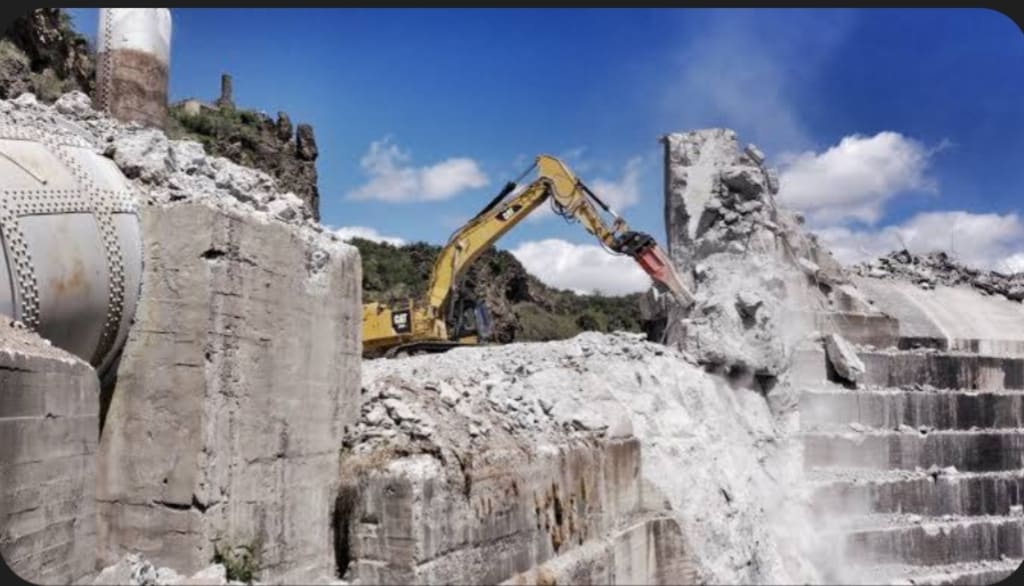
The United States has embarked on the largest dam removal project in world history, dismantling a series of aging hydroelectric dams to reopen more than 420 miles of river habitat for salmon and other native species. What began as an engineering and policy decision has rapidly evolved into a landmark environmental experiment—one that is already demonstrating how rivers, once freed, can begin to heal themselves through a powerful domino effect of ecological change.
At the heart of this historic effort is a growing recognition that while dams once symbolized progress, power generation, and flood control, many have outlived their usefulness. Built decades ago, these structures increasingly pose environmental risks, limit biodiversity, and disrupt natural river systems. Their removal marks a shift in how the United States balances infrastructure needs with ecological restoration.
---
Why the Dams Were Removed
The dams targeted in this project were constructed in the early to mid-20th century, primarily for hydropower generation. Over time, their efficiency declined, maintenance costs soared, and their environmental toll became harder to ignore. Most critically, the dams blocked migratory fish—especially salmon—from reaching historic spawning grounds upstream.
Salmon are more than just an iconic species; they are a keystone of river ecosystems. Their life cycle connects oceans, rivers, forests, and wildlife. When dams sever migration routes, salmon populations collapse, and the ripple effects spread through entire food webs. For Indigenous communities and fishing economies, these losses have cultural and economic consequences that extend far beyond the riverbanks.
With renewable energy alternatives expanding and the dams contributing relatively little electricity, policymakers, tribal nations, scientists, and environmental groups found rare common ground: removing the dams offered more long-term benefits than keeping them.
---
Opening 420 Miles of Lost Habitat
One of the most striking outcomes of the project is the reopening of 420 miles of continuous river habitat, much of it inaccessible for over a century. These upstream stretches include cold, fast-flowing waters ideal for salmon spawning and juvenile development.
Within months of the removals, biologists observed salmon venturing into areas their species had not reached in generations. This rapid response underscores a critical truth in ecology: nature remembers. Even after decades of disruption, species can rebound quickly when barriers are removed and conditions improve.
---
The Domino Effect: How Rivers Begin to Heal
Dam removal triggers a chain reaction of environmental changes, often referred to as a domino effect.
1. Temperature Stabilization
Reservoirs behind dams tend to warm water, creating temperatures hostile to cold-water species like salmon. Once the dams were dismantled, rivers resumed their natural flow patterns, allowing water to cool. Lower temperatures improve oxygen levels, reduce disease, and significantly increase survival rates for fish.
2. Natural Flow Restoration
Dams regulate water releases, flattening seasonal highs and lows that rivers depend on. Their removal restores natural flow variability, including spring floods that redistribute nutrients and reshape riverbeds. These flows create gravel beds essential for fish spawning and support diverse aquatic habitats.
3. Sediment Rebalancing
For decades, sediment accumulated behind the dams. As the structures came down, sediment moved downstream, rebuilding riverbanks, sandbars, and estuaries. While initially messy, this process is vital for long-term ecosystem health, replenishing habitats for insects, plants, and fish.
4. Ecosystem Revival
As fish return, so do birds, mammals, and insects that rely on them. Bears, otters, eagles, and even forests benefit from increased salmon populations, as nutrients from decomposing fish enrich surrounding soils. The river’s recovery spreads outward, transforming the entire landscape.
---
Cultural and Community Significance
For Indigenous tribes, the dam removal represents more than environmental repair—it is an act of cultural restoration. Many tribes have fished these rivers for thousands of years, and salmon hold deep spiritual and cultural meaning. The return of fish restores traditional practices, food security, and a sense of justice long denied.
Local communities also stand to benefit. Revitalized rivers support recreational fishing, tourism, rafting, and local businesses, offering sustainable economic opportunities that outlast aging infrastructure.
---
Addressing Concerns and Challenges
Large-scale dam removal is not without controversy. Critics raised concerns about sediment release, short-term water quality issues, and the loss of hydroelectric power. However, careful planning, phased removals, and scientific monitoring helped mitigate these risks.
Energy shortfalls were addressed through alternative renewables, while water treatment facilities adapted to temporary changes in sediment flow. Early data suggests that short-term disruptions are outweighed by long-term ecological gains, strengthening the case for similar projects nationwide.
---
A Blueprint for the Future
This unprecedented project is reshaping how policymakers and environmental planners view aging dams across the United States. Thousands of dams no longer serve their original purpose, and many pose safety or environmental hazards. The success of this initiative provides a blueprint for future river restoration efforts, demonstrating that strategic removal can restore ecosystems without sacrificing modern needs.
Globally, the project has attracted attention from countries grappling with similar infrastructure legacies. As climate change intensifies droughts, floods, and biodiversity loss, free-flowing rivers are increasingly seen as allies rather than obstacles.
---
Conclusion: Letting Rivers Run Free
The dismantling of dams in the world’s largest river restoration project marks a turning point in environmental thinking. By reopening 420 miles of habitat and allowing rivers to reclaim their natural rhythms, the United States has shown that healing ecosystems is possible—even after a century of disruption.
As temperatures stabilize, flows normalize, and salmon return, the rivers tell a powerful story: when barriers fall, life follows. The domino effect now unfolding is not just ecological—it is cultural, economic, and symbolic of a future where progress and nature move forward together.
About the Creator
Keep reading
More stories from Salaar Jamali and writers in The Swamp and other communities.
Hamas Disarmament in Gaza Comes With ‘Some Sort of Amnesty’: U.S. Official
In a significant development in efforts to move forward from years of conflict between Israel and Hamas, a senior U.S. official has said that any disarmament of Hamas fighters in the Gaza Strip may be tied to “some sort of amnesty” for members of the group — a statement that has drawn attention and debate across diplomatic, military, and humanitarian circles.
By Salaar Jamaliabout 21 hours ago in The Swamp
Drone Hits Container Ship Aurelia After Departure From Novorossiysk
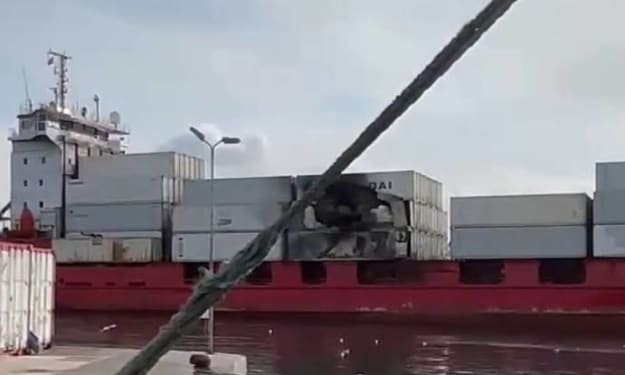
A container ship, the Aurelia, was reportedly struck by a drone shortly after departing from the Russian port of Novorossiysk, raising concerns about maritime security and regional tensions. The incident, confirmed by shipping authorities, highlights the growing risk of unmanned aerial threats to commercial shipping in busy international waters. Officials say the ship sustained minor damage, and no crew members were injured, but the event underscores the increasing use of drones in conflict zones and strategic maritime routes. The Incident According to initial reports, the Aurelia was departing Novorossiysk, a key port on the Black Sea, when it was hit by a small, unmanned aerial vehicle (drone). The vessel, which carries containerized cargo to various international destinations, was immediately checked for structural damage, and standard safety protocols were followed. The Russian authorities have launched an investigation to determine the type of drone involved, its origin, and whether the attack was targeted or accidental. Maritime Security Concerns The incident raises serious questions about maritime security in the Black Sea and nearby waters, where commercial shipping often intersects with geopolitical tensions. Experts warn that drones have become increasingly accessible to state and non-state actors, allowing them to target ships, ports, and offshore installations with minimal risk. Shipping analysts point out that even small drones can cause significant damage to vessels, endanger crews, and disrupt international trade routes if left unchecked. Strategic Importance of Novorossiysk Novorossiysk is one of Russia’s most important ports on the Black Sea, handling millions of tons of cargo annually, including grain, oil, and industrial products. Any incident in this area has the potential to affect regional trade, global supply chains, and shipping insurance rates. Maritime experts emphasize that ports like Novorossiysk are strategically sensitive, and even minor attacks can have wide-ranging economic and political implications. Drone Threats to Commercial Shipping The use of drones in maritime environments is a growing global concern. Modern drones are lightweight, portable, and often difficult to detect, making them capable of: Tracking ship movements Delivering explosives or causing physical damage Disrupting port operations and cargo handling Acting as tools for espionage Shipping companies are now investing in anti-drone technology, radar systems, and security protocols to mitigate these risks. However, authorities admit that unmanned aerial threats remain a serious vulnerability for commercial vessels. Economic Implications While the Aurelia incident caused no injuries and limited damage, the broader economic risks are significant. Experts warn that: Insurance premiums for vessels in high-risk areas may rise Shipping routes could be adjusted to avoid potential drone attacks Global trade in sensitive regions could face disruptions if incidents increase The presence of drones in maritime corridors has become a factor in trade strategy, route planning, and port security, particularly in conflict-prone regions. Regional Context The Black Sea has become a hotspot for military activity and geopolitical tension. Countries in the region, including Russia, Ukraine, and NATO allies, maintain significant naval operations. While the exact motivations behind the drone attack on the Aurelia remain unclear, analysts suggest it could be related to ongoing regional conflicts or security testing by state or non-state actors. Maritime security experts stress that international cooperation is crucial to ensure commercial shipping remains safe in contested waters. International Response Shipping organizations and maritime authorities have expressed concern over the incident. The International Maritime Organization (IMO) and other bodies are monitoring developments and recommending precautionary measures for vessels operating in sensitive regions. Experts suggest that ship operators conduct risk assessments, implement enhanced lookout procedures, and coordinate with local authorities when passing through areas prone to drone or missile attacks. Crew Safety and Protocols The Aurelia’s crew reportedly followed established safety procedures, ensuring the ship remained operational and undamaged beyond minor impacts. Maritime safety protocols now often include: Immediate assessment of damage after an aerial or missile threat Communication with port authorities and coast guard services Evacuation plans if drones carry explosives or pose direct danger Reporting incidents to national and international maritime organizations These measures are becoming standard practice in regions where drones pose a credible risk to commercial vessels. Looking Ahead The Aurelia incident is a reminder that modern maritime operations are increasingly vulnerable to unmanned threats. Shipping companies and port authorities worldwide are being urged to: Invest in drone detection and neutralization systems Train crews on responding to aerial threats Coordinate internationally to ensure safe passage in contested or sensitive waters Experts predict that such threats will only grow unless proactive measures are implemented, combining technology, training, and international cooperation. Conclusion The drone strike on the container ship Aurelia near Novorossiysk highlights the emerging risks of unmanned aerial technology in maritime trade. While no one was injured, the incident underscores the need for heightened security, international coordination, and investment in defensive technologies. As commercial shipping continues to operate in geopolitically sensitive areas, the Aurelia serves as a cautionary example of how modern warfare and technology intersect with global trade, reminding the world that even routine maritime operations are not immune to conflict-driven disruptions.
By Fiaz Ahmed 5 days ago in The Swamp



Comments
There are no comments for this story
Be the first to respond and start the conversation.