
The U-turns Keep Coming – But Starmer’s Allies Insist They’re His Best Hope of Revival
Flexibility or Flip-Flop? How Starmer’s Strategic U-Turns Could Shape Labour’s Road to Revival"

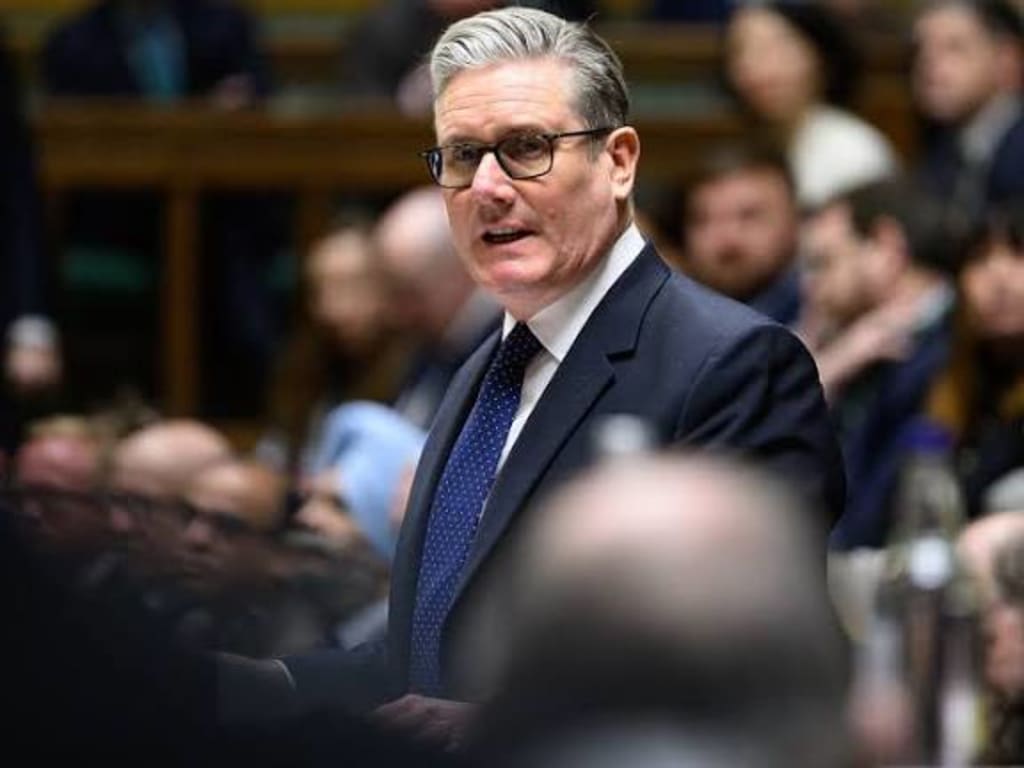
Keir Starmer, leader of the UK Labour Party, has become synonymous with political U-turns in recent months. From policy reversals to sudden changes in rhetoric, Starmer’s approach has often been met with both public scrutiny and media criticism. Yet, despite the backlash, his inner circle insists that these recalibrations are precisely what Labour needs to regain momentum and position itself as a credible alternative to the Conservative government.
Starmer’s political journey has been marked by a careful balance between pragmatism and principle. Initially praised for his disciplined leadership and clear-eyed critique of the government, the Labour leader now faces the challenge of converting public goodwill into tangible electoral gains. According to party insiders, his willingness to pivot on key issues is not a sign of weakness but a calculated strategy to appeal to a wider spectrum of voters.
One of the most high-profile U-turns came over the party’s stance on taxation for higher earners. Starmer had previously suggested maintaining certain tax increases, but after extensive polling and internal debate, he shifted towards a more moderate approach. Critics accused him of flip-flopping, yet Labour strategists argue this adjustment positions the party more favorably with middle-class voters without alienating its traditional base.
Starmer’s approach is also evident in Labour’s handling of the cost-of-living crisis. Initially, the party took a hardline stance on energy pricing, proposing aggressive intervention policies. However, the leader later modified the approach, emphasizing targeted relief measures rather than blanket price controls. Allies insist that this recalibration demonstrates responsiveness rather than indecision, signaling to voters that Labour can govern responsibly in complex economic conditions.
Political commentators note that Starmer’s U-turns also extend to social issues. The party’s evolving position on education reforms, particularly around standardized testing and teacher assessments, reflects ongoing dialogue with educators and stakeholders. While some observers perceive inconsistency, insiders argue that iterative policy development is essential in a rapidly changing socio-political landscape. By adjusting stances based on feedback and evidence, Labour hopes to present itself as pragmatic, rather than dogmatic.
Yet, the frequent reversals carry risk. Opposition parties have seized on Starmer’s shifts, portraying him as indecisive or politically opportunistic. Conservative strategists, for instance, have criticized Labour for appearing reactive rather than proactive, suggesting that the U-turns reveal internal uncertainty. Public opinion polls show that while Starmer retains respect for his competence, trust in his decisiveness has wavered slightly among swing voters.
Despite the criticism, Starmer’s allies remain confident. “In modern politics, adaptability is strength, not weakness,” one senior Labour strategist told reporters. “The public wants leaders who listen, learn, and adjust. Keir’s willingness to recalibrate is exactly what will restore Labour’s credibility and broaden its appeal.” This perspective emphasizes that U-turns, when strategically executed, can be powerful tools for regaining momentum, especially when previous positions risk alienating key voter groups.
Labour’s strategy also reflects lessons from recent elections. Parties that demonstrate flexibility, while maintaining a coherent overarching vision, tend to perform better in volatile political climates. Starmer’s team argues that the leader’s recalibrations are not random but carefully measured responses to shifting public sentiment, media coverage, and socio-economic developments. Each U-turn, they claim, is aimed at maximizing Labour’s electoral prospects while staying true to core values such as social justice, fairness, and effective governance.
Ultimately, Starmer’s political revival depends on his ability to manage perception as much as policy. While U-turns can attract short-term headlines and criticism, they also offer opportunities to demonstrate responsiveness, empathy, and adaptability. Labour insiders believe that if communicated effectively, these recalibrations will reinforce Starmer’s image as a leader capable of steering the party through complex challenges toward a stronger electoral position.
In conclusion, Keir Starmer’s spate of U-turns may frustrate some observers, but his allies insist they are strategic maneuvers designed to expand Labour’s appeal and enhance its credibility. By navigating the fine line between principle and pragmatism, Starmer hopes to convert adaptability into political advantage, convincing voters that Labour is ready to lead the UK in uncertain times. Whether this strategy will deliver electoral success remains to be seen, but for now, the party’s inner circle is betting that flexibility is the key to revival.
About the Creator
Fiaz Ahmed Brohi
I am a passionate writer with a love for exploring and creating content on trending topics. Always curious, always sharing stories that engage and inspire.
Keep reading
More stories from Fiaz Ahmed Brohi and writers in The Swamp and other communities.
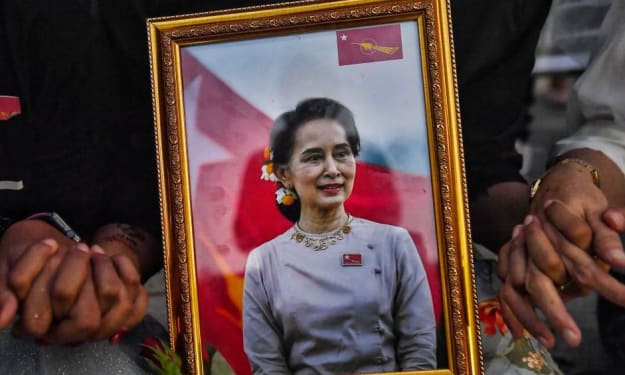
From Behind Bars, Aung San Suu Kyi Casts a Long Shadow Over Myanmar
Aung San Suu Kyi, Myanmar’s former civilian leader and Nobel Peace Prize laureate, continues to influence the nation’s political landscape despite being imprisoned since the February 2021 military coup. Her detention has not only intensified global attention on Myanmar’s political crisis but also shaped the country’s ongoing struggle for democracy, human rights, and international recognition.
By Fiaz Ahmed Brohi5 days ago in The Swamp
Suppliers: The Backbone of Global Trade, Communities, and Modern Economies
Suppliers are the often unseen backbone of modern economies, connecting raw materials to finished products and linking local communities to global markets. From small family-owned businesses to multinational corporations, suppliers play a critical role in ensuring that goods and services reach consumers efficiently and reliably.
By Aarif Lashari5 days ago in The Swamp
My New Book is Finally Here
My poetry collection Beautiful and Brutal Things is done. It's actually done and finally published over 270 pages. Over a year of my life went into this book. More than a year, really. Long days at my computer, sometimes seven days a week because I couldn't stop even when I probably should have. Then two months of editing that felt harder than the writing itself. But it's finished, and I'm still standing, and the book is real.
By Tim Carmichael3 days ago in BookClub



Comments
There are no comments for this story
Be the first to respond and start the conversation.