
The Tragic Jeju Air Flight 7C2216 Crash: An In-Depth Analysis
Aviation Disaster Insights: Jeju Air Flight 7C2216

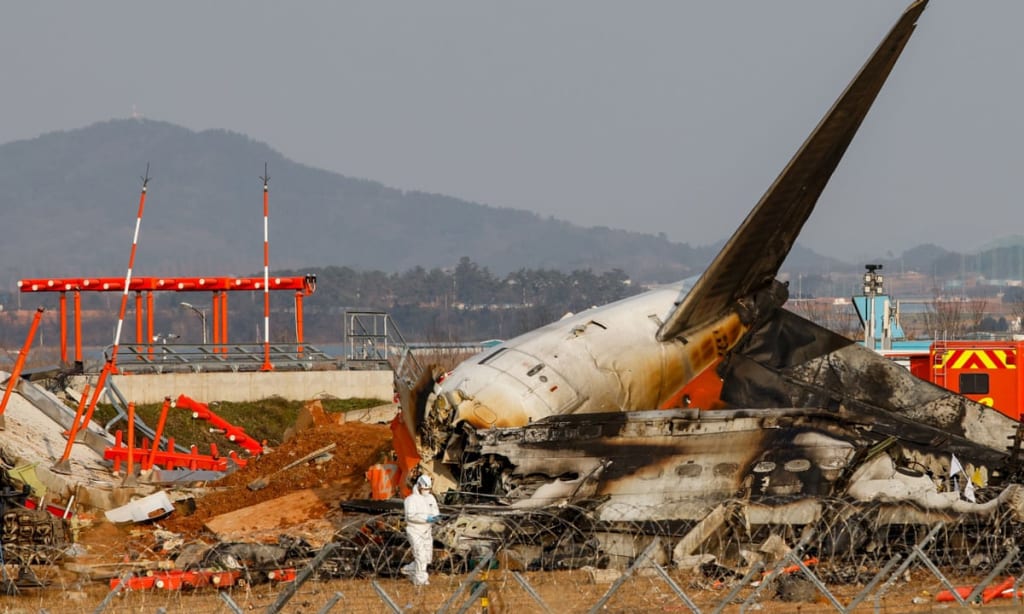
The catastrophic crash of Jeju Air Flight 7C2216 at Muan International Airport has sent shockwaves across South Korea and the world. With 179 lives lost, this incident marks one of the deadliest aviation disasters in decades. In this blog, we will delve into the details surrounding the crash, the investigation efforts, and the implications for aviation safety.
Overview of the Incident
------------------------
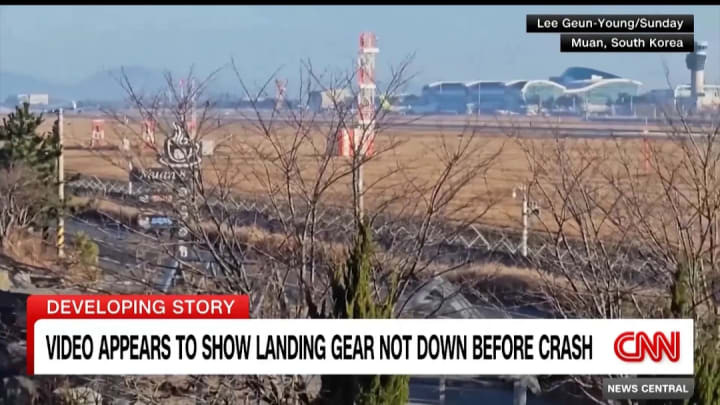
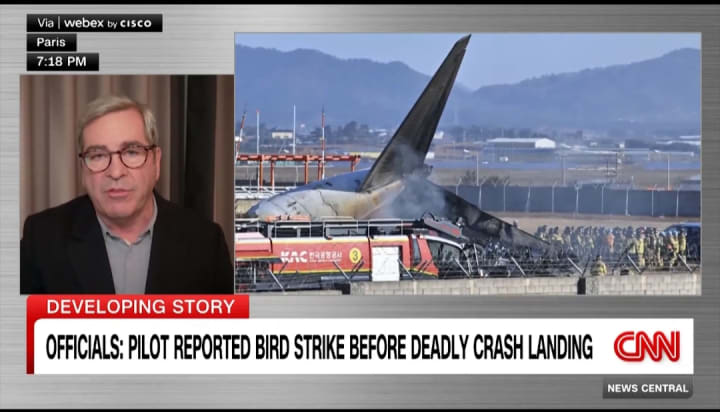
On December 29, 2024, Jeju Air Flight 7C2216, a Boeing 737-800, was returning from Bangkok with 181 people on board when it encountered serious issues during landing. Just minutes before the crash, the pilot reported a bird strike and declared a mayday. Despite the warnings from air traffic control about birds in the area, the plane made an emergency landing attempt. Unfortunately, it landed without its landing gear deployed, resulting in a devastating collision with a concrete barrier.
The Aftermath of the Crash
--------------------------
The consequences of this disaster have been severe, with only two survivors among the passengers and crew. The acting president of South Korea has ordered an emergency safety inspection of the entire airline operations system in the country, while a team from the United States is assisting in the investigation.
Understanding the Technical Aspects
-----------------------------------
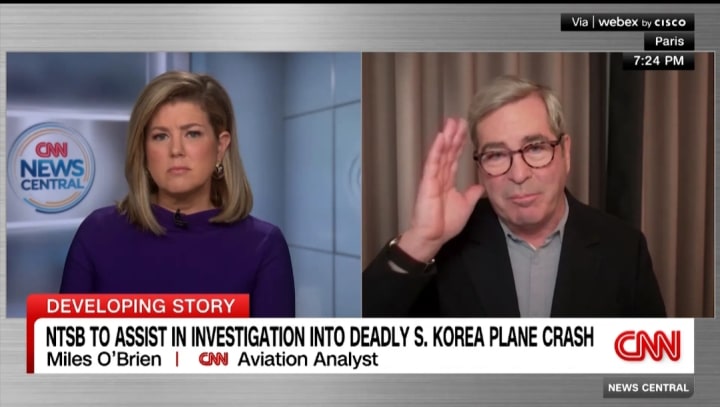
CNN aviation analyst Miles O'Brien provided insights into the possible technical failures that led to the crash. He pointed out that a bird strike alone should not have resulted in the landing gear malfunction. Typically, even in the event of engine failure, pilots can manually deploy the landing gear. O'Brien suggests that it was likely the crew's intention to keep the landing gear up to maximize glide distance in case they had lost power.
### Potential Connection Between Bird Strike and Gear Failure
While the bird strike was reported, experts believe that it may not have been the sole cause of the landing gear issue. O'Brien speculates that if the aircraft had indeed lost power from both engines, the crew would have opted for a gliding approach, which might explain why the landing gear remained retracted.
Critical Moments Before the Crash
---------------------------------
As the aircraft approached the runway, it was traveling at a high speed, which is concerning. The concept of 'ground effect' in aviation refers to the cushion of air that can cause an aircraft to float as it nears the ground. This may have contributed to the aircraft landing further down the runway than intended.
### The Role of the Concrete Berm
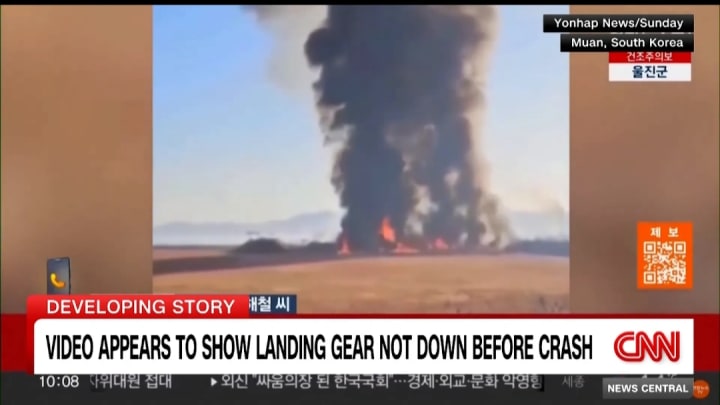
Unfortunately, at Muan International Airport, there was a reinforced concrete berm that acted as a barrier. When the aircraft overran the runway, it collided with this berm, resulting in a massive fireball and the tragic loss of life.
Comparative Analysis of Airport Safety
--------------------------------------
O'Brien pointed out that many airports in the United States utilize engineered materials at the end of runways designed to break away upon impact, thereby preventing catastrophic collisions. The absence of such safety measures at Muan International Airport raises questions about airport design and safety protocols.
Investigative Efforts and Challenges
------------------------------------
The investigation into the crash is ongoing, with the National Transportation Safety Board (NTSB) involved. They will be examining all aspects of the incident, including environmental factors, the possibility of mechanical failure, and the cockpit voice recorder for critical information. The challenge lies in piecing together the events leading to the crash, especially given the potential loss of engine power.
Survivability and Passenger Safety
----------------------------------
Given the circumstances, the question arises: should such incidents be survivable? O'Brien asserts that with proper pilot training and well-designed airports, passengers should be able to survive bird strikes, as these are not uncommon occurrences near airports. The tragic outcome of this incident highlights a need for improved safety measures and protocols.
Conclusion
----------
The crash of Jeju Air Flight 7C2216 serves as a stark reminder of the potential dangers in aviation. As investigations continue, there will undoubtedly be calls for enhanced safety regulations and better airport designs to prevent future tragedies. The loss of life is an immeasurable tragedy, and the focus must now shift towards learning from this disaster to ensure that such an event never happens again.
About the Creator
Anil Tudu
Hi My Name Is Anil
The Forsyth House Fire
Since 1851, Forsyth House has stood on the corner of Union Street and Gordon Street in the heart of Glasgow. Its iconic, or was... because on Sunday 8th of March, 2026, a fire broke out in a small, seemingly un-named shop in the building and tore all that history down. As I write, the rubble is still unsettled and the street is still blocked off. Central Station is quiet on the upper level, and around 30 small businesses have quite literally gone up in smoke.
By S. A. Crawford3 days ago in The Swamp
Mojtaba Khamenei Named Supreme Leader; Israel Bombs Tehran
Iran has entered a new and uncertain political chapter after clerical authorities named Mojtaba Khamenei as the country’s new supreme leader, even as Israeli airstrikes struck strategic targets in the capital, Tehran. The appointment follows the death of his father, Ali Khamenei, during the early days of the ongoing conflict involving Israel, Iran, and allied forces. The decision was made by the powerful clerical body known as the Assembly of Experts, which is responsible under Iran’s constitution for selecting the supreme leader. After several days of uncertainty and the establishment of an interim leadership council, the assembly announced that Mojtaba Khamenei would assume the country’s highest religious and political office. The appointment comes at one of the most volatile moments in Iran’s modern history. Israeli fighter jets reportedly carried out a series of strikes on energy infrastructure and strategic sites in Tehran overnight, sending large plumes of smoke into the sky and raising fears of further escalation. The attacks were part of a broader campaign targeting Iranian facilities and military leadership in response to missile and drone attacks launched by Tehran and its allies. A Controversial Succession Mojtaba Khamenei, a mid-ranking cleric long believed to wield influence behind the scenes, has rarely appeared in public or held major official positions. However, analysts say he maintained close ties with the powerful Islamic Revolutionary Guard Corps (IRGC), which has played a decisive role in Iranian politics and security. His elevation to supreme leader is significant because it marks the first time in the history of the Islamic Republic that power has effectively passed from father to son. Critics inside and outside Iran have argued that such a transition resembles a hereditary system rather than the revolutionary model established after the 1979 Islamic Revolution. Supporters of the new leader, however, argue that continuity is essential during wartime. Iranian state media described the decision as necessary to preserve stability and ensure unified leadership as the country faces external threats. Senior political figures and military commanders quickly pledged allegiance to Mojtaba following the announcement. Israeli Strikes Intensify At the same time, Israel intensified its air campaign against Iranian targets. Military officials in Israel said the strikes were aimed at degrading Iran’s military and energy infrastructure, including fuel depots and facilities believed to support missile operations. Residents in several districts of Tehran reported hearing multiple explosions overnight. Emergency services were deployed to affected areas, while authorities attempted to assess damage and secure critical infrastructure. Images circulating on social media showed large fires burning at industrial sites across the capital. The Israeli government has argued that the attacks are necessary to prevent Iran from expanding its military capabilities and threatening Israeli territory. However, the strikes have also heightened fears that the conflict could spiral into a broader regional war. Regional Tensions Rising The crisis has already spread beyond Iran and Israel. Missile and drone attacks linked to the conflict have targeted facilities in Gulf states, while Hezbollah forces in Lebanon have exchanged fire with Israeli troops along the border. The growing confrontation has raised alarms among international observers, who warn that the Middle East could face one of its most dangerous periods in decades. Meanwhile, Iran has vowed retaliation. Officials in Tehran warned that attacks on its territory would trigger responses against Israeli and allied interests across the region. Early reports indicated that Iran launched new waves of missiles and drones shortly after Mojtaba Khamenei’s leadership was announced. The international community has reacted with concern as the conflict escalates. Governments across Europe, Asia, and the Gulf have urged restraint and called for diplomatic efforts to prevent further violence. Energy markets have also reacted nervously, as any prolonged disruption in the region could affect global oil supplies. Analysts say the combination of leadership transition and military confrontation makes the situation particularly unpredictable. Mojtaba Khamenei now assumes power at a moment when Iran faces both internal uncertainty and external military pressure. A Defining Moment for Iran For Iran, the selection of Mojtaba Khamenei represents a defining political moment. The Islamic Republic must navigate the challenge of maintaining internal cohesion while confronting intensifying military pressure from Israel and its allies. Whether the new leader will pursue confrontation or attempt diplomatic engagement remains unclear. What is certain, however, is that his leadership begins amid war, economic strain, and deep geopolitical tensions. As Israeli airstrikes continue and Iran vows retaliation, the coming weeks may determine not only the future of Iran’s leadership but also the stability of the entire Middle East.
By Fiaz Ahmed 7 days ago in The Swamp


Comments
There are no comments for this story
Be the first to respond and start the conversation.