
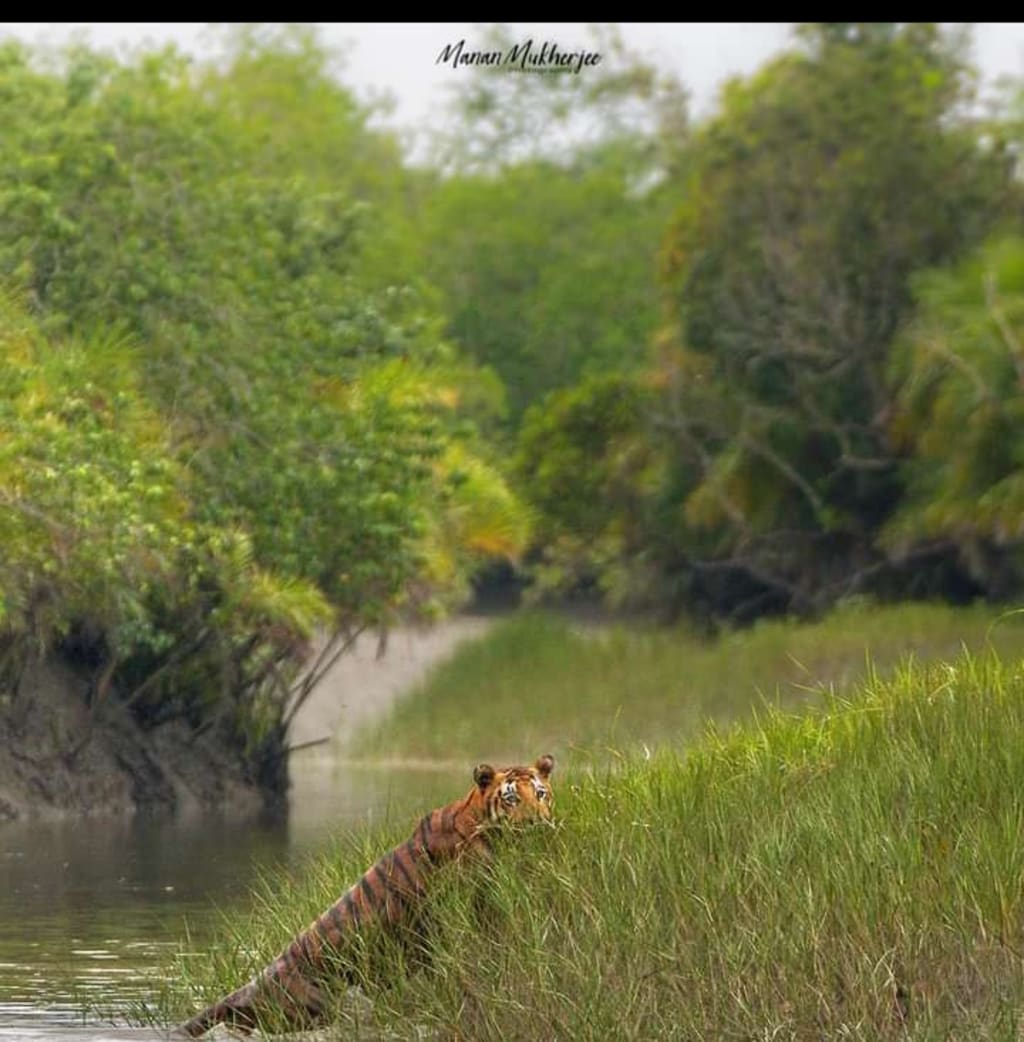
The Sunderbans, located at the delta of the Ganges, Brahmaputra, and Meghna rivers in the Bay of Bengal, stands as one of the world's most unique and vital ecosystems. Stretching across India and Bangladesh, this vast mangrove forest covers approximately 10,000 square kilometers, serving as a critical barrier against coastal erosion and cyclonic storms. Its importance extends far beyond its geographical boundaries, encompassing ecological significance, biodiversity conservation, and socio-economic sustainability.
Ecological Marvel and Biodiversity Hotspot
The Sunderbans mangrove forest is renowned for its complex network of tidal waterways, mudflats, and small islands, all of which are influenced by the daily ebb and flow of the tides. The area is predominantly dominated by Sundari trees (Heritiera fomes), which have adapted remarkably well to the brackish waters and saline conditions characteristic of tidal estuaries. These trees not only stabilize the coastline but also provide vital habitat for a diverse array of flora and fauna.
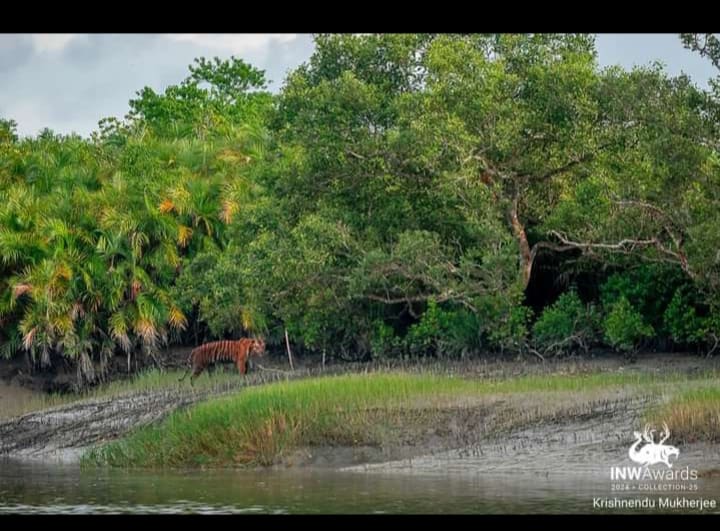
The mangrove ecosystem supports a rich biodiversity that includes numerous species of birds, mammals, reptiles, and marine life. It is home to the iconic Bengal tiger (Panthera tigris tigris), which has uniquely adapted to the mangrove environment and is one of the few tiger subspecies that can swim. Other endangered species such as the Irrawaddy dolphin (Orcaella brevirostris) and the endemic Sunderbans freshwater crocodile (Crocodylus porosus) also find refuge within these brackish waters.

Guardian Against Climate Change
Beyond its biodiversity, the Sunderbans play a crucial role in mitigating climate change impacts. Mangrove forests are renowned for their ability to sequester carbon dioxide from the atmosphere and store it in their biomass and sediment. This carbon storage not only helps combat global warming but also contributes to the resilience of coastal communities against sea-level rise and extreme weather events.
The intricate root systems of mangroves serve as natural buffers against storm surges and tsunamis, dissipating wave energy and protecting inland areas from flooding. During cyclones, the Sunderbans act as a first line of defense, absorbing the brunt of the impact and safeguarding the densely populated hinterlands of West Bengal and Bangladesh.
Challenges and Conservation Efforts
Despite its ecological importance, the Sunderbans face numerous threats that jeopardize their survival. Climate change-induced sea-level rise poses a significant risk to the mangrove ecosystem, potentially inundating low-lying islands and reducing habitat availability for wildlife. Anthropogenic activities such as deforestation, pollution from industrial effluents and agricultural runoff, and unsustainable fishing practices further exacerbate these challenges.
Conservation efforts led by governmental and non-governmental organizations aim to address these threats through various initiatives. These include sustainable resource management practices, community-based conservation projects, and the establishment of protected areas. Efforts to raise awareness about the ecological value of the Sunderbans and its role in climate resilience are also integral to ensuring its long-term sustainability.
Socio-Economic Significance
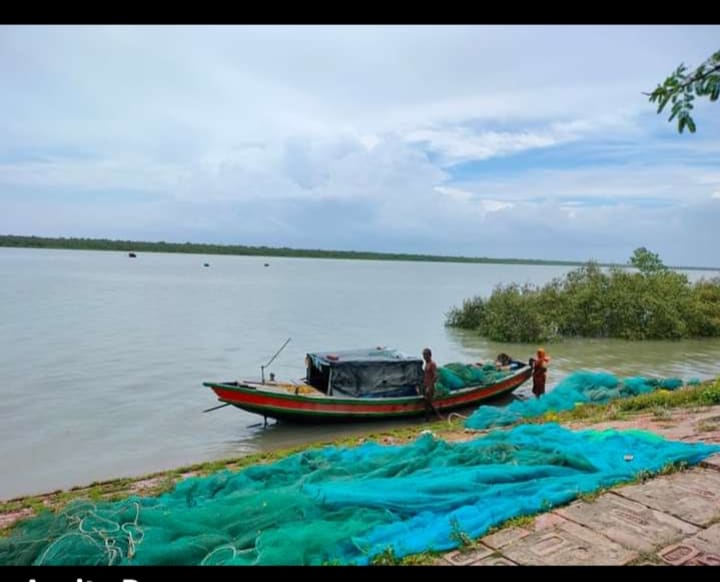
The Sunderbans support a significant human population that relies on its natural resources for their livelihoods. Fishing, honey collection, and timber extraction are among the primary economic activities undertaken by local communities. The mangrove ecosystem also plays a crucial role in providing ecosystem services such as water filtration, nutrient cycling, and soil stabilization, which are essential for agricultural productivity and human well-being in the region.
Tourism has emerged as another economic avenue, drawing visitors from around the world eager to witness the unique biodiversity and cultural heritage of the Sunderbans. Responsible tourism practices that prioritize environmental conservation and community involvement can contribute to local economies while ensuring the protection of the fragile mangrove ecosystem.
Conclusion
The Sunderbans mangrove forest stands as a testament to the intricate interplay between nature and human society. Its ecological resilience and biodiversity underscore its importance not only as a global biodiversity hotspot but also as a critical buffer against climate change impacts. As we navigate an era of environmental uncertainty, safeguarding the Sunderbans requires concerted efforts to balance conservation with sustainable development, ensuring its continued role as a guardian of biodiversity and coastal resilience for generations to come.
About the Creator
Keep reading
More stories from SANJIB MUNDA and writers in The Swamp and other communities.
The Mystique and Vitality of Saltwater Swamps: A Vital Ecosystem
Saltwater swamps, also known as coastal or tidal swamps, are unique ecosystems found along coastlines where the saline waters of the ocean meet the freshwater influx from rivers and streams. These swamps are characterised by their distinctive flora and fauna, which have adapted to thrive in brackish water—a mix of salt and fresh water. These environments are rich in biodiversity and play a crucial role in maintaining ecological balance, protecting coastlines, and supporting human activities. This article explores the significance, structure, and challenges faced by saltwater swamps.
By SANJIB MUNDA2 years ago in The Swamp
A Gathering of Evil Bosses
“I’m the queen of chin jutting while I smooth my hair, attacking, insulting, and deflecting to protect my appointer.” “Oh, please, Blondi, my hair is curled, highlighted, and longer than yours. I feature television commercials telling immigrants that we will give them a free plane ride home, and if they voluntarily turn themselves in, they will be allowed to legally apply for re-entry. It runs everywhere, and I look good in it! You can’t compete because of your blond hair. Mine is nicer, and my lips are prettier than yours.”
By Andrea Corwin 15 days ago in The Swamp
I wanted to title this something different, but worried that my chosen title might cause problems entering the United States in the future so this is the new title. It's the greatest title. No one has ever written a title better than this. (All titles unrelated to content).
Let me be honest. I am finding this difficult. Now, I like a challenge, a stretch, a bit of an obstacle course. “Write about the decline of the British Empire in the form of a narrative poem in which your protagonist is an artichoke” I read, and flex my fingers. “Write a haiku to evoke the sensation of sibilance using only the first half of the alphabet.” “Well”, I think to myself, “this should be fun.” But “write about a system that isn’t working”? A system that isn’t working? Now? In 2026? ONE system? My favourite system that isn’t working? The sexiest system that isn’t working? The one giving me the most angst day to day? The one giving me the most existential dread? I am, as I say, finding this difficult. I will own that I have contemplated writing a thousand words on why the steady “all on” setting on my fairy lights is the EIGHTH of seven options which must be sequentially activated to get there, because that is a system that some fool came up with and it definitely doesn’t work, and now who is paying the price, eh? But how can I write about my fairy lights when…. When…. When….
By Hannah Moore7 days ago in Humans




Comments
There are no comments for this story
Be the first to respond and start the conversation.