
The Mystique and Vitality of Saltwater Swamps: A Vital Ecosystem
Swamp
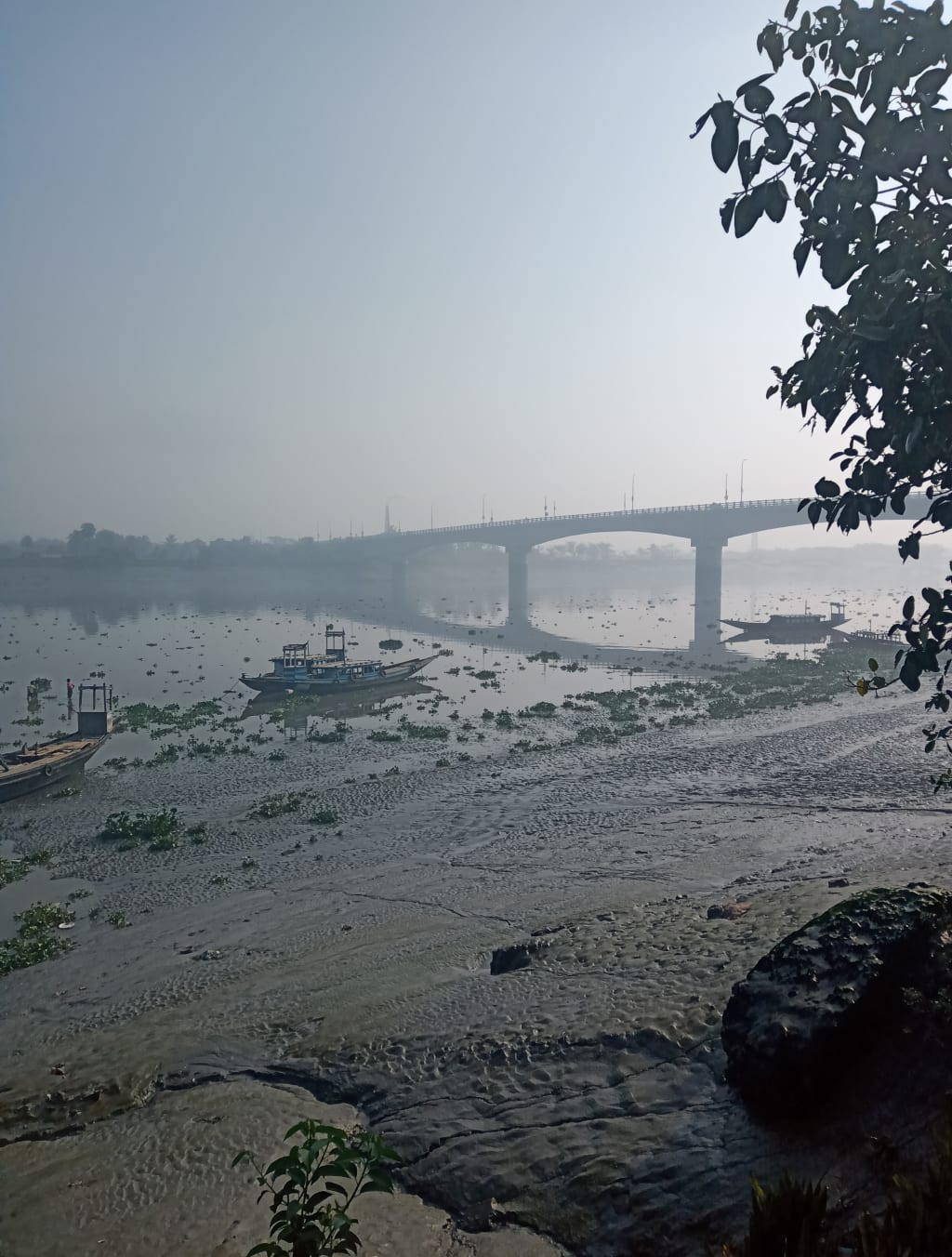
Saltwater swamps, also known as coastal or tidal swamps, are unique ecosystems found along coastlines where the saline waters of the ocean meet the freshwater influx from rivers and streams. These swamps are characterised by their distinctive flora and fauna, which have adapted to thrive in brackish water—a mix of salt and fresh water. These environments are rich in biodiversity and play a crucial role in maintaining ecological balance, protecting coastlines, and supporting human activities. This article explores the significance, structure, and challenges faced by saltwater swamps.
Structure and Biodiversity
Saltwater swamps typically form in estuarine regions where tidal actions influence water levels. Mangrove forests are often synonymous with these swamps, particularly in tropical and subtropical regions. Mangroves are salt-tolerant trees with complex root systems that provide stability to the swamp and serve as nurseries for numerous marine species. These roots also trap sediments, improving water quality and creating a foundation for other plants and animals.
The flora in saltwater swamps varies based on the geographical location and salinity levels. In addition to mangroves, species such as saltmarsh grasses, sea lavender, and various succulents thrive in these conditions. These plants have developed specialised mechanisms to excrete excess salt and survive waterlogged soils.
Fauna in saltwater swamps is equally diverse. Birds such as herons, egrets, and kingfishers are common, drawn by the abundance of fish and invertebrates. Crustaceans like crabs and shrimps, molluscs such as oysters and clams, and a variety of fish species find habitat and food within the swamp. The swamp's rich biodiversity supports larger predators, including alligators in some regions, which underscores the importance of these ecosystems in the food web.
Ecological and Economic Importance
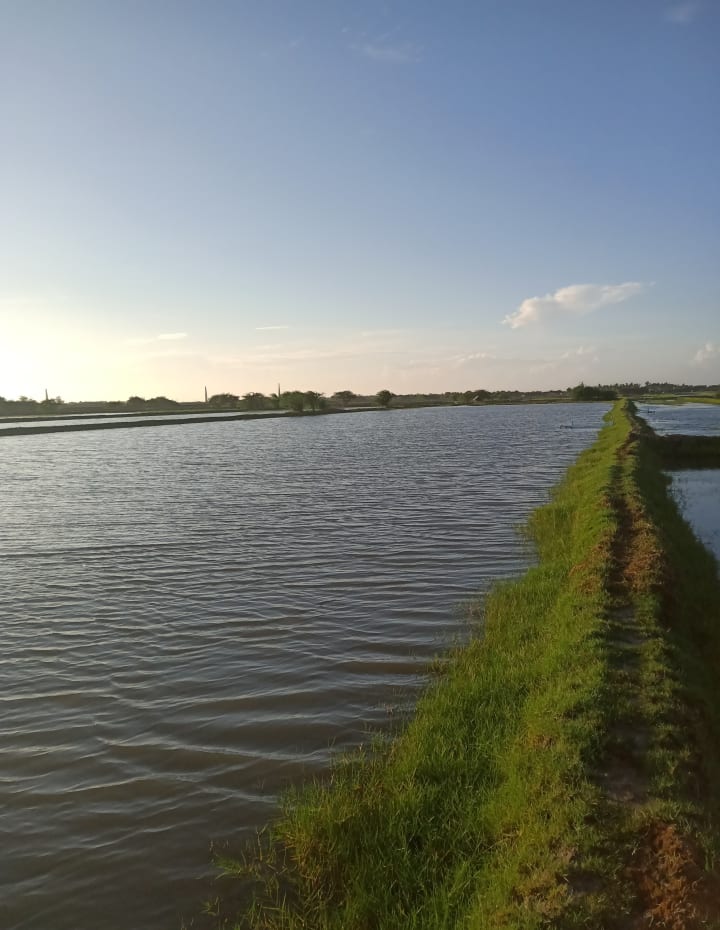
Saltwater swamps are vital for several reasons. Ecologically, they act as natural buffers against storm surges and coastal erosion. The dense vegetation of swamps absorbs the energy of waves and reduces the impact of storms on coastal communities. This protective function is increasingly important as climate change contributes to rising sea levels and more frequent severe weather events.
These swamps also serve as crucial carbon sinks. The plants in saltwater swamps absorb carbon dioxide from the atmosphere and store it in their biomass and the soil. This process helps mitigate the effects of climate change by reducing the amount of greenhouse gases in the atmosphere.
Economically, saltwater swamps support fisheries and aquaculture industries. Many commercially important fish species spend part of their life cycle in these habitats. The protection and conservation of saltwater swamps thus directly benefit local economies that rely on fishing and tourism. Additionally, the unique beauty and biodiversity of these swamps attract tourists, bird watchers, and nature enthusiasts, further contributing to economic activity.
Threats and Conservation Efforts
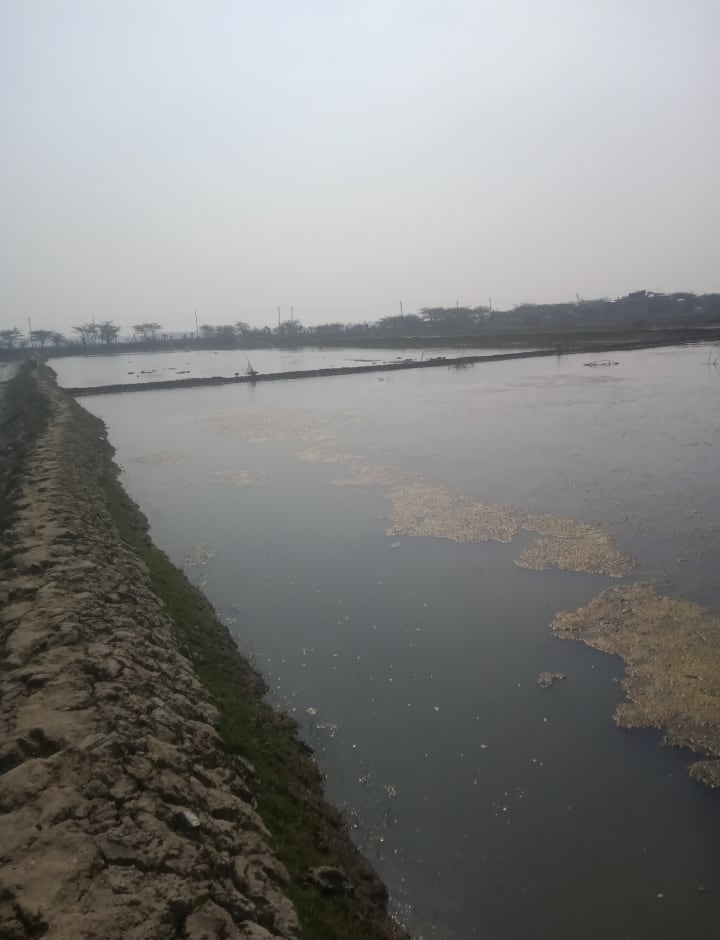
Despite their importance, saltwater swamps face significant threats. Human activities such as coastal development, pollution, and deforestation have led to the degradation and loss of these habitats. Urbanisation and the construction of infrastructure can disrupt the natural water flow, leading to changes in salinity levels that can harm the native flora and fauna. Pollution from agricultural runoff, industrial discharges, and oil spills can contaminate the water and soil, impacting the health of the ecosystem.
Climate change poses another major threat to saltwater swamps. Rising sea levels can inundate these areas, leading to increased salinity and potentially drowning vegetation that cannot adapt quickly enough. Changes in precipitation patterns and increased frequency of extreme weather events can also affect the stability and resilience of these ecosystems.
Conservation efforts are crucial to protect and restore saltwater swamps. These efforts include establishing protected areas, restoring degraded swamps, and implementing sustainable land-use practices. Mangrove reforestation projects have been successful in many parts of the world, helping to restore the ecological balance and improve coastal resilience. Additionally, raising public awareness about the importance of saltwater swamps and the threats they face can foster community involvement in conservation initiatives.
Conclusion
Saltwater swamps are dynamic and vital ecosystems that provide numerous ecological, economic, and social benefits. Their ability to support diverse flora and fauna, protect coastlines, and mitigate climate change highlights their significance. However, these ecosystems are under threat from human activities and climate change. Concerted conservation efforts and sustainable management practices are essential to ensure the survival and health of saltwater swamps for future generations. By recognising and valuing the importance of these unique habitats, we can work towards a more sustainable and resilient relationship with our natural environment.
About the Creator
Keep reading
More stories from SANJIB MUNDA and writers in The Swamp and other communities.
The Sunderbans Mangrove
The Sunderbans, located at the delta of the Ganges, Brahmaputra, and Meghna rivers in the Bay of Bengal, stands as one of the world's most unique and vital ecosystems. Stretching across India and Bangladesh, this vast mangrove forest covers approximately 10,000 square kilometers, serving as a critical barrier against coastal erosion and cyclonic storms. Its importance extends far beyond its geographical boundaries, encompassing ecological significance, biodiversity conservation, and socio-economic sustainability.
By SANJIB MUNDA2 years ago in The Swamp


Comments
There are no comments for this story
Be the first to respond and start the conversation.