
The Sea of Blockade — When Humanitarian Aid Becomes a Crime
How flotillas trying to deliver life-saving supplies to Gaza were stopped at sea — and what that means for children, women and the last threads of humanity in an enclosed land

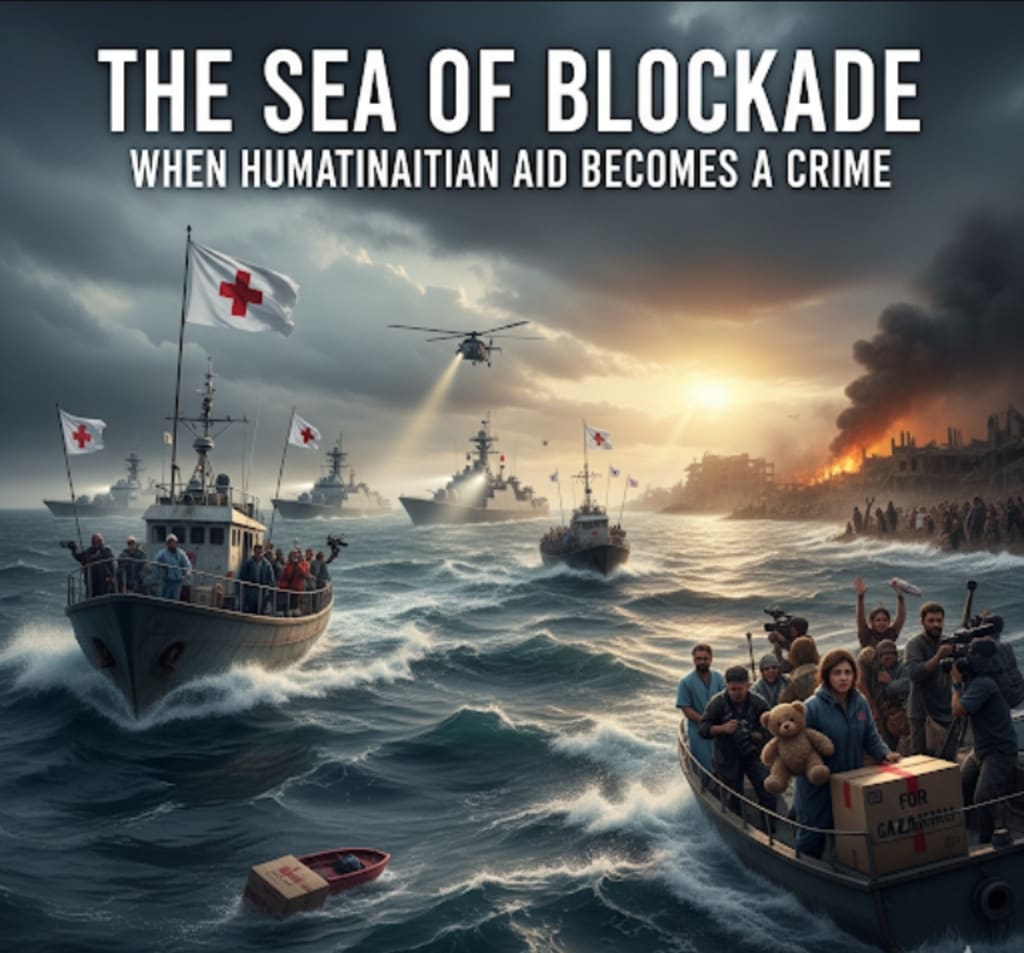
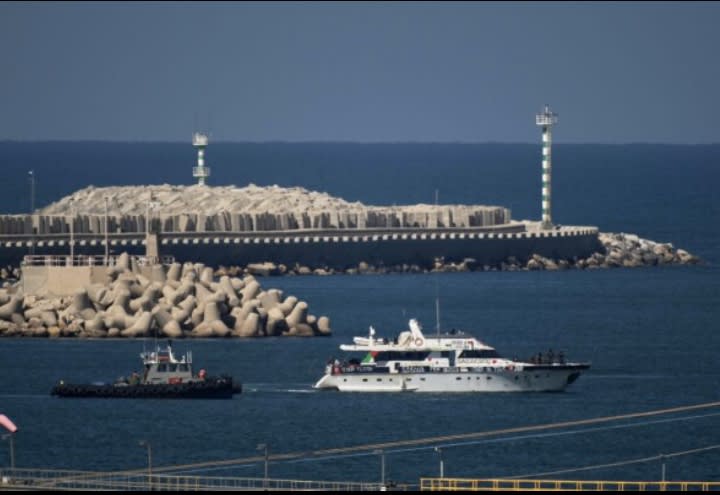
The images are stubborn: small hands reaching for bread that never arrives, hospital wards running out of oxygen, mothers carrying babies with swollen bellies piled on rubble where a house once stood. In early October 2025, two international efforts — the Global Sumud flotilla and a follow-on Freedom Flotilla Coalition convoy — set out across the Mediterranean with a single, simple purpose: deliver medicines, respiratory equipment, and basic food supplies to hospitals and families trapped inside Gaza. Instead of reaching a humanitarian corridor, many of the vessels were intercepted, boarded and their passengers detained by Israeli forces while still hundreds of kilometres from Gaza. The world watched the live feeds cut and saw volunteers — doctors, journalists, lawmakers — bundled off naval decks and taken to port.
This is not a debate about geopolitics dressed in legalese. This is about the algebra of survival: respiratory devices that keep infants breathing, antibiotics that prevent simple wounds from killing, ready-to-use therapeutic food that can reverse the slide into fatal malnutrition. UNICEF, Amnesty International and countless aid agencies have been warning for months — years — that Gaza’s hospitals and families are deep into an existential shortage. When aid ships carrying those supplies are prevented from delivering, the consequence is not abstract policy loss; it is a measurable, human death toll.
What happened at sea — the documentary trace
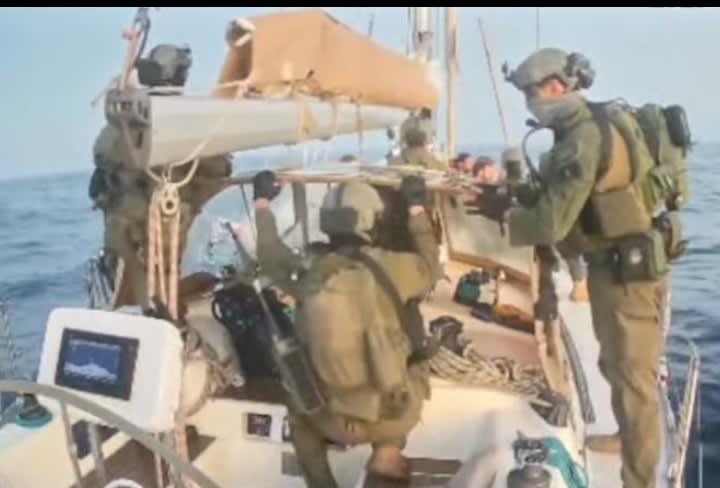
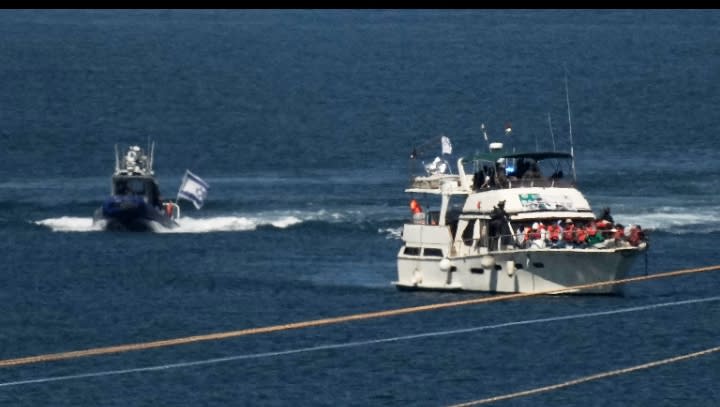
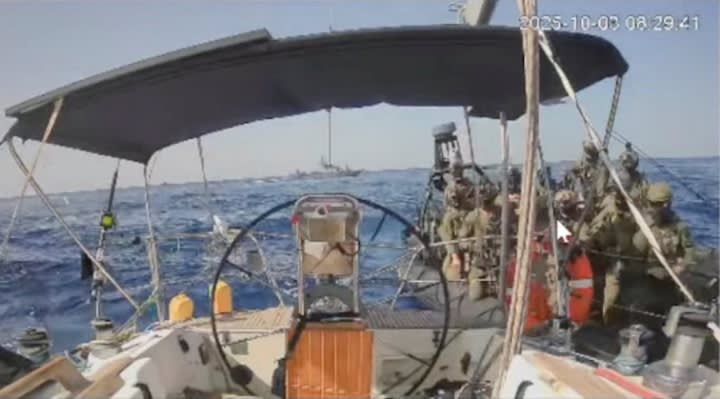
On October 6–8, 2025, activists reported multiple interceptions: the Global Sumud flotilla (roughly forty vessels and hundreds of volunteers) and, days later, a smaller flotilla organized by the Freedom Flotilla Coalition were approached, boarded and taken to Israeli ports. Organizers say the convoys carried medicines, oxygen concentrators, nutritional supplements and other urgently needed supplies destined for overwhelmed hospitals; Israeli authorities said the operations attempted to breach an established naval blockade and were stopped for security reasons. Live-streamed footage and on-board recordings — some of which were abruptly cut during boarding — show confrontations at sea, damaged cameras and, according to several participants, harsh treatment during detention.
What we can reliably say: participants included medical personnel, journalists and international activists; the convoys were stopped in international waters hundreds of kilometres from Gaza; and detainees were later deported or processed through Israeli ports. These are not partisan claims but shared facts documented by major news agencies and the flotilla organizers themselves.
Faces and stories behind the manifest
Numbers numb the conscience; personal stories don't. Consider the nurse who boarded a ship because three hospitals near her hometown in Gaza had sent messages pleading for pediatric syringes and neonatal feeding packs. She packed what little she could and sailed. Consider the volunteer medic whose sister had died in Gaza because the hospital ran out of ventilator filters; he joined the flotilla because he could no longer watch in silence. Consider children in UN shelters who wait in lines for an intravenous bag that may never come. UNICEF’s reporting over recent months has repeatedly described children shoeless, malnourished, and shivering under rubble for want of basic medical and nutritional care — conditions that could be eased by any steady flow of humanitarian goods.
These are not abstract tragedies. They are arithmetic: a blocked shipment of therapeutic food translates quickly into the clinical definition of severe acute malnutrition; a withheld consignment of antibiotics means treatable infections become mortal. When aid is constrained at sea, those equations tilt toward death. Amnesty International has framed the interception of aid flotillas in the context of an ongoing pattern that, it argues, risks using the denial of food and medical supplies as a weapon against a civilian population. Those are heavy words for a heavy reality — and they demand impartial, independent investigation.
The human cost inside Gaza — children and women first
Hospitals report running on reserve power and exhausted supplies; mothers speak of newborns who cannot get formula or warmth; children show the visible signs of prolonged deprivation. UNICEF’s situation updates describe entire clinics where only a handful of lifesaving items remain, and where medical staff are forced to make impossible triage choices. Pregnant women and newborns are uniquely vulnerable: the loss of a single anesthetic supply or a set of sterile instruments can turn routine births into crises. These conditions are not hypothetical — they are the immediate, documented backdrop against which the flotillas set sail.
Law, blockade and the moral ledger
States have the right to secure their borders and enforce blockades under international law in certain conditions; but such measures are not license to punish an entire civilian population. International humanitarian principles — proportionality, distinction, and the obligation to allow and facilitate rapid and unimpeded passage of humanitarian relief — exist precisely to prevent civilians from being starved into submission. Independent observers and human rights groups argue that the pattern of interference with aid deliveries must be scrutinized in light of those obligations. The demand for accountability is not rhetorical; it is legal and moral. Amnesty and other organizations have called for investigations into whether obstruction of humanitarian assistance meets the threshold of unlawful conduct.
What the world must not forget
Stopping a ship full of supplies is not an abstract act of sovereignty; it is an intervention in a chain of survival. It strips away the basic safety net for children, for pregnant mothers, for trauma patients whose lives hinge on a functioning supply chain. It removes hope — which in conflict zones is often as precious as any medicine. If the international community grants legitimacy to the indefinite blocking of aid, it must also reckon with the moral accounting: what price are we willing to accept in human lives?
There are immediate, non-violent steps that can reduce the suffering. Independent, transparent investigations into the treatment of detained activists and the legality of the interceptions; unequivocal corridors for the passage of medical and nutritional supplies; and diplomatic pressure to ensure that civilian needs are prioritized above military calculus. Aid flows must be steady, monitored and protected by neutral guarantees so they cannot be used as bargaining chips.
Closing: a plea written into evidence
This is not propaganda. It is a catalogue of observed events with a ledger of consequence: interrupted deliveries + depleted hospitals = preventable death. The flotillas were an attempt to thread a lifeline into a place where the lifeline has been frayed to nothing. When volunteers go to sea with oxygen machines and baby formula and are removed from the route, the result is not an abstract policy victory for one side; it is a child who never sees the medicine, a mother who never receives the dressing that could have saved her wound, a hospital forced to choose between two lives.
The moral question remains simple and brutal: can any security policy be morally justified if it deliberately withholds the basics of life from an entire civilian population? Answers cloaked in legal maneuvers cannot erase the hunger in a child’s eyes or the silence in a ward emptied by equipment failure. The facts demand urgent remedy: independent investigations, immediate humanitarian corridors, and a restoration of the basic human right to receive life-saving assistance. The sea is wide, but human conscience must be wider still.
*Load-bearing sources cited above include reporting from Reuters and AP on the October 2025 interceptions, Amnesty International statements on unlawful interception and the deliberate denial of supplies, and UNICEF reporting on the catastrophic impact of the conflict on Gaza’s children.*
About the Creator
AngelFace
✨ “I share mysteries 🔍, stories 📖, and the wonders of the modern world 🌍 — all in a way that keeps you hooked!”
The Forsyth House Fire
Since 1851, Forsyth House has stood on the corner of Union Street and Gordon Street in the heart of Glasgow. Its iconic, or was... because on Sunday 8th of March, 2026, a fire broke out in a small, seemingly un-named shop in the building and tore all that history down. As I write, the rubble is still unsettled and the street is still blocked off. Central Station is quiet on the upper level, and around 30 small businesses have quite literally gone up in smoke.
By S. A. Crawford3 days ago in The Swamp
The US Navy Decommissioned Middle East Minesweepers Last Year. Here’s What They Did
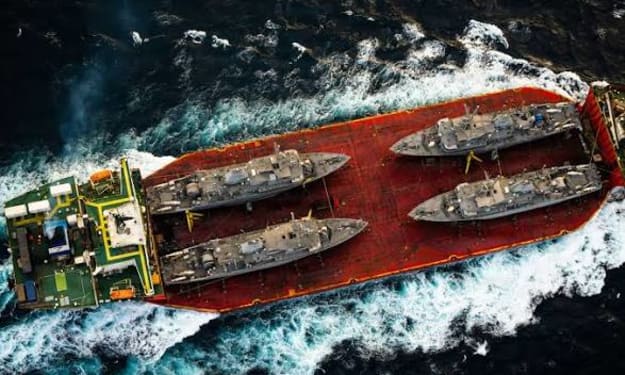
Last year, the United States Navy officially decommissioned a fleet of minesweepers that had been stationed in the Middle East, concluding decades of service aimed at safeguarding critical maritime routes in one of the world’s most strategically important regions. These vessels, which included Avenger-class minesweepers, played a crucial role in ensuring the safety of naval and commercial traffic, countering the threat of naval mines, and supporting coalition operations. Minesweepers are specialized ships designed to detect and neutralize naval mines, which are explosive devices placed in waterways to disrupt shipping and military operations. In the Middle East, particularly in the Persian Gulf and surrounding waters, these ships were tasked with protecting vital oil shipping lanes, military supply routes, and key ports from potential threats posed by adversaries. According to Navy officials, the decommissioned minesweepers were deployed for a range of missions, including mine countermeasure exercises, port security operations, and joint drills with regional partners. “These vessels have served as a critical first line of defense, ensuring safe navigation for both military and civilian vessels,” said Rear Admiral James Goldrick, who oversees maritime security operations in the region. “Their contributions have been invaluable in maintaining stability and operational readiness.” During their service, the minesweepers used a combination of sonar systems, remotely operated vehicles (ROVs), and mechanical sweeping gear to detect and clear mines. This capability was particularly important in the Persian Gulf, a narrow waterway where even a small naval mine could severely disrupt maritime traffic and the global oil supply. Their operations required close coordination with coalition partners, including the navies of the United Kingdom, Saudi Arabia, and other regional allies. The decommissioning process involved carefully retiring the ships from active service, removing sensitive equipment, and transferring or scrapping vessels according to military regulations. Many of the minesweepers had served for decades, and technological advancements had rendered some systems outdated compared to newer mine countermeasure platforms, including unmanned surface vessels (USVs) and advanced sonar systems. While these ships are no longer in operation, their legacy continues through training programs and lessons learned that have informed the Navy’s modern mine countermeasure strategies. Crews trained on these vessels developed expertise in navigation, mine detection, and coordination under potentially hostile conditions, skills that are now being transferred to personnel operating next-generation platforms. The role of minesweepers in the Middle East was particularly critical during periods of heightened tension, when adversaries threatened the Gulf’s shipping lanes with the potential deployment of mines. Their presence acted as both a deterrent and a practical measure to ensure uninterrupted flow of oil and commerce. Naval analysts point out that the retirement of these vessels reflects a broader shift in naval strategy, moving toward unmanned systems and multi-mission ships that can handle mine countermeasures while performing other operational tasks. Despite their decommissioning, the US Navy remains committed to maintaining security in the region. Newer platforms, such as the Independence-class littoral combat ships, equipped with modular mine countermeasure packages, are gradually replacing the traditional minesweepers. These vessels use advanced technologies, including unmanned underwater vehicles (UUVs) and autonomous systems, to detect and neutralize threats more efficiently and with reduced risk to personnel. Experts highlight that the minesweepers’ retirement does not signal a reduction in the Navy’s commitment to the region. Instead, it reflects an adaptation to modern naval warfare, where unmanned and highly networked systems can perform tasks that previously required manned vessels. “The mission remains the same: to ensure maritime freedom of navigation and protect commercial shipping,” said one naval strategist. “We are simply using new tools to achieve it more effectively.” Over their decades of service, the Middle East-deployed minesweepers completed thousands of operational hours, conducted joint exercises with allied navies, and played a critical role in securing one of the world’s most vital maritime regions. Their crews often worked in challenging conditions, including extreme heat, tight operational areas, and periods of geopolitical tension, demonstrating professionalism and dedication. Looking ahead, the Navy plans to expand its use of unmanned systems and integrate new mine countermeasure capabilities into the fleet. Lessons learned from the retired minesweepers will continue to inform doctrine, training, and operational planning, ensuring that future personnel can respond effectively to mine threats in both the Middle East and other strategic theaters. The decommissioning of these minesweepers marks the end of an era for the US Navy in the Gulf, but their contributions remain a cornerstone of maritime security in the region. As technology evolves, the legacy of these vessels and their crews lives on in the Navy’s ongoing mission to safeguard critical waterways, protect global commerce, and support coalition partners in maintaining regional stability. By retiring the old ships and integrating modern platforms, the US Navy aims to continue projecting strength, ensuring safe navigation, and adapting to the evolving maritime threats of the 21st century.
By Fiaz Ahmed 3 days ago in The Swamp



Comments (2)
Oops 😬 this is a really bad news
Powerful and heartbreaking. This isn’t just a story — it’s a voice for the voiceless, a reminder that humanity must never stay silent. 🕊️