
The Questions Trump Must Ask Before Striking Iran
Weighing the Risks and Consequences: Critical Questions Before Any Military Action Against Iran”
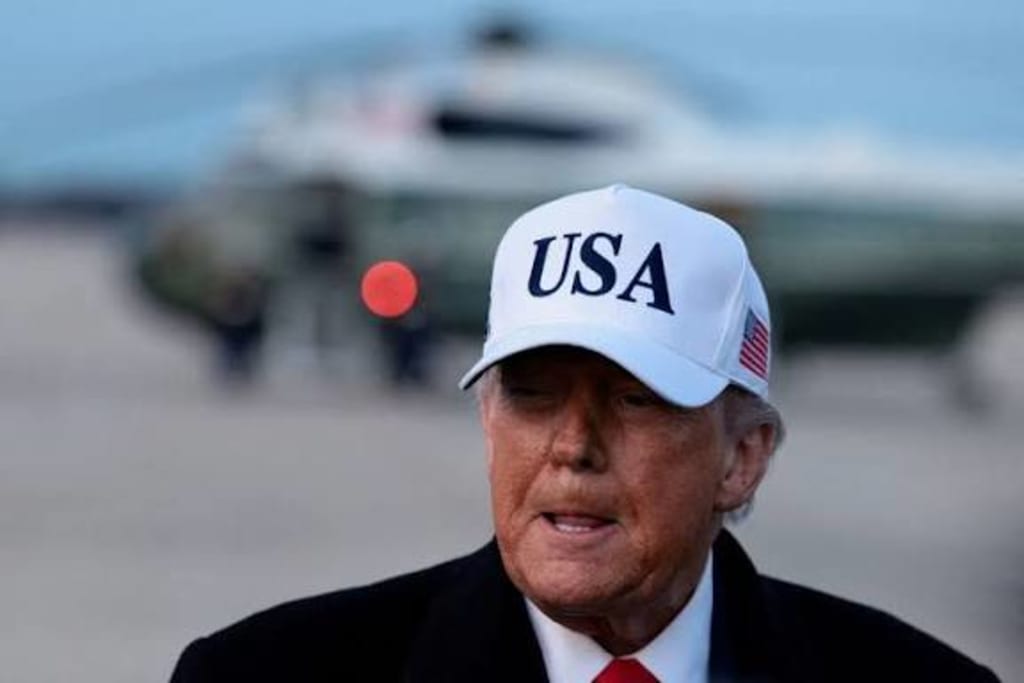
Why any decision to use force must navigate strategy, law, and unintended consequences
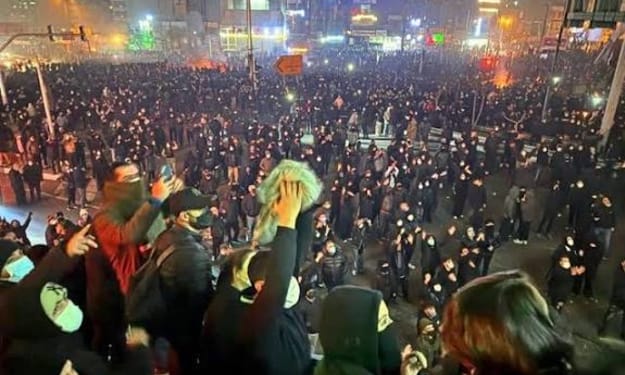
As tensions rise between the United States and Iran against the backdrop of sweeping protests and violent crackdowns inside Tehran, speculation has grown that U.S. President Donald Trump may order military action against Iran. Statements from the White House suggest Trump is prepared to consider “very strong options” that could include military force if Iran continues to violently suppress dissent or threatens U.S. interests abroad. Yet before any decision to strike, there are crucial questions that must be asked — and answered — about the risks, legality, and ultimate effectiveness of such action. �
The Guardian +1
1. What Is the Objective of a Strike?
Leaders contemplating military force must first define clear goals. Is the aim to deter Tehran from killing protesters, to degrade Iran’s missile or nuclear capabilities, or to instigate regime change? Without a specific goal, military action risks becoming an open‑ended conflict with no clear end point. Historical operations — such as the U.S.-Israeli strikes on Iranian nuclear sites — were narrowly framed around undermining nuclear infrastructure, not restructuring Iran’s political system. �
DAWN
If the objective is solely humanitarian — to protect demonstrators — policymakers must consider whether strikes would actually ease repression or instead strengthen the government’s narrative of foreign interference. If Iran’s leadership portrays foreign strikes as unprovoked aggression, it could unify segments of the population behind the regime, counteracting U.S. intentions.
2. Is Military Action Legal Under International Law?
Any military strike must withstand scrutiny under both U.S. constitutional law and the rules of international engagement. Under the U.S. Constitution’s Article II, the president has authority over the armed forces but does not have unlimited power to begin hostilities — especially if they escalate into war. There are legal interpretations suggesting that substantial military campaigns may require Congressional authorization, particularly if U.S. forces are at risk over a prolonged period. �
pbs.org
International law also matters. The United Nations Charter prohibits the use of force except in self‑defense or with Security Council approval. If a strike cannot be justified as immediate self‑defense — for example, if Iran has not attacked U.S. territory — then it could be viewed as a breach of international norms, with diplomatic fallout lasting decades. �
LinkedIn
3. What Are the Risks of Regional Escalation?
Iran’s military capabilities, including thousands of ballistic missiles and proxy forces across the Middle East, remain significant. A U.S. strike could prompt retaliation not just from Iran directly but through allied militias in Iraq, Syria, Yemen, and Lebanon. Even if Tehran’s leadership is internally weakened by protests, its military apparatus is capable of responding unpredictably.
Arab Gulf states, including Saudi Arabia, have publicly cautioned against military action, warning that it could destabilize regional security, disrupt global oil markets, and generate unintended chaos. �
wsj.com
4. How Would Civilian Populations Be Affected?
Proportionality and civilian protection are essential under the laws of armed conflict. Striking military targets in Iran — a country with civilian infrastructure and major urban areas — could result in significant noncombatant casualties if not carefully planned. The principles of proportionality under humanitarian law require that incidental loss of civilian life not be excessive relative to the anticipated military advantage. This calculation must be made before action is taken, not after. �
Just Security
If civilians are harmed, the humanitarian rationale for intervention collapses, turning international sympathy against the United States and potentially fueling further regional instability.
5. Are There Viable Alternatives to Military Action?
Before resorting to force, diplomatic or economic avenues must be fully explored. Reports suggest that calls for negotiations between the U.S. and Iranian officials remain on the table — though Trump has signalled a hardening position, the possibility of talks has not completely disappeared. �
Anadolu Ajansı
Economic pressure, such as tariffs on nations doing business with Iran, was already enacted by the U.S. as a way to isolate Tehran and increase leverage without resorting to violence. �
AP News
Non‑military options, including intensified sanctions, cyber operations against specific military assets, or diplomatic coalition building, should be weighed for their potential to achieve strategic objectives without broad conflict.
6. What Happens After the First Strike?
Perhaps most importantly, policymakers must consider what comes after the first bomb drops. Military action rarely ends conflicts; it often shifts them into new phases. An airstrike could provoke prolonged tit‑for‑tat responses from Iran or its proxies, draw in regional powers, and entangle the U.S. in years of instability. This was seen in other prolonged Middle Eastern conflicts where initial tactical strikes did not achieve strategic peace.
Conclusion — More Questions Than Answers
The choice to strike Iran is not one to be made lightly. Unlike a narrowly scoped unilateral missile attack on a specific target, a significant military operation against a sovereign nation involves deep legal, moral, strategic, and humanitarian considerations.
Before committing to force, Trump and his advisors must weigh what success looks like, how legitimacy will be maintained under international law, how to minimize civilian harm, and whether non‑military tools have been fully exhausted.
In the high‑stakes world of international geopolitics, military action may be one option — but whether it is the right one depends on answering these tough questions honestly, comprehensively, and with the long‑term interests of global stability in mind.
About the Creator
Keep reading
More stories from Fiazahmedbrohi and writers in The Swamp and other communities.
With Crackdown on Protests, Iran’s Government ‘Is Only Buying Time’
How violent repression may fail to stop the deeper crisis shaking the Islamic Republic Iran is once again at a critical juncture. What began as an outcry against economic hardship has grown into a sweeping nationwide protest movement challenging the authority of the Islamic Republic’s leadership. Rather than addressing the structural causes of public anger — spiralling inflation, currency collapse, and widespread frustration with corruption and mismanagement — the government has opted for a forceful crackdown. Yet analysts argue that this strategy may do little more than buy time for a regime under mounting pressure, rather than providing a lasting solution to the country’s deep crises. �
By Fiazahmedbrohi 2 days ago in The Swamp
Arsenal Take Step Toward Ending Semi-Final Nightmares – But Regrets Remain
For Arsenal, semi-finals have often represented a painful psychological barrier rather than a gateway to glory. Over the years, the club has suffered a series of near-misses in domestic and European competitions, creating a narrative of promise followed by disappointment. This time, however, Arsenal have taken a meaningful step toward breaking that cycle—though not without lingering regrets.
By Aarif Lashari13 minutes ago in The Swamp



Comments
There are no comments for this story
Be the first to respond and start the conversation.