
The message, reported by The Times of Israel, highlights growing regional concern over US deterrence and Iran’s actions
The message, reported by The Times of Israel, highlights growing regional concern over US deterrence and Iran’s actions
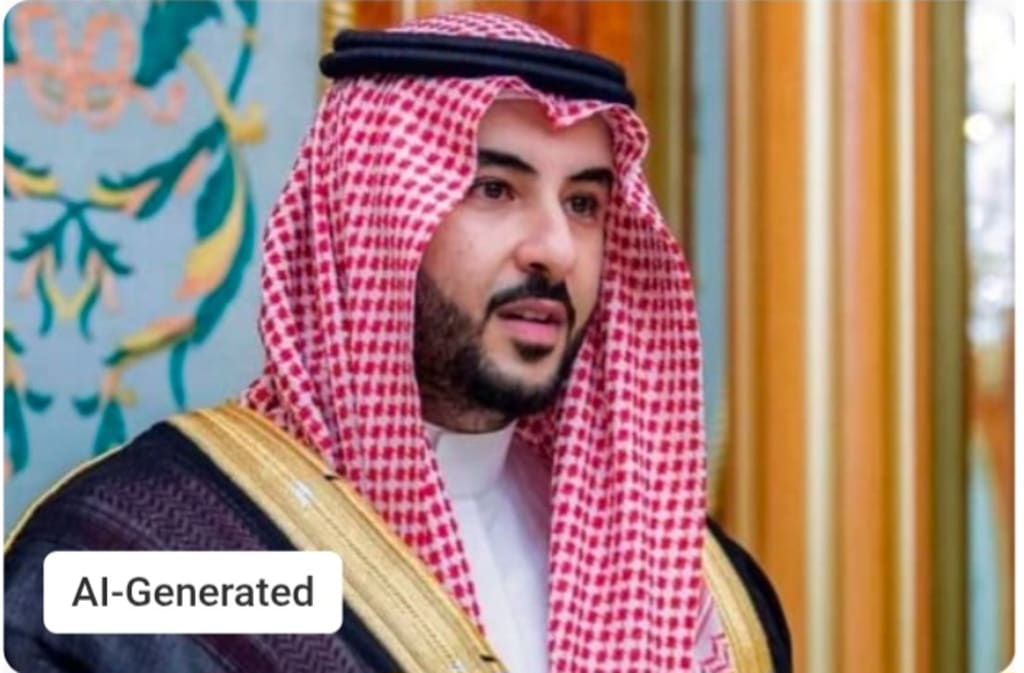
A recent message reported by The Times of Israel has reignited a long-standing debate in the Middle East: is the United States still a credible deterrent against Iran? Across the region, from Israel to the Gulf states, policymakers and security analysts are increasingly voicing concern that Washington’s warnings no longer carry the weight they once did. As Iran continues to expand its military footprint, support proxy groups, and advance its nuclear capabilities, doubts about American resolve are becoming harder to ignore.
For decades, U.S. deterrence served as a stabilizing—if imperfect—force in the Middle East. The implicit promise was clear: direct attacks on U.S. allies or major escalations would trigger meaningful consequences. Today, however, that promise appears blurred. Iran has repeatedly tested red lines through proxy attacks, maritime harassment, and missile launches, often without facing decisive retaliation. Each unanswered provocation chips away at the perception of American power.
At the heart of regional concern lies Iran’s sophisticated use of asymmetric warfare. Rather than engaging in direct confrontation, Tehran operates through a network of allied militias and armed groups across Lebanon, Syria, Iraq, and Yemen. Hezbollah, the Houthis, and various Iraqi militias provide Iran with strategic depth and plausible deniability. This model allows Tehran to pressure U.S. interests and allies while staying below the threshold of full-scale war.
Israel, in particular, views this trend with alarm. Iranian entrenchment in Syria and Hezbollah’s growing arsenal of precision-guided missiles represent existential threats. Israeli officials have repeatedly warned that the window for preventing Iran from achieving nuclear breakout capability is closing. Yet from Jerusalem’s perspective, Washington’s responses—diplomatic condemnations, limited strikes, or renewed calls for negotiations—appear insufficient to halt Iran’s momentum.
Gulf Arab states share similar anxieties. Saudi Arabia and the United Arab Emirates have experienced direct and indirect Iranian pressure, from attacks on oil infrastructure to drone and missile strikes launched by Iran-backed forces. While these countries maintain security partnerships with the United States, they are increasingly hedging their bets—pursuing dialogue with Tehran, diversifying defense suppliers, and strengthening ties with China and Russia. Such moves reflect a pragmatic calculation: reliance on U.S. protection alone may no longer be enough.
Iran, meanwhile, seems keenly aware of this shifting balance. Its leadership has learned that patience and persistence often pay off. By gradually escalating actions while avoiding dramatic provocations, Tehran tests limits without triggering overwhelming retaliation. The perception that the U.S. is reluctant to become entangled in another Middle Eastern conflict—especially amid global commitments in Europe and the Indo-Pacific—further emboldens Iranian strategy.
The nuclear issue adds another layer of complexity. Efforts to revive the Joint Comprehensive Plan of Action (JCPOA) have stalled, while Iran continues enriching uranium at levels far beyond civilian needs. Regional actors worry that a nuclear-threshold Iran would fundamentally alter the security landscape, constraining military options and emboldening Tehran’s regional ambitions. Even without a formal nuclear weapon, Iran’s growing technical capability already functions as a powerful deterrent in its own right.
From Washington’s perspective, the challenge is not simply about military action but credibility. Deterrence depends less on statements and more on consistent consequences. When attacks on U.S. forces or allies are met with restrained or symbolic responses, adversaries draw conclusions. Restoring deterrence would require a clearer strategy—one that aligns rhetoric with action and reassures partners that commitments are not conditional or temporary.
Yet escalation carries its own risks. A direct confrontation with Iran could spiral into a regional war, disrupting global energy markets and drawing in multiple actors. This reality partly explains U.S. caution. However, many regional leaders argue that ambiguity and restraint, while intended to prevent war, may instead invite greater instability by encouraging incremental aggression.
The message highlighted by The Times of Israel reflects a broader regional sentiment: uncertainty. Allies are unsure how far the United States is willing to go, while adversaries are increasingly confident in probing boundaries. In such an environment, miscalculation becomes more likely, and crises harder to contain.
Ultimately, the question facing the Middle East is not whether the United States remains powerful—it undeniably does—but whether it is perceived as willing to use that power decisively when core interests are challenged. Until that question is answered, Iran will continue to test limits, regional states will seek alternative security arrangements, and the fragile balance of deterrence will remain under strain.
In a region shaped by perceptions as much as realities, credibility is currency. Right now, many in the Middle East fear that America’s is steadily depreciating—and that the consequences may soon be felt by all.
About the Creator
Keep reading
More stories from Ayesha Lashari and writers in The Swamp and other communities.
Google Warns Millions of Android Phones Face Risk From New Malware
Google has issued a serious warning to Android users worldwide after discovering a new wave of malware capable of infecting millions of smartphones. The threat highlights growing security challenges in the mobile ecosystem and raises concerns about how easily everyday users can fall victim to cybercriminals without realizing it.
By Ayesha Lashariabout 17 hours ago in The Swamp
Why Black History Matters in America?
The United States of America is celebrating their 250th anniversary in 2026. I'm proud to be an American and as someone who was born here, I wouldn't imagine myself living anywhere else. This is a country where opportunities are possible. Where anyone can be successful in anything they desire to do. Equality, community, and togetherness are the backbones of what America is and should be about. However, we have an administration who wants to erase and disregard those who have made positive, meaningful impacts in our country, specifically Black figures, such as Martin Luther King, Jr., Rosa Parks, and Maya Angelou. President Trump and his administration have been constantly complaining and fighting against what they call the "Woke agenda". They use this excuse as a distraction from other issues they refuse to address, such as the high cost of living, climate change, and inflation. That equality is dividing America, when in reality, it's bringing us together. Being woke is not tied to a specific political party. No matter where you stand on the political spectrum, you can still care about other people and their plights. Compassion and empathy for others isn't tied to a political party, either. We were taught as children to treat others the way we want to be treated and not judge others because they're different from us. Caring about others isn't a personal attack on your beliefs. It doesn't make you any less of a person. People who are easily offended over African American figures, past or present, or anything related to it, are grasping at straws. Current and future generations need to know who people like Harriet Tubman and Shirley Chisholm were, especially in the classroom. Black History is part of American History. It should be recognized, not hidden or forgotten. Besides, you can't shield children from everything, just because your feelings are easily hurt.
By Mark Wesley Pritchard 4 days ago in The Swamp
Should We Not Try to Get Too Political?
Here's something you often hear people say, "I try not to get too political." I understand the sentiment and I sympathize with it... while at the same exact time, I completely disagree with the notion. Whether it's referring to social media or wherever, it's kind of unavoidable. You can attempt to sidestep it, not engage, leave the less important things for actual politicians to discuss... you can want it to not take over your life, your conversations, your relationships, and that makes perfect sense.
By Stephen Kramer Avitabileabout 21 hours ago in Writers


Comments
There are no comments for this story
Be the first to respond and start the conversation.