
‘The Damage Is Already There’: Controversial Airport Comes to Peru’s Sacred Valley
Development, Tourism, and Heritage Collide in One of the World’s Most Culturally Significant Landscapes
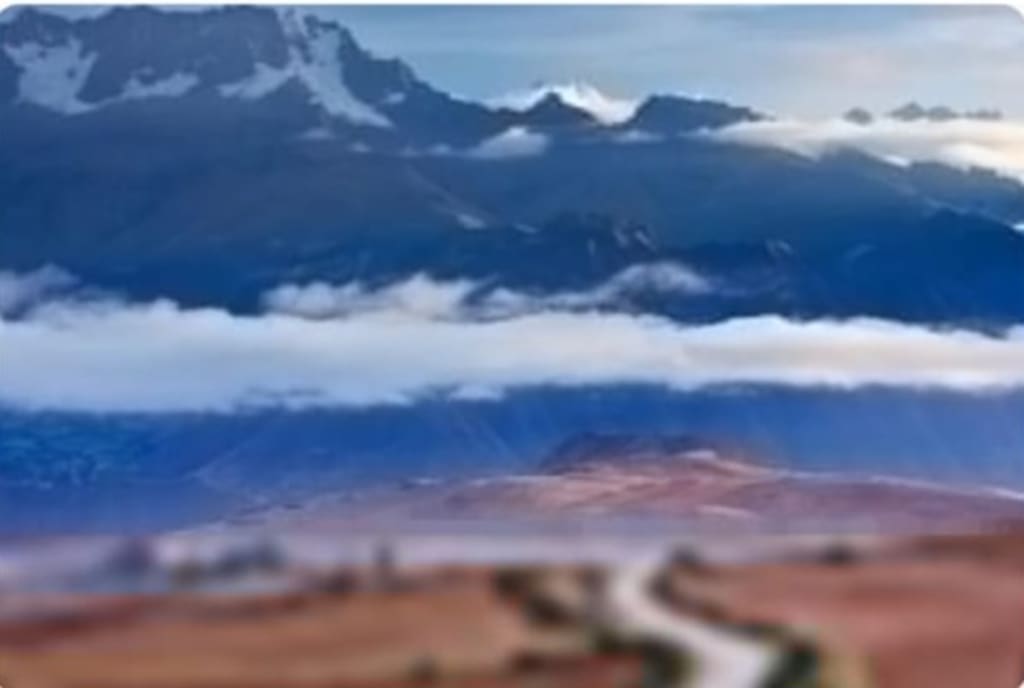
Peru’s Sacred Valley, a breathtaking Andean region once at the heart of the Inca Empire, has long stood as a symbol of living history. Terraced hillsides, ancient stone ruins, and traditional Quechua communities define a landscape that draws millions of visitors each year on their way to Machu Picchu. But today, the valley is at the center of a fierce national and international debate over a controversial new airport project — one that critics warn could permanently alter the region’s cultural and environmental fabric.
For supporters, the airport promises economic growth, improved connectivity, and a more accessible tourism industry. For opponents, it represents irreversible damage to a fragile ecosystem and a sacred cultural heritage site. As construction progresses, one phrase echoes among critics: “The damage is already there.”
A Gateway to Growth
The proposed international airport, located near the town of Chinchero in the Cusco region, is intended to replace or supplement Cusco’s existing Alejandro Velasco Astete Airport. The current airport, situated within the city itself, faces operational limitations due to short runways, mountainous terrain, and safety constraints. It can handle only a limited number of flights, particularly during poor weather conditions.
Government officials argue that a new, modern airport in the Sacred Valley will significantly boost tourism capacity, allowing direct international flights and reducing congestion in Cusco. Tourism is one of Peru’s most important economic sectors, contributing billions of dollars annually and providing employment to thousands of families.
Supporters contend that improved infrastructure is essential to maintaining Peru’s competitiveness as a global tourist destination. They argue that better access will stimulate regional development, increase investment, and create new opportunities for local communities.
A Sacred Landscape at Risk
Yet the Sacred Valley is far more than a tourism corridor. It is a deeply spiritual and historical landscape, central to Inca cosmology and still inhabited by Indigenous communities who maintain ancestral traditions. Archaeological sites are scattered across the region, many still undiscovered or insufficiently studied.
Critics worry that large-scale construction — including runways, terminals, roads, and associated urban expansion — threatens both known and undocumented archaeological remains. Environmentalists also warn of soil erosion, habitat disruption, and increased pollution in an area already under pressure from tourism.
The valley’s high-altitude wetlands and agricultural terraces are particularly vulnerable. Even minor ecological changes can have cascading effects in the Andes’ delicate mountain ecosystem.
Opponents argue that once heavy infrastructure transforms the landscape, restoration will be impossible. “The damage is already there,” some say, pointing to initial earthworks and land alterations that have permanently changed parts of the site.
The Tourism Paradox
Machu Picchu, one of the New Seven Wonders of the World, already faces concerns about overtourism. UNESCO has repeatedly warned about the risks of excessive visitor numbers on the ancient citadel and surrounding areas.
A new international airport capable of handling millions more passengers annually raises fears of intensified tourist flows without adequate preservation planning. While authorities have implemented visitor caps at Machu Picchu, critics argue that increasing transport capacity sends conflicting signals.
The paradox is clear: tourism funds conservation efforts and supports local livelihoods, but unchecked growth may degrade the very attractions that draw visitors in the first place.
Balancing access with preservation has become one of Peru’s most pressing challenges.
Indigenous Voices and Local Perspectives
Local opinion is divided. Some residents of Chinchero and nearby communities support the airport, hoping it will bring jobs, infrastructure improvements, and economic stability. In regions where poverty rates remain high, development projects can offer tangible benefits.
However, other Indigenous leaders express concern about land rights, consultation processes, and cultural preservation. They argue that meaningful dialogue with affected communities has not always met international standards for free, prior, and informed consent.
For many Quechua families, the land is not merely property — it is identity, ancestry, and spirituality. Development decisions therefore carry profound emotional and cultural weight.
The debate highlights broader tensions between national economic priorities and Indigenous self-determination.
Environmental Concerns
Environmental impact assessments have been conducted, but critics question their thoroughness and long-term projections. Airports are complex ecosystems in themselves, generating noise pollution, carbon emissions, and increased traffic.
In a high-altitude valley surrounded by mountains, air circulation patterns can intensify pollution effects. Wildlife habitats may be fragmented by roads and construction activity.
Climate change adds another layer of complexity. The Andes are already experiencing glacial retreat and shifting rainfall patterns. Large infrastructure projects must account for long-term environmental resilience — a factor that some experts believe requires deeper scrutiny.
Proponents counter that modern engineering techniques and regulatory oversight can mitigate environmental damage. They argue that infrastructure can coexist with conservation if properly managed.
Economic Stakes and Political Will
The airport project has faced delays, renegotiations, and political controversy over the years. Shifting administrations have alternately accelerated and reconsidered the project, reflecting broader political instability in Peru.
Nevertheless, the economic argument remains powerful. Regional leaders see the airport as a catalyst for development beyond tourism, including trade and investment. Improved connectivity could strengthen Cusco’s integration into national and international markets.
In a country seeking economic recovery and diversification, large-scale infrastructure projects carry symbolic and practical significance.
Yet critics caution that economic gains must be weighed against long-term cultural and environmental costs. Once a sacred landscape is altered, its intangible value cannot be quantified in financial terms.
Heritage Versus Modernity
The controversy over the Sacred Valley airport reflects a global dilemma: how to pursue modernization without sacrificing heritage. From ancient cities in Europe to archaeological treasures in Asia, governments worldwide face similar choices.
Infrastructure can uplift communities, but it can also erode irreplaceable history. The challenge lies not in rejecting development outright, but in redefining it responsibly.
In Peru’s case, some experts have proposed alternative solutions, such as upgrading existing facilities or enhancing rail connectivity instead of building a new airport in a sensitive zone. Others suggest stricter tourism management systems to reduce pressure on the valley.
The debate ultimately centers on values — what a nation chooses to prioritize and how it defines progress.
Conclusion
Peru’s Sacred Valley stands at a crossroads between economic ambition and cultural preservation. The new airport promises growth, opportunity, and global connectivity. But it also raises urgent questions about environmental stewardship, Indigenous rights, and the safeguarding of world heritage.
“The damage is already there,” critics warn, suggesting that certain losses cannot be undone. Supporters, meanwhile, argue that responsible development can bring prosperity without destroying identity.
As construction advances and discussions continue, Peru must navigate a delicate path. The decisions made today will shape not only the valley’s landscape, but also the legacy left for future generations.
In a place where history is etched into stone and mountains hold centuries of memory, the stakes could not be higher.
About the Creator
Keep reading
More stories from Ayesha Lashari and writers in The Swamp and other communities.
‘We’re Being Turned Into an Energy Colony’: Argentina’s Nuclear Plan Faces Backlash Over US Interests
Argentina’s renewed push to expand its nuclear energy program has ignited a heated national debate — not just about power generation, but about sovereignty, foreign influence, and the country’s long-term economic future. Critics argue that recent agreements and negotiations tied to international partnerships, particularly those involving US interests, risk turning Argentina into what some activists describe as an “energy colony.” Supporters, however, see the nuclear plan as a pragmatic path toward energy independence, industrial revival, and climate resilience.
By Ayesha Lashari2 days ago in The Swamp
The Saddest Thing - The Billionaires Who Rule America Aren't Even Enjoying Themselves
This single post says more about our ruling class than a thousand policy papers. The saddest thing about today's system is that the men robbing the rest of us - sabotaging our economic prospects, our pensions, our access to affordable healthcare - are not even happy.
By Scott Christenson🌴6 days ago in The Swamp


Comments
There are no comments for this story
Be the first to respond and start the conversation.