
Thailand Launches Airstrikes at Cambodia as Border Tensions Reignite
A Sudden Escalation Raises Fears of Wider Conflict in Southeast Asia

Introduction
A new wave of conflict has erupted in Southeast Asia as Thailand launched airstrikes on Cambodian territory following renewed border tensions. The sudden escalation has captured global attention, raising concerns about regional stability, humanitarian risks, and the potential involvement of international actors. While Thailand and Cambodia have a long and complex history marked by disputes over land and cultural heritage, this latest clash highlights how fragile peace in the region truly is.
In this Vocal Media–style article, we break down what happened, why tensions reignited, and what the international community is watching for next.
A Conflict Rooted in History
For decades, the Thailand–Cambodia border has been a flashpoint for conflict. The dispute famously intensified around the Preah Vihear Temple, a UNESCO World Heritage Site situated on a cliff along the border. While the International Court of Justice ruled in Cambodia’s favor in 1962 and reaffirmed its position in 2013, mistrust and military standoffs have continued.
Skirmishes in 2008, 2011, and 2013 left soldiers and civilians dead, displacing thousands. Though both nations signed ceasefire agreements and pledged cooperation, underlying tensions never fully disappeared. The recent airstrikes demonstrate just how quickly unresolved issues can spiral.
What Sparked the Latest Escalation?
According to initial regional reports, the confrontation began when Cambodian border forces were accused of advancing into disputed territory near the northern border. Thailand responded by deploying ground troops and issuing warnings. However, the situation rapidly escalated when Thai officials claimed Cambodian artillery fire targeted Thai forward operating bases.
Within hours, Thailand launched a series of airstrikes aimed at what it described as “militant positions.” Cambodia rejected these claims, instead accusing Thailand of violating sovereignty, endangering civilians, and acting without provocation.
With both countries presenting conflicting narratives, verifying what happened on the ground remains difficult. However, analysts point out that both governments have faced internal pressures, and border disputes are often used politically to rally nationalist sentiment.
Humanitarian Concerns Rise
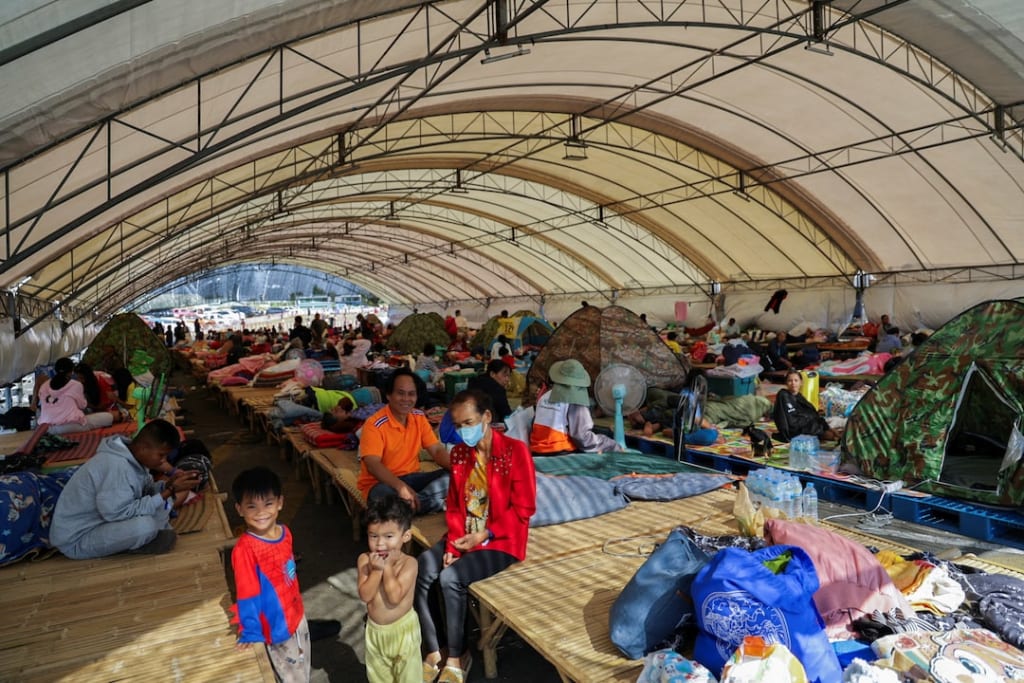
The escalation has already forced hundreds of families in border villages to flee. Local aid groups report shortages of shelter, clean water, and medical supplies as civilians rush away from the conflict zone.
Schools and health centers on both sides of the border have been temporarily closed, while emergency services attempt to relocate vulnerable communities.
Humanitarian organizations warn that if fighting continues, the number of displaced people could grow significantly. The region’s rugged terrain, limited infrastructure, and proximity to landmine zones left over from past conflicts pose additional dangers.
Regional Governments Call for Restraint
The Association of Southeast Asian Nations (ASEAN) has expressed "deep concern" and urged both countries to de-escalate immediately. While ASEAN traditionally avoids taking sides in member disputes, the organization is under pressure to play a stronger role due to the potential for wider instability.
Indonesia, currently a leading diplomatic voice within ASEAN, has offered to mediate talks. Other neighbors, including Vietnam and Laos, fear that prolonged conflict could disrupt trade routes, foreign investment, and tourism—key pillars of Southeast Asian economies.
China and the United States, both influential in the region, have also called for restraint. With increasing geopolitical competition between the two powers, analysts warn that any instability could carry broader global implications.
Military Capabilities: A Dangerous Balance
Thailand and Cambodia have both modernized their militaries over the past decade. Thailand possesses a stronger air force, which was demonstrated in the recent airstrikes, while Cambodia has invested heavily in ground forces and Chinese-built military technology.
While neither nation is seeking a full-scale conflict, miscalculations are always a risk. Border disputes can escalate unpredictably, especially when local commanders act independently or communication breaks down.
Defense experts emphasize that even short-term exchanges of fire can cause significant casualties and long-term distrust, making negotiations harder.
International Reaction and Next Steps
The United Nations has urged both sides to return to diplomatic discussions. Proposed actions include:
A joint fact-finding mission
Temporary demilitarization of disputed zones
Increased observer presence to prevent misunderstandings
Confidence-building measures between military commanders
Whether these efforts succeed will depend on political will in Bangkok and Phnom Penh. With both governments facing internal political dynamics, finding common ground may not be easy.
Why This Conflict Matters
Beyond the immediate danger, the renewed Thailand–Cambodia tensions highlight broader issues:
Unresolved territorial disputes across Southeast Asia remain potential flashpoints.
Rising nationalism can quickly turn border disagreements into military confrontations.
Economic stability in the region depends on peace, tourism, and cross-border trade.
Humanitarian risks grow rapidly when civilians are caught in conflict zones.
For the international community, the situation serves as a reminder that even in relatively peaceful regions, historic grievances can reignite with little warning.
Conclusion
Thailand’s airstrikes on Cambodia mark one of the most serious escalations between the two nations in years. As the world watches closely, diplomatic pressure is building to bring both sides back to the negotiating table before the situation worsens. With countless lives, regional stability, and long-standing peace at stake, the coming days will be crucial.
If both countries choose diplomacy over conflict, this tense moment could become an opportunity to finally address unresolved disputes. But if hostilities continue, Southeast Asia may face a conflict with far-reaching consequences.
About the Creator
Asad Ali
I'm Asad Ali, a passionate blogger with 3 years of experience creating engaging and informative content across various niches. I specialize in crafting SEO-friendly articles that drive traffic and deliver value to readers.
Historic Meeting in Caracas: CIA Director and Venezuela’s New Leader Discuss Future Cooperation
In a rare and highly significant diplomatic engagement, CIA Director John Ratcliffe traveled to Caracas, Venezuela, for a two-hour meeting with the country’s interim president, Delcy Rodríguez. The encounter — held on Thursday and confirmed by multiple international media outlets — marks the highest-level dialogue between the United States and Venezuelan leadership since the recent political upheaval in the country. �
By Ayesha Lashariabout 23 hours ago in The Swamp




Comments
There are no comments for this story
Be the first to respond and start the conversation.