
Thai PM Dissolves Parliament to “Return Power to People
Political deadlock and border tensions push Thailand toward early elections as the prime minister seeks a democratic reset.

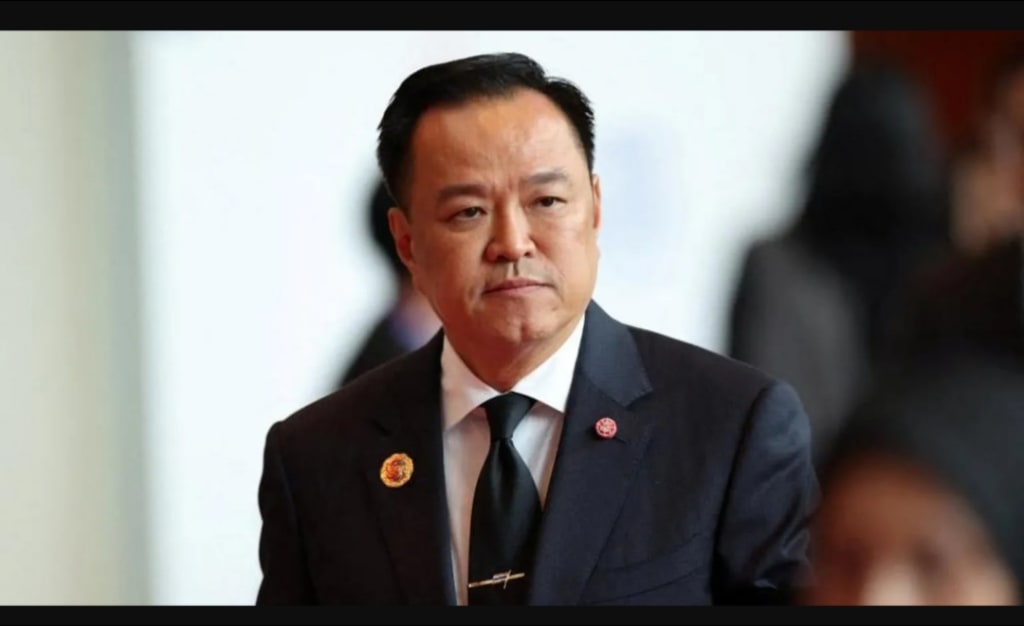
Thailand’s political landscape took a dramatic turn this week when Prime Minister Anutin Charnvirakul announced the dissolution of the country’s House of Representatives. The move, which he framed as an effort to “return power to the people,” sets the stage for early general elections, expected to take place within 45 to 60 days once the king signs the royal decree.
This decision comes amid growing parliamentary tensions and rising border conflicts with Cambodia, highlighting the intricate balance between domestic politics and regional security.
Why the Dissolution Happened
On December 11, 2025, Anutin submitted the request to dissolve parliament, which was promptly approved by King Maha Vajiralongkorn and published in the Royal Gazette. The prime minister made it clear on social media that this step was intended to empower the people through fresh elections.
Under Thai law, dissolving parliament triggers early elections while the government continues as a caretaker administration. This caretaker government has limited powers and cannot approve a new national budget but can oversee day-to-day operations until a new legislature is elected.
Political Gridlock and Coalition Strains
Anutin’s decision follows months of tension with the People’s Party, the largest parliamentary grouping. Initial agreements within the coalition included expectations around constitutional reforms, particularly concerning the Senate’s role in approving legislation.
However, negotiations stalled, prompting the opposition to threaten a no-confidence vote against Anutin’s government. Facing the possibility of parliamentary defeat, the prime minister opted for dissolution — a strategic move to reset the political process and avoid a protracted standoff.
A government spokesman explained: “This happened because we can’t go forward in parliament,” highlighting the legislative paralysis that made early elections seem like the best path forward.
Border Tensions and Security Challenges
Thailand’s political upheaval coincides with renewed border clashes with Cambodia, which have already resulted in casualties and mass displacement. Artillery exchanges along the border have claimed at least 20 lives, with hundreds more injured and thousands displaced.
Despite this, Anutin assured citizens that military operations would continue uninterrupted, emphasizing that national security remains a top priority even as elections approach.
Economic Pressures and Public Sentiment
Thailand’s economy is under stress, with challenges including high household debt, sluggish consumption, and trade pressures. Economic uncertainty has contributed to public frustration, making stable governance an urgent priority for both policymakers and voters.
By calling early elections, Anutin aims to address not just political gridlock but also the growing demand from citizens for effective leadership capable of managing both domestic and regional challenges.
What This Means for Anutin’s Leadership
Anutin Charnvirakul became Thailand’s third prime minister since August 2023, following court decisions that removed previous leaders. His coalition government relied on fragile alliances, including support from the People’s Party, which had stipulated a dissolution within four months as part of earlier agreements.
By dissolving parliament ahead of schedule, Anutin has reset the political timeline, bringing forward elections that could be held as soon as late January or early February 2026. While he presents the move as a democratic reset, critics argue it is also a calculated effort to manage political risk and avoid a no-confidence vote.
The Road Ahead: Early Elections and Public Choice
Thailand now faces a critical period. Early elections will test voter sentiment amid security concerns, economic challenges, and political fatigue. Key questions for the upcoming polls include:
Will opposition parties regain influence?
Can Anutin’s coalition secure a stable majority?
How will ongoing border tensions affect voter priorities?
The prime minister’s promise to “return power to the people” will be put to the test, not just at the ballot box but in Thailand’s ability to navigate political instability while ensuring peace and stability in the region.
About the Creator
Asad Ali
I'm Asad Ali, a passionate blogger with 3 years of experience creating engaging and informative content across various niches. I specialize in crafting SEO-friendly articles that drive traffic and deliver value to readers.
A Gathering of Evil Bosses
“I’m the queen of chin jutting while I smooth my hair, attacking, insulting, and deflecting to protect my appointer.” “Oh, please, Blondi, my hair is curled, highlighted, and longer than yours. I feature television commercials telling immigrants that we will give them a free plane ride home, and if they voluntarily turn themselves in, they will be allowed to legally apply for re-entry. It runs everywhere, and I look good in it! You can’t compete because of your blond hair. Mine is nicer, and my lips are prettier than yours.”
By Andrea Corwin 23 days ago in The Swamp




Comments
There are no comments for this story
Be the first to respond and start the conversation.