
Trump Talks Ukraine Peace Deal with Macron, Merz and Starmer: A Critical Moment
Western Leaders Engage in Urgent Talks to Forge a Diplomatic Path for Ukraine Amid Ongoing Conflict.

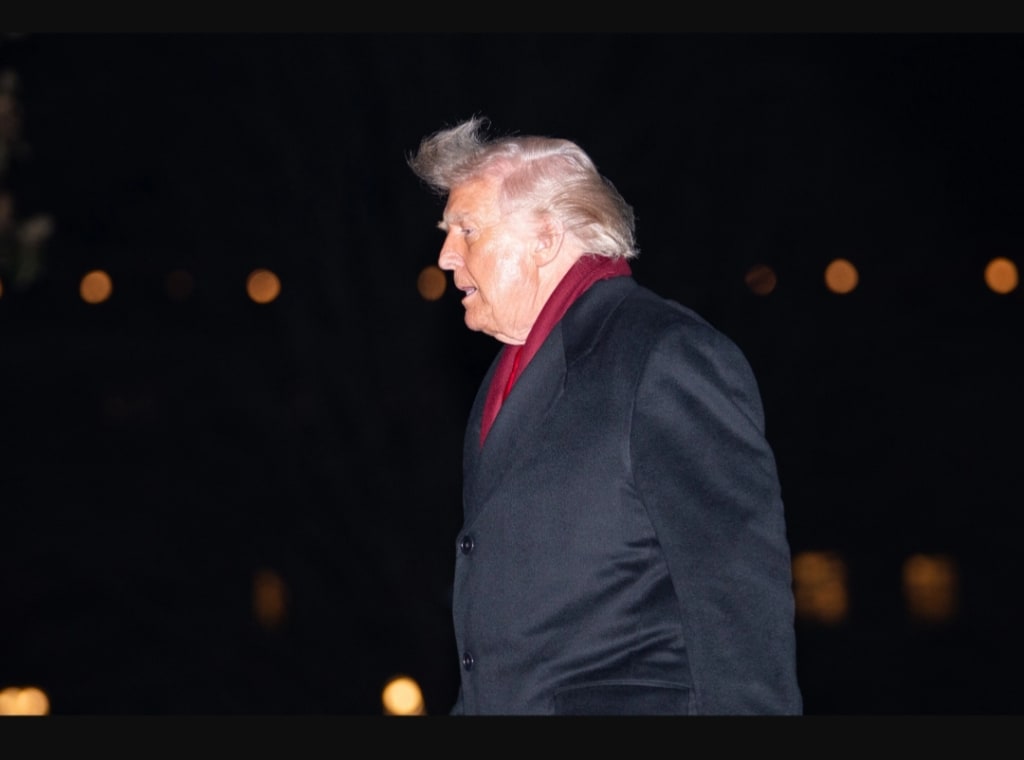
In a high-profile phone call that has drawn attention across the globe, Donald Trump, French President Emmanuel Macron, German Chancellor Friedrich Merz, and British Prime Minister Keir Starmer discussed potential steps toward a peace settlement for Ukraine. The conversation comes amid growing concern over the ongoing conflict between Russia and Ukraine, which has lasted nearly four years and left millions displaced, thousands dead, and Europe facing economic and security challenges.
The talks mark a rare alignment among top Western leaders, reflecting the urgency of diplomacy as the conflict shows no sign of ending without a negotiated settlement.
A Meeting of Global Heavyweights
The phone call brought together some of the most influential Western leaders in recent years. According to sources, the leaders agreed to continue “intensive work” on a peace plan in the coming days, signaling that both the United States and Europe are actively seeking a diplomatic resolution.
For Europe, the Ukraine war is more than a humanitarian crisis; it is a strategic challenge that affects the continent’s security and future stability. Macron, Merz, and Starmer emphasized the importance of transatlantic unity, highlighting the need for coordinated security guarantees and a shared vision for a post-war Europe. This alignment underscores how critical cooperation between the U.S. and Europe is in achieving lasting peace.
The Core Issues: Territory and Security
At the center of the discussions are two fundamental questions: territorial control and security guarantees. Ukraine has submitted a revised 20-point peace framework to Washington, calling for full recognition of its internationally recognized borders, along with commitments for post-war reconstruction and economic support.
Yet, some of the U.S.-proposed compromises have raised concerns. Ideas such as creating “free economic zones” in parts of Donbas or establishing demilitarized territories aim to balance Russian demands with Ukraine’s sovereignty. Kyiv, however, insists that any territorial settlement must involve the Ukrainian people, likely through democratic processes such as referendums.
European leaders have stressed the importance of Ukraine’s active involvement in all negotiations. Chancellor Merz has offered to host further talks in Berlin to ensure Europe remains a central actor in the peace process. This approach may lead to joint negotiation sessions between the U.S. and European capitals in the near future.
Points of Discord
Despite general agreement on the goal of peace, tensions surfaced during the conversation. Reports indicate that President Trump exchanged “strong words” with European leaders over the timing and structure of upcoming negotiations. Europe proposed a face-to-face summit, which Trump said the U.S. would consider depending on developments in the coming days.
While some observers interpreted this as a sign of discord, German officials were quick to clarify that discussions remained constructive and focused on substance. There is no fundamental rift; rather, the negotiations reflect the complexities of coordinating a multinational approach to such a sensitive conflict.
Starmer’s Diplomatic Balance
For British Prime Minister Keir Starmer, the challenge has been to ensure that any peace plan is just, lasting, and respects Ukraine’s sovereignty. Starmer has emphasized that the goal is not just a temporary ceasefire but a settlement that provides security guarantees and deterrence against future aggression.
His approach underlines the broader concern in Western capitals: any agreement must prevent the conflict from reigniting in the future. Coordinated action between the U.S. and Europe is therefore essential to ensure the durability of any peace settlement.
Looking Ahead
The Ukraine conflict remains at a fragile crossroads. High-level engagement among Trump, Macron, Merz, and Starmer signals a genuine desire to pursue peace, but several challenges remain unresolved. Questions surrounding territory, security arrangements, and the role of international actors continue to dominate the diplomatic landscape.
The coming days will be crucial. Proposed meetings and negotiations could define not only the future of Ukraine but also the strength of transatlantic cooperation in the 21st century. For the global community, the hope is clear: a durable, negotiated peace that saves lives, rebuilds trust, and stabilizes a region scarred by years of war. Yet, as history has shown, the road to peace is rarely straightforward.
About the Creator
Asad Ali
I'm Asad Ali, a passionate blogger with 3 years of experience creating engaging and informative content across various niches. I specialize in crafting SEO-friendly articles that drive traffic and deliver value to readers.
The Forsyth House Fire
Since 1851, Forsyth House has stood on the corner of Union Street and Gordon Street in the heart of Glasgow. Its iconic, or was... because on Sunday 8th of March, 2026, a fire broke out in a small, seemingly un-named shop in the building and tore all that history down. As I write, the rubble is still unsettled and the street is still blocked off. Central Station is quiet on the upper level, and around 30 small businesses have quite literally gone up in smoke.
By S. A. Crawford3 days ago in The Swamp
Germans Protest Against Russia on Paralympic Podium
During a medal ceremony at the 2026 Winter Paralympic Games in Milano‑Cortina, Italy, two German cross‑country skiers made a quiet but powerful political statement by turning their backs on Russian gold medalists as the Russian national anthem played on the podium. Their action highlighted deep tensions surrounding the controversial decision to allow Russian athletes to compete under their own flag and with their national symbols for the first time in over a decade. The protest occurred after Russian skier Anastasiia Bagiian and her guide Sergei Siniakin won gold in the women’s sprint classic for vision‑impaired athletes. As the anthem began, German silver medalist Linn Kazmaier and her guide Florian Baumann turned away from the Russian victors, visibly distancing themselves during the podium protocol. Kazmaier explained to German media that their decision was not personal toward the Russian athletes, whom they don’t know, but rather a response to the broader political context. “That it is so totally overshadowed by politics is simply a complete shame,” she said, noting they kept their hats on and refused to face the flag as a sign of protest. This moment reflects wider controversy at the Paralympics over the inclusion of athletes from Russia and Belarus under their own flags and anthems — a departure from bans imposed after Russia’s state‑sponsored doping scandal and subsequent sanctions following its 2022 invasion of Ukraine. Previously, Russian athletes had been barred or required to compete under neutral status; however, the International Paralympic Committee (IPC) lifted those restrictions in late 2025, prompting protests and boycotts. Ahead of the Games, several countries, including Germany, joined a boycott of the opening ceremony in protest of Russia and Belarus being allowed full national representation. Eleven countries along with the European Union chose not to participate in the event as a symbolic stand against the IPC’s decision, although they remained committed to competing in the sporting events themselves. The sight of German athletes turning away on the podium added another layer to that protest, occurring in the midst of competition rather than before it. Baumann emphasized that their gesture was about solidarity with Ukrainian athletes and opposition to what they saw as a decision that diminishes the integrity of international sport. “It’s not about the Russian athletes themselves… but the IPC’s decision to have Russia here under its own flag… while the Ukrainians are also here is simply not correct,” he said. The restart of Russia’s full national presence at the Paralympics represents a significant shift. Russia won its first gold medal at the Winter Paralympics under its own flag since 2014 at these Games, a moment marked by the playing of the Russian national anthem on the podium — a sight not seen at the Paralympics in many years. While the Moscow Times and other outlets celebrated this return, it sparked backlash elsewhere in the Paralympic community and among fans and officials alike. Critics argue that allowing full national symbols validates Russia’s sporting presence despite ongoing geopolitical conflicts and human rights concerns. Supporters of the IPC’s decision counter that excluding athletes penalizes individuals for the actions of their governments. This debate mirrors broader clashes in sport over whether and how to isolate nations during political crises without unfairly impacting athletes. The German protest also echoes a more general trend of political statements at international sporting events. In recent years, athletes and teams have used their platforms to draw attention to global conflicts and social issues, from kneeling protests to symbolic gestures that reverberate well beyond the field of play. The Paralympics, which celebrates courage, resilience and inclusion, has not been immune to these broader tensions. Despite the symbolism, German athlete Kazmaier acknowledged the complexity of the situation, noting that she and her guide could personally have respect for individuals from other nations while still disagreeing with broader political decisions. “Perhaps they are really nice people, whom we could be friends with,” she said, underscoring the distinction between individuals and the political systems they represent. As the Milano‑Cortina Games continue, similar moments may arise, especially as athletes from different countries confront the emotional and political realities tied to the Russian presence. The episode on the podium serves as a reminder that international sport often intersects with global affairs, and that even events meant to bring people together can reflect the fractures of the wider world.
By Fiaz Ahmed 5 days ago in The Swamp



Comments
There are no comments for this story
Be the first to respond and start the conversation.