
Textile Exports Rise 1.25% to $10.9 Billion in July–January FY26
Modest growth signals resilience amid global uncertainty, but structural reforms remain critical for long-term competitiveness
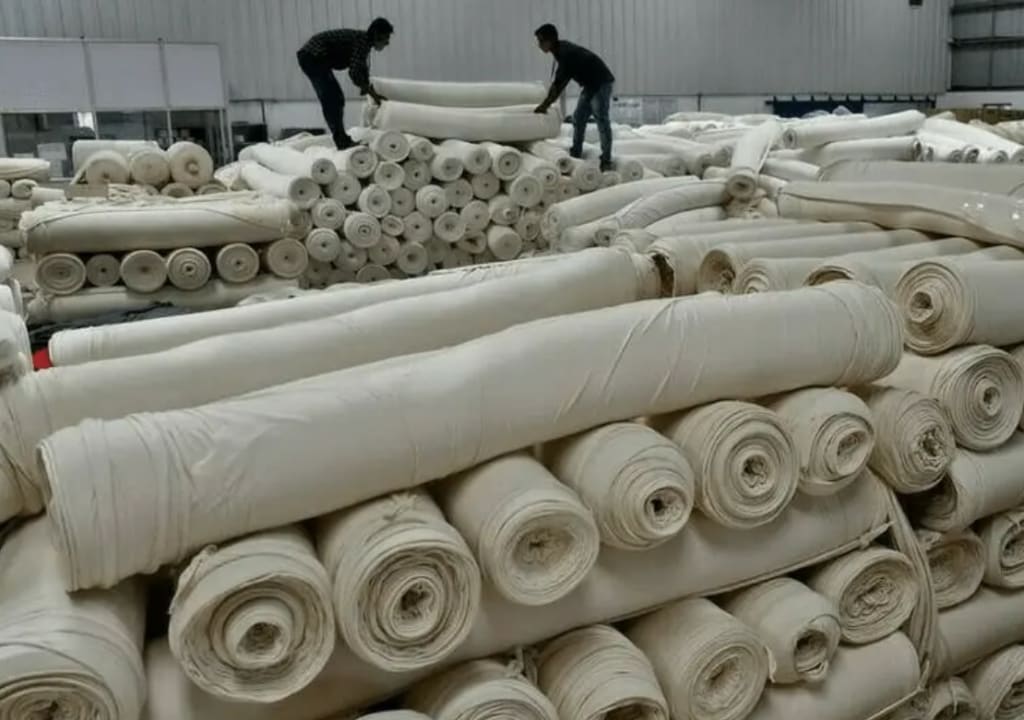
The textile sector — often called the backbone of many developing economies — has posted a modest yet encouraging performance in the first seven months of FY26. Exports increased by 1.25% to reach $10.9 billion during July–January, compared to the same period last fiscal year.
At first glance, a 1.25% rise may appear minor. But in the current global economic climate — marked by slow demand, inflationary pressures, supply chain disruptions, and geopolitical tensions — even incremental growth reflects resilience. For a sector that directly and indirectly employs millions, this uptick provides cautious optimism.
Yet behind the numbers lies a more complex story: a struggle between rising costs and global competition, modernization efforts and outdated infrastructure, opportunity and vulnerability.
Breaking Down the Numbers
The $10.9 billion export figure represents shipments of various textile categories, including:
Readymade garments
Knitwear
Bed wear
Cotton yarn
Towels
Value-added apparel
Value-added segments such as garments and knitwear continued to perform relatively better compared to raw textile exports like cotton yarn. This shift indicates gradual progress toward higher-margin products — a long-standing goal for industry stakeholders.
However, global demand remains uneven. Western markets, especially in North America and Europe, are still adjusting to post-pandemic consumer behavior. Retailers are cautious with inventory, and buyers are negotiating aggressively on pricing.
In such a climate, maintaining even slight growth reflects competitive adaptability.
Global Headwinds and Industry Pressures
The global textile market is highly competitive. Countries such as China, Bangladesh, Vietnam, and India dominate global apparel exports.
Each competitor brings different advantages:
China offers scale and integrated supply chains.
Bangladesh benefits from low labor costs and trade preferences.
Vietnam has strong trade agreements with Western economies.
India combines raw material access with expanding manufacturing capacity.
To remain competitive, exporters must navigate rising energy costs, currency fluctuations, and increased compliance requirements related to sustainability and labor standards.
Energy pricing remains a critical concern. Textile production is energy-intensive, and inconsistent or expensive electricity directly affects profit margins. Many manufacturers argue that without stable energy policies, maintaining export momentum will remain difficult.
The Shift Toward Value Addition
One positive trend in FY26 is the steady contribution of value-added products. Rather than exporting raw cotton or yarn, more manufacturers are focusing on finished garments and branded apparel.
Value addition allows:
Higher export earnings per unit
Stronger brand positioning
Greater resilience against commodity price swings
Global buyers increasingly demand sustainability certifications, traceable supply chains, and environmentally friendly manufacturing processes. Companies investing in modern machinery and eco-compliant production facilities are better positioned to secure long-term contracts.
However, modernization requires capital — and access to affordable financing remains uneven across the sector.
Employment and Economic Impact
The textile industry is one of the largest employers in many emerging economies. Millions of workers depend on it for their livelihoods, particularly women in garment manufacturing roles.
Even a small export increase can have ripple effects:
Job retention in factories
Stable wages in industrial zones
Stronger foreign exchange reserves
Reduced pressure on trade deficits
Foreign exchange earnings from textiles play a vital role in stabilizing national currencies. With global financial markets volatile, export stability becomes even more critical.
Still, experts caution that relying too heavily on one sector can create vulnerability. Diversification into technology, services, and other manufacturing segments remains essential for broader economic stability.
Sustainability and ESG Pressures
International buyers are no longer focused solely on price. Environmental, Social, and Governance (ESG) standards are increasingly central to trade relationships.
Retail brands in Europe and North America demand:
Reduced carbon emissions
Water-efficient dyeing processes
Ethical labor practices
Transparent supply chains
Factories that fail to meet these standards risk losing contracts.
The push toward sustainability is both a challenge and an opportunity. While compliance costs money, it also opens doors to premium markets willing to pay more for responsibly produced goods.
Governments and industry associations are encouraging green financing initiatives and technology upgrades to meet these global benchmarks.
Currency and Policy Dynamics
Exchange rates play a significant role in export competitiveness. A weaker domestic currency can make exports cheaper internationally, boosting demand. However, it also raises the cost of imported machinery and raw materials.
Policy consistency is another crucial factor. Export incentives, tax rebates, and duty drawbacks can significantly influence profitability. Delays in rebate payments often strain manufacturers’ cash flow, especially small and medium enterprises.
Industry leaders argue that long-term policy clarity is more important than short-term incentives. Investors and international buyers prefer stable, predictable regulatory environments.
Challenges Ahead
Despite the 1.25% growth, the road ahead remains uncertain.
Key challenges include:
Sluggish global retail demand
High production costs
Limited technological innovation in smaller factories
Infrastructure bottlenecks
Climate-related disruptions affecting cotton crops
Extreme weather patterns, including floods and heatwaves, have impacted cotton production in recent years. Supply instability can increase input costs and reduce competitiveness.
Moreover, automation is transforming global manufacturing. Countries investing heavily in robotics and digital supply chains may gain an edge in productivity and efficiency.
The Path Forward
To sustain and accelerate export growth beyond 1.25%, coordinated efforts are needed.
1. Investment in Technology
Modern looms, automated cutting machines, and AI-driven inventory systems can increase efficiency and reduce waste.
2. Energy Sector Reform
Affordable and reliable energy remains a cornerstone for competitive manufacturing.
3. Skills Development
Training workers in advanced manufacturing techniques and quality control improves productivity and product standards.
4. Market Diversification
Expanding into emerging markets in Africa, the Middle East, and Southeast Asia can reduce reliance on traditional Western buyers.
5. Branding and Innovation
Moving from contract manufacturing to brand development can unlock higher profit margins.
A Measured but Meaningful Gain
The 1.25% rise to $10.9 billion is not a dramatic surge — but it is a signal of endurance.
In a turbulent global economy, stability itself is an achievement. The textile sector has shown it can adapt, even if slowly. The next challenge is turning modest resilience into sustained expansion.
If structural reforms align with global market trends, the industry could transition from incremental growth to transformative progress.
For now, the message is clear: amid headwinds, the textile engine is still running — and with the right fuel, it could accelerate further.
About the Creator
The Saddest Thing - The Billionaires Who Rule America Aren't Even Enjoying Themselves
This single post says more about our ruling class than a thousand policy papers. The saddest thing about today's system is that the men robbing the rest of us - sabotaging our economic prospects, our pensions, our access to affordable healthcare - are not even happy.
By Scott Christenson🌴12 days ago in The Swamp
Denmark and Canada Ink New Defense Cooperation Agreement
Denmark and Canada have signed a new defense cooperation agreement aimed at strengthening military collaboration, enhancing joint training, and reinforcing security across the Arctic and North Atlantic regions. The pact reflects growing concern among Western allies about emerging geopolitical challenges and the need for closer coordination between like-minded nations. The agreement was formally announced in Copenhagen following high-level talks between defense officials from Denmark and Canada. Officials described the deal as a “strategic partnership framework” that will expand cooperation in areas including maritime security, intelligence sharing, cyber defense, and joint military exercises. Strengthening Arctic Security A central focus of the agreement is the Arctic, where melting ice and increased shipping activity have heightened strategic competition. Both Denmark and Canada are Arctic nations with long coastlines and responsibility for vast northern territories. Officials said the pact would improve surveillance, search-and-rescue capabilities, and coordination in responding to emergencies or security threats in the region. “The Arctic is becoming more accessible and more contested,” a Danish defense official said. “This agreement ensures that Denmark and Canada can work more closely to maintain stability, protect sovereignty, and uphold international law.” Canada’s defense ministry echoed that message, emphasizing that cooperation with Denmark supports its broader strategy to modernize Arctic defense infrastructure and improve readiness in extreme environments. Military Training and Exercises Under the new framework, the two countries will expand joint military exercises involving naval, air, and land forces. These exercises will focus on cold-weather operations, maritime patrols, and interoperability between the armed forces of both nations. Canadian forces are expected to participate more frequently in Danish-led exercises in Greenland and the North Atlantic, while Danish units will take part in Canadian training programs in northern provinces. Defense planners say these exchanges will help both militaries refine tactics and share expertise in operating under harsh climatic conditions. The agreement also includes provisions for officer exchanges, joint research projects, and collaboration on defense technology and innovation. NATO and Allied Coordination Both Denmark and Canada are members of NATO, and officials stressed that the agreement complements existing alliance commitments rather than replacing them. The pact is seen as part of a wider effort by NATO countries to strengthen regional partnerships in response to rising tensions with Russia and increased military activity in the Arctic and Baltic areas. Security analysts note that bilateral defense agreements allow allies to move faster and tailor cooperation to specific regional challenges. “This deal shows how NATO members are building layers of cooperation beyond the alliance framework,” said Lars Henriksen, a Copenhagen-based expert. “It sends a signal of unity and preparedness.” Economic and Industrial Dimensions In addition to operational cooperation, the agreement opens the door to closer ties between Danish and Canadian defense industries. Officials said future collaboration could include joint procurement projects, shared maintenance facilities, and research into new surveillance and communications technologies. Both governments view defense cooperation as a way to strengthen their industrial bases while ensuring that their armed forces remain equipped with modern and compatible systems. Political Significance The signing comes at a time when European and North American allies are reassessing their security strategies amid global uncertainty. Recent conflicts and shifting power dynamics have prompted renewed emphasis on deterrence and collective defense. Leaders in both countries framed the agreement as a long-term commitment rather than a short-term response to any single crisis. “This is about building resilience and readiness for the future,” said a Canadian official involved in the negotiations. “Our partnership with Denmark reflects shared values and shared responsibilities.” Looking Ahead Implementation of the agreement will begin later this year, with the first round of expanded joint exercises planned for early next year. Working groups from both defense ministries will meet regularly to coordinate policy, training schedules, and technological cooperation. While the deal is unlikely to dramatically change the balance of power on its own, experts say it strengthens the web of alliances that underpin Western security. For Denmark and Canada, the agreement represents a practical step toward deeper military integration and a stronger collective posture in the Arctic and beyond. As geopolitical competition intensifies in northern regions, the new defense cooperation pact underscores how smaller and mid-sized allies are taking proactive measures to safeguard their interests and contribute to broader international stability.
By Fiaz Ahmed a day ago in The Swamp


Comments
There are no comments for this story
Be the first to respond and start the conversation.