
Tax Fraud and Table Service: The Paul Walczak Pardon Dilemma
How a million-dollar dinner bought more than dessert
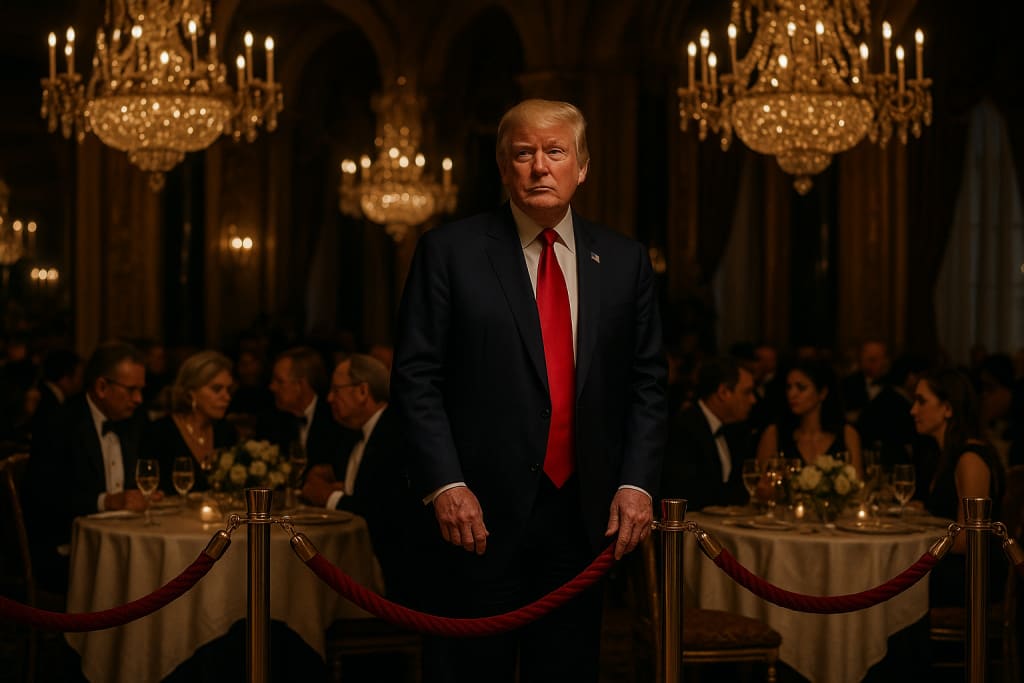
Justice in America has often been described as blind. But in the case of Paul Walczak, it appears that justice took a seat at the table and glanced at the donation check. In early 2025, President Donald Trump issued a full pardon to Walczak, a Florida healthcare executive convicted of serious tax fraud. Just weeks before the pardon, Walczak’s mother attended a $1 million-per-seat fundraiser dinner at Trump’s Mar-a-Lago resort. The sequence of events has raised fresh questions about influence, privilege, and the ever-blurring line between public office and private access.
The Crime Behind the Curtain
Paul Walczak’s story is not a minor accounting mistake. Between 2016 and 2019, Walczak misappropriated over $7 million in employee payroll taxes. These were funds that were supposed to be deposited with the IRS. Instead, they were used for personal luxury purchases—yachts, high-end clothing, and expensive real estate. It wasn’t just bad math; it was calculated theft.
In 2022, a federal court convicted Walczak of tax fraud. He was sentenced to 18 months in prison and ordered to pay $4.4 million in restitution. The case was straightforward. The evidence was overwhelming. The punishment was mild by white-collar crime standards, but it at least served as a public acknowledgment that crime had consequences.
Dinner with the Right People
In January 2025, Elizabeth Fago, Walczak’s mother and a longtime donor, attended a high-dollar fundraiser hosted at Mar-a-Lago. The ticket price? One million dollars per seat. The event promised direct access to Trump, a private dinner, photo opportunities, and what organizers described as “intimate political conversations.”
Within three weeks of the dinner, Trump granted Paul Walczak a full and unconditional pardon. The official reason given was a vague nod to Walczak’s “service to community healthcare.” But there was no formal review from the Department of Justice, no recommendation from the Office of the Pardon Attorney, and no public explanation of how the decision was made.
Legal, Yes. Ethical, Not Even Close
Presidents have the power to pardon. That part is not under debate. But how they choose to use that power speaks volumes about their priorities and principles. In this case, Trump bypassed every traditional channel and made the decision personally. That alone isn’t illegal. But when a million-dollar dinner directly precedes a federal pardon, optics matter.
According to Daily Beast reporting, this exact scenario unfolded with no government pushback. No oversight body questioned the connection. No Republican lawmakers asked for an investigation. It was business as usual, but the business was clemency for cash.
A Pattern of Access-Based Justice
This isn’t the first time Trump used pardons to reward the loyal, the wealthy, or the well-connected. During his first term, he famously pardoned allies like Michael Flynn, Steve Bannon, Joe Arpaio, and even Charles Kushner. Each pardon served a political or personal narrative. But Paul Walczak’s pardon was different.
Walczak wasn’t a national figure. He wasn’t part of Trump’s media circus. He wasn’t indicted in a high-profile case. He was a quiet fraudster with a lot of money behind him. His case only drew attention because of how plainly transactional it appeared.
Critics argue that this shift—using presidential powers to grant relief in exchange for political donations—represents the worst kind of legal favoritism. It is justice based on connections, not merit. And it makes a mockery of the idea that everyone is equal under the law.
No Paper Trail, No Pushback
The most alarming part? Nobody seemed to care. In a year filled with political chaos, the Walczak pardon barely made the news. A few outlets picked up the story, but most major networks ignored it. Congress didn’t ask for answers. The Department of Justice stayed silent. It was another quiet example of powerful people helping other powerful people behind closed doors.
If this had happened under a Democratic president, it likely would have triggered hearings and headlines. But in the age of nonstop political distraction, even a pardon tied to a million-dollar dinner barely causes a ripple.
The Rift Perspective
At The Political Rift, we believe this story matters because it is not an isolated incident. It’s part of a pattern. Pardons were created to offer relief to people who were treated unfairly or who showed deep remorse. They were never intended to serve as luxury favors for people who could afford a seat at a private table.
Some will say Trump was just using his legal rights. That’s technically true. But using legal power without moral restraint leads to the kind of leadership that forgets who it’s supposed to serve. The pardon power is sacred. When it’s reduced to a campaign tool, we all lose something.
This case should remind Americans that corruption doesn’t always arrive with a bang. Sometimes it shows up in a tuxedo and slides across a linen tablecloth with a signed check.
About the Creator
Keep reading
More stories from The political Rift and writers in The Swamp and other communities.
The Curious Case of Kilmar Abrego Garcia: A Satirical Tale of Bureaucratic Ballet
The Curious Case of Kilmar Abrego Garcia: A Satirical Tale of Bureaucratic Ballet American bureaucracy often feels like a theater where no one knows the script, yet the show must go on. Within that chaotic performance, one man stumbled into the spotlight—not by choice, but by paperwork. His name is Kilmar Abrego Garcia, and his story might be the most unintentionally comedic tragedy of the year.
By The political Rift8 months ago in The Swamp
Trump Warns of ‘Very Strong Action’ if Iran Executes Protesters as Death Toll Exceeds 2,400
The international spotlight is once again on Iran as unrest continues to grip the nation following widespread protests against the government’s policies and heavy-handed suppression of dissent. Former U.S. President Donald Trump has issued a stern warning to Tehran, stating that the United States could take "very strong action" if Iran moves forward with executing protesters, a warning that underscores growing global concern over the country’s human rights record.
By Fiaz Ahmed Brohi5 days ago in The Swamp
A Dart at Dusk
Seconds ago, the sullen sun set on the two of us… my exuberant furry companion and me. A fresh breeze embraces us, delivering welcome relief from the day’s oppressive heat. His typical stumbling and staggering along — apace with a sloth — has turned into trip-trapping, high-stepping, almost skipping along.
By Angie the Archivist 📚🪶6 days ago in Petlife


Comments (1)
This whole situation is sketchy. You've got a guy convicted of stealing millions in payroll taxes getting a full pardon right after his mom drops a million at a Trump fundraiser. It makes you wonder how much influence money has in these decisions. And the lack of proper review? That's concerning. Do you think there are more cases like this where justice is being bought off? It's a slippery slope when private money can sway public pardons.