
Talks Between Pakistan, Afghan Taliban Delegations Deadlocked in Istanbul
Diplomatic efforts stall as key issues remain unresolved, leaving regional stability in question.

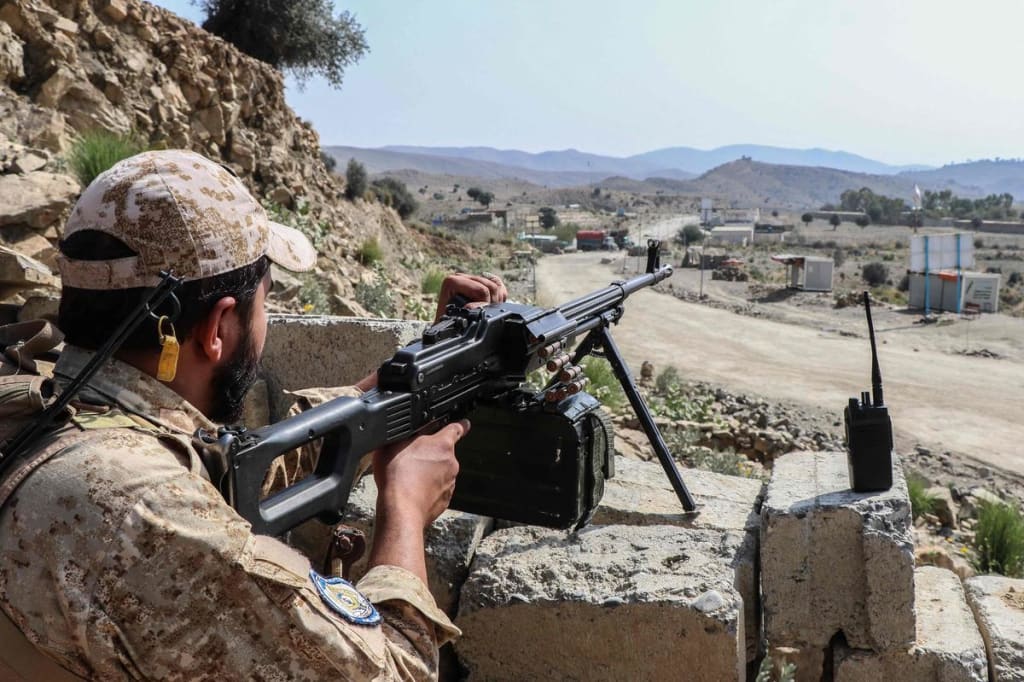
Diplomatic Stalemate in Istanbul
Negotiations between Pakistan and Afghan Taliban delegations in Istanbul have reportedly hit a deadlock, raising concerns about the future of peace and stability in the region. The talks, aimed at addressing cross-border security, political cooperation, and humanitarian challenges, have so far failed to produce a breakthrough, according to officials familiar with the discussions.
The Istanbul meetings, facilitated by Turkish diplomats, were intended to build bridges between Islamabad and Kabul after months of escalating tensions along the Afghanistan-Pakistan border. However, disagreements over border management, militant activity, and political recognition have stalled progress, leaving both sides unable to agree on concrete steps forward.
---
Key Issues at the Heart of the Deadlock
Sources indicate that the primary sticking points involve security arrangements and political legitimacy. Pakistan has repeatedly voiced concerns over militant groups operating from Afghan soil, claiming that these factions threaten stability in Pakistan’s border regions. Islamabad has emphasized the need for the Taliban to crack down on these groups and prevent cross-border attacks.
On the other hand, Taliban representatives argue that Afghanistan’s sovereignty must be respected and that Pakistan should avoid interference in internal Afghan matters. They have also sought international recognition and support for their government, which remains largely unrecognized by most nations.
Another significant issue is the management of refugee flows and humanitarian aid. Thousands of Afghans continue to flee the country amid economic collapse and political uncertainty, many seeking refuge in Pakistan. Negotiators discussed possible mechanisms for safe migration, humanitarian assistance, and border cooperation, but these discussions have yet to yield an actionable agreement.
---
Regional Implications
The deadlock in Istanbul has broader implications for regional stability. Afghanistan and Pakistan share a long, porous border, and instability on either side has historically affected both nations. Escalating tensions could exacerbate existing security challenges, including terrorism, drug trafficking, and refugee crises.
Experts warn that without progress, other countries involved in regional diplomacy—such as Turkey, China, and the United States—may need to intervene more directly to prevent further escalation. Analysts also note that stalled negotiations could embolden extremist groups operating in the border areas, further destabilizing the region.
> “The deadlock highlights the fragile nature of regional diplomacy,” said Dr. Imran Qureshi, a security analyst based in Islamabad. “Both sides have legitimate concerns, but until they find common ground, the risk of miscalculations and border incidents remains high.”
---
Challenges of Engaging the Taliban
Negotiating with the Taliban continues to present unique challenges. Since taking control of Afghanistan in August 2021, the group has faced international isolation, internal divisions, and economic crises. Its leadership structure is opaque, and decision-making often involves a mix of political and military considerations, complicating diplomacy.
Pakistan has historically played a dual role: acting as both a mediator and a security partner, while also expressing frustration over cross-border militancy. Islamabad has tried to leverage its influence over the Taliban to ensure stability along the border and prevent Afghanistan from becoming a haven for extremist organizations.
However, the Taliban’s insistence on sovereignty and non-interference has limited Pakistan’s ability to enforce security measures unilaterally, contributing to the stalled talks.
---
International Reaction
The international community has expressed concern over the lack of progress. The United Nations, in a recent statement, urged both parties to resume dialogue and reach agreements that protect civilians, support humanitarian efforts, and prevent cross-border violence.
Turkey, which hosted the Istanbul talks, has emphasized its role as a neutral facilitator, calling for continued engagement and compromise. Chinese and U.S. officials have also urged Pakistan and the Taliban to avoid actions that could escalate tensions, noting that regional security impacts global interests, particularly regarding counterterrorism and refugee management.
---
Looking Ahead
Observers suggest that the stalemate may continue unless both sides show political flexibility. Confidence-building measures, such as joint security patrols, humanitarian corridors, or verification mechanisms for cross-border incidents, could help break the impasse.
Analysts also point out that domestic pressures on both sides influence the negotiations. Pakistan faces internal political debates over its border policy and security situation, while the Taliban must contend with economic collapse, public dissatisfaction, and factional rivalries within its ranks. These pressures may either push both parties toward compromise or harden positions, depending on how leaders weigh domestic versus regional priorities.
---
Conclusion
The deadlock in Istanbul underscores the complexity of Afghan-Pakistan relations and the challenges of negotiating with a non-traditional governing entity like the Taliban. While diplomacy remains the preferred avenue, the absence of an agreement leaves regional security fragile and civilians at risk.
For now, the world watches as Pakistan and the Taliban navigate a delicate path: balancing security, sovereignty, and humanitarian concerns. The outcome of these negotiations will have lasting implications not only for Afghanistan and Pakistan but also for broader regional stability and international peace efforts.
About the Creator
Fiaz Ahmed
I am Fiaz Ahmed. I am a passionate writer. I love covering trending topics and breaking news. With a sharp eye for what’s happening around the world, and crafts timely and engaging stories that keep readers informed and updated.
Keep reading
More stories from Fiaz Ahmed and writers in The Swamp and other communities.
Afghan Opium Crop Plummets After Taliban Ban – UN Report
Afghanistan, long known as the world’s largest producer of opium, has seen an unprecedented collapse in its opium crop after the Taliban’s nationwide ban on poppy cultivation, according to a new United Nations report. The findings reveal a 95% drop in production compared to previous years — a dramatic shift with far-reaching consequences for Afghanistan’s economy, its farmers, and the international drug trade.
By Fiaz Ahmed 2 months ago in The Swamp


Comments
There are no comments for this story
Be the first to respond and start the conversation.