finance
Money talks; reviewing the global economy, government spending, taxes, and economic policy that affect our social and political future.
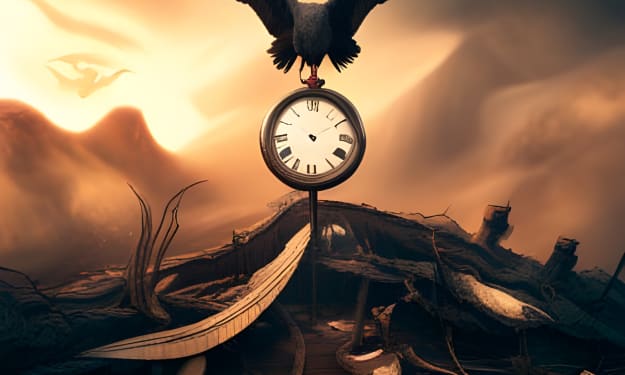
The Carrion Crows Of These Times
Introduction My posts are usually just positive and not too whiney and complaining, but this is just about some things in modern life where things that ride on the back of other things have become nothing more than pernicious vultures, carrion crows or leeches, draining resources from the very things that they feed off, without seeing the final endgame that once their golden goose is dead then they will not be far behind.
By Mike Singleton 💜 Mikeydred 2 years ago in The Swamp
Two Birds, One Stone
Before I begin this article, I must emphasize a few things. One, this is not a defense, nor condemnation of the actions these sailors have taken. Two, I in no way have any knowledge of their cases beyond what is publicly available. Three, this article is not intended to be your sole source of information on this case. It is but a start for more critical thinking about these cases, and others like it.
By Atomic Historian2 years ago in The Swamp
"From Greece to Lebanon: The Shock Doctrine at Work"
"Lebanon: A Nation in Crisis" Lebanon, a country known for its rich history and cultural diversity, has been grappling with a severe crisis that has shaken its very core. From economic collapse to political turmoil, Lebanon's story is one of resilience, but also a stark warning of the consequences of neglecting a nation's welfare.
By Sergios Saropoulos2 years ago in The Swamp
Isolation, Neglect, and Apathy in Society
I haven't wanted to leave the house lately. I think about reclusive personalities that I've read about (like Emily Dickinson) and seen in movies (like Helen Hudson played by Sigourney Weaver in Copycat) and I wonder if my attitude is "normal" or "crazy" or "typical" considering what everybody has seen and heard this past decade. I don't believe that isolation is a "normal" human behavior or that it is good for us, yet it seems to me that the whole construct of the city (not saying that rural areas are any better) is set up to promote isolation, neglect, and apathy. I find it distressing as I approach my elder years having already qualified for retirment a bit early, knowing that the "good times" or "glory days" of my past are extinct. The young people today have a totally different attitude and outlook on what fun is, what success is, and what family is. The old values have been replaced by new technology, new ideology, and new ethics. Sociology was supposed to teach me and citizens how to get along with others in various settings, but even with my age, experience, and education, I'm discovering over and over again that there is no way to learn what Sociology promised to teach. It makes me refer to a character in the movie "Shawshank Redemption" ---- Brooks. He had been "institutionalized" meaning after he received his life sentence to prison, he never considered that he would be set free. So when they released him as a very old man, and he saw the world again after all those years away from it, it was not only shocking, but too "fast" and too "different" for him to adapt to. This is happening to me and others, not because we don't know what adapting is and not because we are lazy or unable to try something new, but simply because the skills required (like cell phones, apps, gps, etcetera) are not created with elders in mind. These new modern inventions were created soley for the next generation --- those who have perfect vision, perfect hearing, and perfect health. So the rest of us who have survived the "wars" of life and have any disabilities not only have to endure the civilization with our handicaps, but we also have to tolerate the fact that the younger and healthier folks get additional benefits simply because technology is on their side, invented for them, not for the elders who need help more than they do.
By Shanon Angermeyer Norman3 years ago in The Swamp