agriculture
Tackling food waste, research and global debates about agricultural sustainability and how to feed our population while still saving some for later.
Feeding the World, Shaping the Planet
Agricultural products are the lifeblood of gift-day civilisation. Agriculture shapes our lives, from our food to the substances utilised in our clothing and shelter. However, the production and intake of agricultural products have many environmental, monetary, and social effects. In this 1,000-word survey, we delve into the arena of farming products, exploring their importance, the challenges they pose, and the possibilities they give for a sustainable destiny.
By Rajendra_Singh2 years ago in The Swamp
Peach Fruit Farming
In India, peach fruit farming is widely popular because it is nutritious and delicious. They grow well in various climates and soil conditions. Peach farming was first established in the northern areas and has since spread to places such as Uttarakhand and portions of Jammu & Kashmir.
By Rajendra_Singh2 years ago in The Swamp
Rice Cultivation Guide in Indonesia
Rice is not just food; It’s Indonesia’s lifeblood. As the world’s third largest producer of rice, Indonesia’s rich agricultural heritage is closely linked to the production of this staple crop This guide explores the fascinating journey of rice, from productive fields to the hot plates of the islands.
By Sweileh 8882 years ago in The Swamp
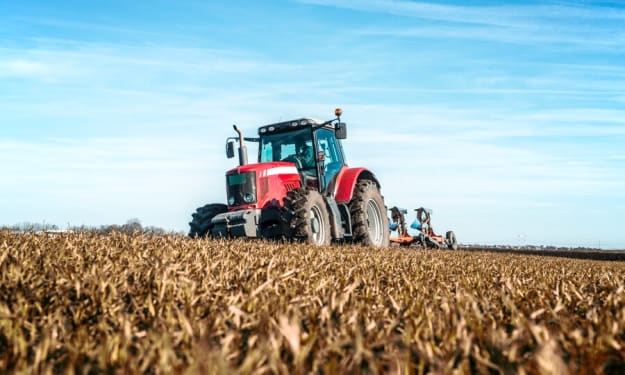
Agriculture and Tractors, Cultivating Prosperity and Growth in India
Agriculture, deeply rooted in India's history and culture, has been the backbone of the nation's economic system. As the primary source of livelihood for a huge part of the population, the agricultural sector plays an important role in shaping India's financial outlook. In recent years, the combination of agriculture and tractors has emerged as a dynamic pressure, moving India to new heights in terms of productivity, efficiency, and common economic growth.
By Rajendra_Singh2 years ago in The Swamp
Nutmeg Cultivation in India
Most people identify nutmeg with the scent that fills the air in the winter. However, the nutmeg tree's natural habitat is very different from that of autumn in North America. It is a tropical evergreen that is indigenous to the South Pacific's warm Spice Islands. The tree is a striking feature in the environment with its dense, conical crown and glossy, scented, dark green leaves. Throughout the year, the tree occasionally displays flowers. They are little, barely noticeable, aromatic, pale yellow, and open at night.
By Rajendra_Singh2 years ago in The Swamp
Nature's Embrace: Unveiling the Lifelong Benefits of Our Natural World. AI-Generated.
Nature, with its vast forests, expansive oceans, towering mountains, and intricate ecosystems, has always been our silent benefactor. Throughout history, our relationship with the natural world has provided us with countless benefits that go far beyond mere resources. From physical health to mental well-being, and even cultural and spiritual enrichment, nature plays a crucial role in shaping our lives and societies.
By Nangponen Muru2 years ago in The Swamp
Dry Farming in India
Dry farming, also known as rainfed Agriculture, is a popular sustainable farming practice. In this approach, we farmers produce crops in their area with limited rainfall without depending on irrigation. The approach has been in use for centuries and is mainly used in india, where large areas of land are in drought situations. It is an essential part of Indian farming as it encompasses around 60 per cent of the cultivated lands.
By Rajendra_Singh2 years ago in The Swamp
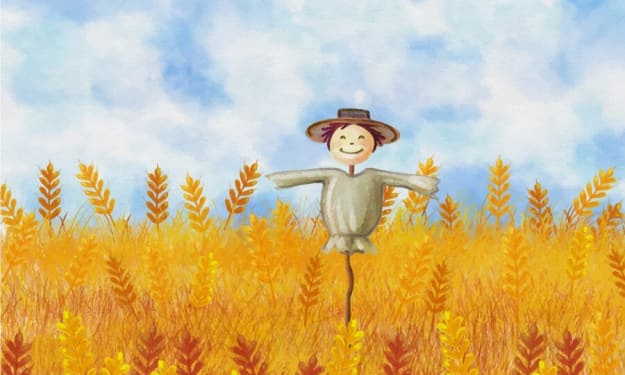
Wheat Farming (Golden Harvest) in India
Wheat is a golden grain in the Indian agricultural economy. It is scientifically known as Triticum Aestivum and belongs to the Poaceae family. Wheat plays a necessary role in the Indian agriculture sphere and supplies nutrition security to millions of people. It is one of the most produced crops in India and is also used as a staple produce for many food products, such as bread, pasta, and cereals.
By Rajendra_Singh2 years ago in The Swamp
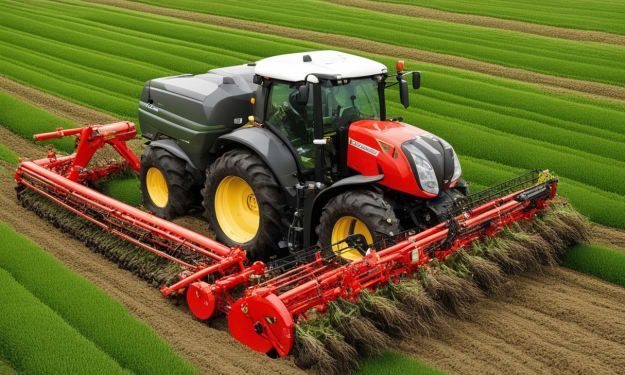
Eco-Friendly Farming Solutions with Rotavators and Combine Harvesters
In recent years, the significance of green farming solutions has become increasingly glaring. With the growing international population and the corresponding demand for food, the rural sector faces the undertaking of developing productivity even whilst minimising environmental effects. Traditional farming practices often contribute to soil degradation, water scarcity, and greenhouse gasoline emissions. However, a modern agricultural device incorporating rotavators and harvesters gives sustainable solutions that would assist farmers in reaping higher yields with decreased ecological footprints.
By Ghan Thakur2 years ago in The Swamp
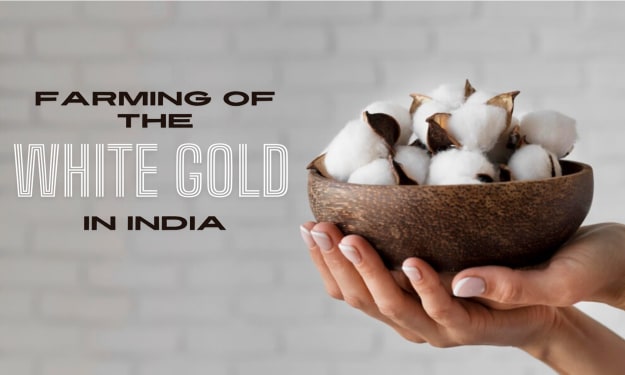
Farming of the “White Gold”
Cotton is more than simply a crop. It's a gem in India! Cotton is widely known as “White Gold” in India because it plays a crucial role in economic development. It is a valuable agricultural crop because it is closely linked to national economies and histories.
By Rajendra_Singh2 years ago in The Swamp