
Switzerland Joins France, the United Kingdom, Spain, Germany, Denmark, and Other European Countries in Propelling U.S. Tourism Freefall with a Record Decline in Tourist Arrivals in California Last Year
Why European Travel to California Is Falling—and What It Means for America’s Tourism Future
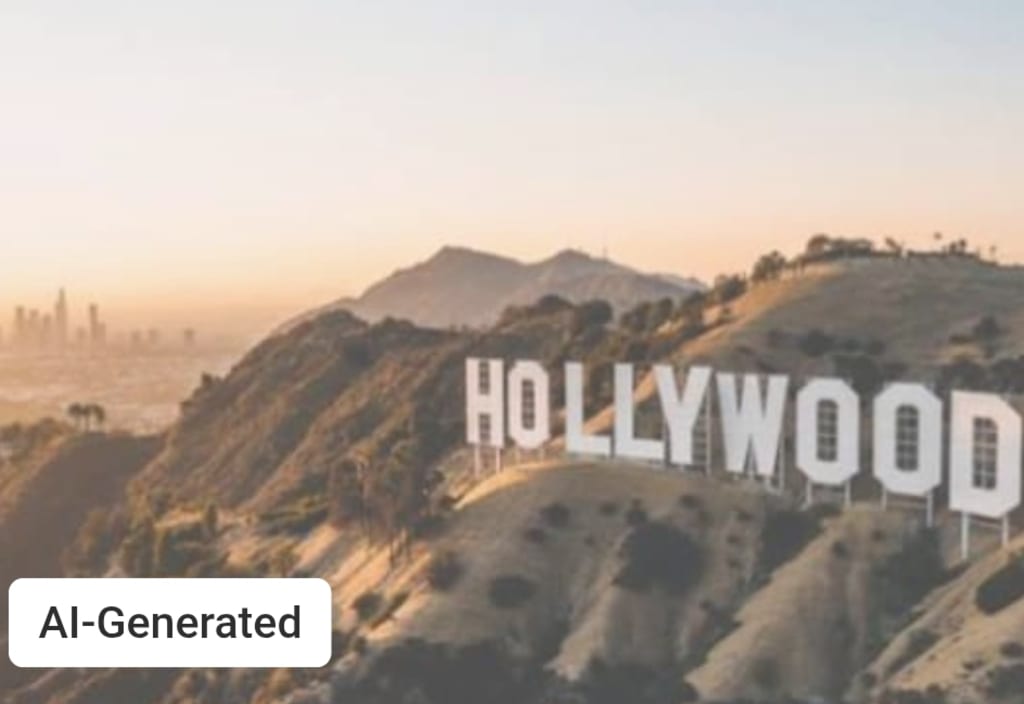
For decades, California has been one of the most desired destinations for international travelers. With iconic attractions like Disneyland, Hollywood, Napa Valley, Big Sur, and tech-fueled Silicon Valley, the state has enjoyed a reputation as the “gateway to the American dream.” But recent tourism data paints a very different picture: European visitors—especially from countries like Switzerland, France, the United Kingdom, Spain, Germany, and Denmark—have dramatically reduced their travel to the U.S., contributing to one of the sharpest drops in California’s international tourism in years.
This trend isn’t just a temporary dip. It’s part of a larger shift that reflects changing global travel preferences, economic pressures, and growing competition from other destinations. Understanding why this is happening—and what it means for the future—is crucial for travel professionals, policymakers, and the millions of Americans whose livelihoods depend on tourism.
A Record Decline: What the Numbers Reveal
California’s tourism industry saw a significant fall in European arrivals last year, with some markets dropping by double digits. Switzerland, traditionally one of the highest-spending visitor groups, reported one of the steepest declines. This is noteworthy because Swiss tourists, like visitors from the U.K., Germany, and France, usually stay longer and spend more than the average traveler.
From airfare to hotels to dining and entertainment, the decline in European vacationers has created noticeable revenue gaps across California’s tourism-dependent regions. Cities like Los Angeles, San Francisco, and San Diego—normally bustling with international sightseers—reported softer hotel occupancy and decreased visitor spending compared to pre-pandemic levels.
The decline is not happening in isolation. Other U.S. states are experiencing similar patterns, but California’s high costs and long-haul location make it feel the impact more sharply.
Why Europe Is Turning Away: Key Factors Behind the Freefall
The drop in European tourism is the result of multiple interconnected factors. Here are the most influential:
1. Strong U.S. Dollar
A strong U.S. dollar means European travelers get less for their euros, pounds, francs, and krones. When every hotel night, meal, and taxi ride becomes more expensive, many travelers—especially families—shift to more affordable destinations within Europe or closer to home.
2. High Travel Costs
Flights between Europe and the West Coast remain significantly higher than pre-2020 prices. Even though airlines have restored most routes, fuel prices, staffing shortages, and overall inflation in the aviation sector have pushed fares up.
When the cost of a single economy ticket from Zurich, London, or Paris can approach the price of a weeklong vacation elsewhere, travelers think twice.
3. Visa Delays and Travel Friction
Although most Western European countries fall under the Visa Waiver Program, U.S. entry rules have become increasingly frustrating for many travelers. Long airport lines, stricter security procedures, and reports of inconsistent border experiences discourage repeat visits.
Travel friction matters—especially when competing destinations like Japan, Thailand, Portugal, or Canada offer smoother arrivals and more tourist-friendly systems.
4. Shifts in Traveler Preferences
Since the pandemic, Europeans have been favoring:
Shorter-distance travel
Nature-based or wellness-focused trips
Sustainable tourism destinations
Places with strong cultural heritage and affordability
California still offers stunning landscapes, but high prices and crowded attractions make alternatives—like the Balkans, Scandinavia, Southeast Asia, or Mediterranean islands—more appealing.
5. Political Perception and Media Narratives
Europeans are highly influenced by global media coverage. Frequent headlines about U.S. political polarization, gun violence, and social tensions can create a perception that America is unsafe or stressful to visit. California, despite being known as progressive and relaxed, still gets grouped into national narratives that reduce its overall appeal.
How the Decline Impacts California’s Tourism Economy
Tourism is a major pillar of California’s economy. International visitors represent a small percentage of total travelers, but they account for a disproportionately large share of spending. European travelers, in particular, stay longer and explore more diverse parts of the state.
Here’s where the impact is being felt:
1. Hospitality Sector
Hotels, especially in major cities, have seen noticeable occupancy gaps during peak European travel months. Luxury hotels and boutique stays—often preferred by Swiss and German visitors—are experiencing the largest drop.
2. Retail and Dining
European tourists are known for strong spending in categories like:
Designer shopping
Farm-to-table dining
Wine tourism
Outdoor recreation
A decline in these high-value visitors reduces overall business activity in these sectors.
3. Entertainment and Attractions
California’s theme parks, museums, and national parks rely heavily on international attendance. Lower visitor numbers mean reduced ticket sales and less demand for guided tours or specialized experiences.
Can California Recover? What the Future Looks Like
Despite the current downturn, there is potential for recovery—but it depends on how effectively California adapts. Here are three major strategies that experts suggest:
1. Strengthening Marketing in Europe
California may need to invest more in targeted European marketing, highlighting:
Unique experiences beyond typical tourist spots
Affordable travel routes and packages
Safety, sustainability, and cultural diversity
Rebuilding trust and excitement is key.
2. Improving Travel Accessibility
Airlines, airports, and federal agencies must reduce international travel friction. Faster entry processes and more direct flights could significantly increase visitor numbers.
3. Offering Value-Focused Experiences
Travelers are not just seeking cheap prices—they want good value. California can spotlight:
Off-season travel
Local events and festivals
Nature-driven experiences
Budget-friendly itineraries
These strategies align well with European preferences.
Conclusion: A Wake-Up Call for U.S. Tourism
The decline in European tourism is more than a temporary slump—it signals a major shift in global travel trends. Countries like Switzerland, France, the U.K., Spain, Germany, and Denmark are sending fewer visitors than ever, and California is feeling the consequences.
But with strategic planning, improved messaging, and better international engagement, the Golden State can regain its place as a top global destination.
If California adapts intelligently, this freefall could spark a new era of innovation in American tourism.
About the Creator
Why Black History Matters in America?
The United States of America is celebrating their 250th anniversary in 2026. I'm proud to be an American and as someone who was born here, I wouldn't imagine myself living anywhere else. This is a country where opportunities are possible. Where anyone can be successful in anything they desire to do. Equality, community, and togetherness are the backbones of what America is and should be about. However, we have an administration who wants to erase and disregard those who have made positive, meaningful impacts in our country, specifically Black figures, such as Martin Luther King, Jr., Rosa Parks, and Maya Angelou. President Trump and his administration have been constantly complaining and fighting against what they call the "Woke agenda". They use this excuse as a distraction from other issues they refuse to address, such as the high cost of living, climate change, and inflation. That equality is dividing America, when in reality, it's bringing us together. Being woke is not tied to a specific political party. No matter where you stand on the political spectrum, you can still care about other people and their plights. Compassion and empathy for others isn't tied to a political party, either. We were taught as children to treat others the way we want to be treated and not judge others because they're different from us. Caring about others isn't a personal attack on your beliefs. It doesn't make you any less of a person. People who are easily offended over African American figures, past or present, or anything related to it, are grasping at straws. Current and future generations need to know who people like Harriet Tubman and Shirley Chisholm were, especially in the classroom. Black History is part of American History. It should be recognized, not hidden or forgotten. Besides, you can't shield children from everything, just because your feelings are easily hurt.
By Mark Wesley Pritchard 6 days ago in The Swamp
After ‘Good Start’, Iran and U.S. Resolve to Keep Talking
In what diplomats are calling a cautious but meaningful step toward easing one of the Middle East’s most persistent geopolitical conflicts, Iran and the United States agreed this week to continue indirect nuclear negotiations after describing an initial round of talks in Oman as a “good start.” While no breakthrough agreement was reached, the tone from both sides reflects a mutual — if tentative — interest in keeping channels of communication open amid deep divisions over Tehran’s nuclear program and broader regional security concerns. Reuters The discussions, held Friday in Muscat and facilitated by Oman’s foreign ministry, were the first substantive indirect talks between the two countries since hostilities escalated following a short but intense conflict last year. Neither Tehran nor Washington announced concrete concessions, but both indicated that follow-up conversations would take place after further consultations in their respective capitals. Khaleej Times A Fragile Diplomatic Opening Iran’s Foreign Minister, Abbas Araghchi, described the meetings as a “good start” but stressed that dialogue requires restraint from external pressures. Speaking after the conclusion of the session in Muscat, Araghchi said that Iranian and U.S. officials had “exchanged views in a positive atmosphere” and that there was an “understanding on continuing the talks.” He added that the specific arrangements for the next round would be determined after further consultation at home. Apa.az Araghchi reiterated Tehran’s position that Iran would focus discussions strictly on its nuclear activities, rejecting attempts to broaden the agenda to include issues such as ballistic missiles, regional proxy relationships, or Iran’s domestic human rights record — matters that Washington has insisted should be part of any comprehensive dialogue. Khaleej Times For the United States, the talks offered an opportunity to engage Iran diplomatically while maintaining pressure on areas of disagreement. President Donald Trump’s administration sent a delegation that included senior envoys and advisers, underscoring Washington’s interest in preventing further escalation that could draw in regional powers or lead to broader conflict. Reuters The Context: Tensions and Calculations The backdrop for the Muscat talks remains highly charged. In mid-2025, U.S. and Israeli forces conducted airstrikes against Iranian nuclear facilities, prompting retaliatory missile attacks and sparking fears of a wider regional war. In response, the United States significantly increased its military presence in the region, deploying carrier groups and fighter jets to waters near Iran, reinforcing U.S. bases and air defenses. Khaleej Times Amid this security environment, both sides have had reason to seek some form of diplomatic engagement. For Tehran, economic challenges intensified by sanctions and internal unrest have heightened the appeal of negotiations that might eventually lead to relief from punitive measures. For Washington, reducing the risk of direct confrontation at a time of broader global tensions — including conflicts in Europe and the Middle East — has been a strategic priority. Reuters Despite their willingness to talk, fundamental disagreements persist. Iran maintains that its nuclear program is for peaceful purposes and insists on its sovereign right to enrich uranium at levels that the U.S. finds unacceptable. Washington, meanwhile, wants verifiable limits on enrichment and greater transparency in Iran’s activities but has so far not secured agreement from Tehran on these points. Khaleej Times Mixed Signals and Sanctions Complicating diplomatic efforts, Washington continued to impose sanctions even as talks took place. On the same day that negotiators met in Oman, U.S. authorities announced punitive measures targeting individuals, companies, and vessels linked to Iran’s petroleum exports and maritime trade networks. These actions underscore the Trump administration’s dual approach of pursuing diplomacy while maintaining economic pressure. Khaleej Times Iranian officials have publicly criticized what they view as persistent pressure tactics, calling for an environment free of threats and sanctions if negotiations are to proceed constructively. Araghchi and his delegation emphasized that Iran would participate in discussions only if they were framed around mutual respect and refraining from coercion. news.cgtn.com Regional and International Reactions Regional actors and global observers have watched the Muscat talks closely. Oman’s role as mediator highlights its long-standing diplomatic position and its ability to serve as a neutral ground for sensitive negotiations. Officials from the Gulf Cooperation Council and European capitals have expressed cautious optimism, stressing that even preliminary dialogue is preferable to further escalation. Khaleej Times Russia, an ally of Tehran, also has called for restraint and encouraged continued engagement, though it maintains its own complex relationship with Washington over issues ranging from Ukraine to Middle East security dynamics. Reuters Looking Ahead As both sides return to their capitals to consult advisers and leadership, future talks are expected to be slow and careful. Observers emphasize that the initial “good start” does not guarantee rapid progress. Deep mistrust — rooted in years of conflict, sanctions, and competing strategic goals — will challenge negotiators as they explore possible areas of compromise. Khaleej Times Regardless, the decision to continue diplomatic engagement marks a notable departure from periods of outright hostility and silence. For now, Tehran and Washington appear to share an interest in keeping the dialogue alive — even if the road ahead toward a lasting agreement remains long and uncertain.
By Fiaz Ahmed a day ago in The Swamp




Comments
There are no comments for this story
Be the first to respond and start the conversation.