
Suicide Risk if Trans Prisoners Are Put in Jails Based on Sex at Birth, Court Told
Lawyers warn rigid prison placement rules could endanger vulnerable inmates Case highlights mental health risks and human rights concerns for transgender prisoners Experts urge individualized assessments over blanket policies Court hears evidence of heightened self-harm risk under sex-based detention rules Debate intensifies over safety, dignity, and prison classification policies

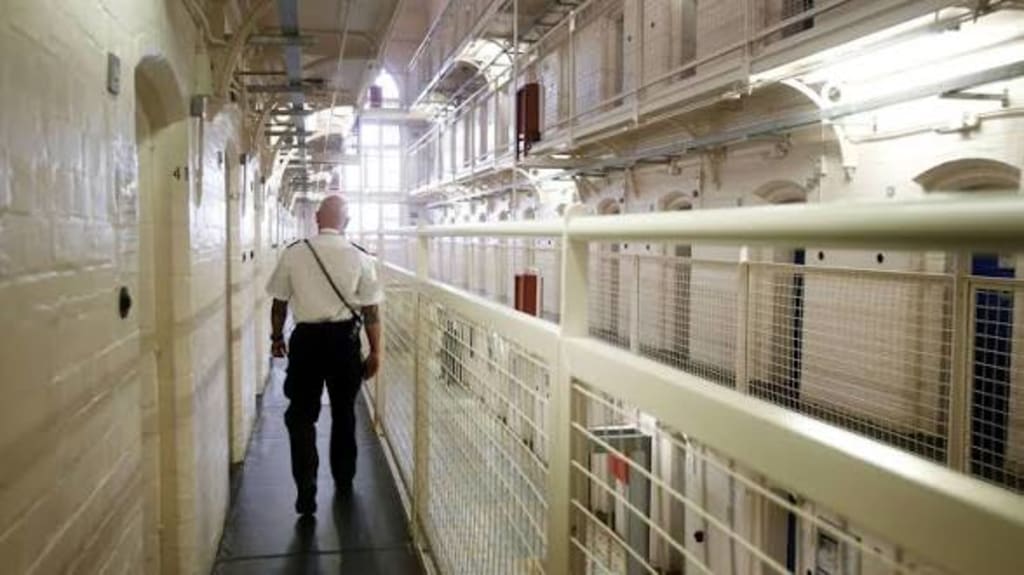
A court has been warned that placing transgender prisoners in facilities according to their sex at birth rather than their gender identity could significantly increase the risk of suicide and self-harm, as legal challenges continue over prison placement policies and the rights of transgender inmates.
During recent proceedings, lawyers representing advocacy groups and affected individuals argued that rigid placement rules fail to account for the vulnerabilities faced by transgender prisoners, particularly trans women housed in male prisons. Medical experts and human rights organizations submitted evidence suggesting that such policies expose inmates to heightened risks of violence, psychological trauma, and severe mental distress.
The case centers on whether prison authorities should prioritize biological sex or gender identity when determining where transgender inmates are held. Governments defending the policies say they are acting in the interests of safety and clarity within the prison system. However, critics contend that blanket rules ignore individual circumstances and medical advice.
Evidence of Mental Health Risks
Psychiatrists and prison healthcare specialists told the court that transgender people already experience disproportionately high rates of depression, anxiety, and suicidal ideation compared with the general population. These risks are amplified in custodial settings, where isolation and fear of assault can worsen existing mental health conditions.
One expert witness stated that housing trans women in male prisons frequently leads to harassment and threats, forcing some inmates into solitary confinement for their own protection. While intended as a safety measure, prolonged isolation has been shown to increase the likelihood of self-harm and suicidal thoughts.
“Transgender prisoners face a unique combination of stigma, vulnerability, and institutional stress,” the court heard. “Policies that disregard gender identity can exacerbate these pressures and result in serious harm.”
Human rights organizations presented international data indicating that suicide attempts among transgender prisoners are significantly higher than among non-transgender inmates, particularly in systems that do not allow case-by-case assessments.
Government Position
Officials defending the policy said prisons must balance the rights of transgender inmates with the safety of other prisoners. They argued that sex-based placement rules offer a clear framework and reduce the risk of conflicts or accusations of unfair treatment.
A government lawyer told the court that prison authorities already have discretion to move inmates if there is a clear and immediate risk to their safety. However, campaigners say this discretion is inconsistently applied and often requires prisoners to endure harm before action is taken.
Authorities also pointed to the creation of specialized units or wings in some facilities for vulnerable prisoners, including transgender inmates. Critics counter that such units are limited in number and can still isolate individuals from meaningful social interaction or rehabilitation programs.
Personal Testimonies
The court heard anonymized testimonies from transgender prisoners who described living in constant fear after being placed in prisons that did not align with their gender identity. Some said they avoided showers, communal areas, and even medical appointments due to the risk of harassment or assault.
One former inmate said that being housed according to sex at birth made them feel “erased and unsafe,” leading to severe depression and thoughts of suicide. Lawyers argued that these experiences demonstrate the human cost of inflexible policies.
Advocacy groups stressed that the issue is not theoretical but affects real people whose mental health and physical safety are at stake. “This is about dignity and survival,” one campaigner said outside the courtroom. “Trans people should not be placed in environments that make them targets.”
Legal and Ethical Implications
The case raises broader questions about how prison systems accommodate gender-diverse individuals within institutions designed around binary classifications. Legal scholars say the outcome could influence future policies on healthcare access, risk assessments, and prisoner classification.
International human rights standards increasingly call for individualized assessments rather than automatic placement based on sex at birth. The United Nations and several European bodies have recommended that prisons consider gender identity alongside safety, health, and personal circumstances.
Opponents of change argue that such policies could be difficult to implement and might provoke backlash from both staff and inmates. Supporters maintain that the legal system must evolve to reflect modern understanding of gender and mental health.
What Happens Next
Judges are expected to rule in the coming months on whether current prison placement rules violate equality and human rights protections. If the challenge succeeds, prison services may be required to revise their policies and introduce more flexible, case-by-case decision-making.
Experts say that regardless of the legal outcome, the debate has already exposed gaps in mental health care for transgender prisoners. Many facilities lack specialized training for staff or adequate psychological support for vulnerable inmates.
The ruling could have far-reaching consequences for correctional systems, potentially reshaping how prisons address the needs of transgender people while maintaining overall safety.
Conclusion
The court’s warning about suicide risk highlights the complex intersection of gender identity, incarceration, and mental health. As legal arguments continue, the case underscores the importance of balancing institutional order with compassion and evidence-based policy.
For transgender prisoners, the decision could determine not only where they are housed, but whether their time in custody becomes a period of protection and rehabilitation or one marked by fear and psychological harm.
If this topic is personally difficult for you or someone you know, support is available. If you’d like, I can help you find mental health helplines or resources in your country.
About the Creator
Fiaz Ahmed
I am Fiaz Ahmed. I am a passionate writer. I love covering trending topics and breaking news. With a sharp eye for what’s happening around the world, and crafts timely and engaging stories that keep readers informed and updated.
Keep reading
More stories from Fiaz Ahmed and writers in The Swamp and other communities.
Italy Toughens Protest Laws, Hours Before Planned Rallies at Winter Olympics
Italy has passed controversial new legislation tightening rules on public protests just hours before planned demonstrations linked to preparations for the upcoming Winter Olympics. The timing of the move has sparked criticism from civil rights groups, opposition parties, and international observers, who argue that the government is using security concerns to curb freedom of expression and suppress dissent ahead of one of the world’s most high-profile sporting events. The Winter Olympics, scheduled to take place in Milan and Cortina d’Ampezzo, have already drawn protests from environmental activists, housing campaigners, and labor unions who oppose the scale of construction projects and their social and ecological impact. With tensions rising, the Italian government says the new measures are necessary to ensure public safety and protect critical infrastructure during a period of heightened risk. New Restrictions on Demonstrations Under the updated protest laws, authorities have been granted broader powers to restrict or ban demonstrations deemed disruptive to transport networks, construction sites, or public order. Penalties for blocking roads, railways, or access points to major venues have been significantly increased, including heavier fines and longer prison sentences for repeat offenders. The law also allows police to impose stricter conditions on protest permits and gives local prefects greater discretion to limit the time, place, and size of gatherings. Interior Ministry officials said the legislation is designed to prevent actions that could “endanger public safety” or “damage Italy’s international image” during the Olympic preparations. Government spokespersons insist that the measures are not aimed at silencing critics but at preventing acts of sabotage and ensuring that Italy can host the Games smoothly. “Peaceful protest remains a constitutional right,” an Interior Ministry statement said. “However, actions that obstruct essential services or threaten security cannot be tolerated, particularly during an event of global importance.” Criticism from Rights Groups and Opposition Civil liberties organizations have sharply criticized the new rules, arguing that they blur the line between legitimate protest and criminal behavior. Amnesty International Italy warned that the law could be used to intimidate activists and discourage public participation in political debate. Opposition politicians described the timing of the legislation as “no coincidence.” Several lawmakers accused Prime Minister Giorgia Meloni’s government of exploiting the Olympics to push through measures that would otherwise face stronger resistance. “Passing this law on the eve of demonstrations sends a clear message: dissent will be punished,” said a spokesperson for the Democratic Party. Legal experts have also raised concerns about the vague wording of the law, particularly provisions allowing authorities to restrict protests that may cause “significant disruption.” Critics argue that such language gives police excessive discretion and risks arbitrary enforcement. Protests Linked to Olympic Projects The planned rallies focus on opposition to infrastructure projects connected to the Winter Olympics, including new roads, rail links, and ski facilities. Environmental groups say construction is damaging fragile Alpine ecosystems and accelerating deforestation. Housing activists argue that public funds are being diverted from social services toward costly prestige projects, while local residents complain of rising rents and displacement. In recent months, activists have staged sit-ins, blocked construction sites, and organized marches in Milan, Venice, and several Alpine towns. Although most protests have been peaceful, authorities point to isolated incidents of vandalism and clashes with police as justification for tougher measures. The government has framed the Olympics as a symbol of national pride and economic opportunity, predicting billions of euros in investment and tourism revenue. Officials argue that disruptions threaten not only public order but also Italy’s reputation abroad. A Broader Shift in Security Policy The protest law is part of a wider package of security measures introduced by the current government, which has emphasized law and order since taking office. Previous legislation has already increased penalties for migrant rescue operations, squatting, and damage to public monuments. Critics say the trend reflects an increasingly authoritarian approach to governance. Supporters of the government counter that Italy faces growing security challenges, including climate activism tactics such as road blockades and the risk of extremist violence. They argue that clearer rules are needed to balance protest rights with the protection of citizens and infrastructure. Interior Minister Matteo Piantedosi defended the move, stating that “freedom must coexist with responsibility.” He added that the Olympics present unique logistical challenges requiring stronger legal tools to prevent disruption. International Scrutiny The new law has drawn attention beyond Italy’s borders. Human rights organizations across Europe have warned that restricting protests during major international events sets a dangerous precedent. Comparisons have been made to similar measures adopted by host countries of other large sporting events, where security concerns have sometimes been used to justify sweeping limitations on civil liberties. The International Olympic Committee has not commented directly on the legislation but has previously emphasized that host nations should respect human rights and freedom of expression. Observers say the situation could place Italy under increased scrutiny as the Games approach. What Comes Next Despite the tougher laws, protest organizers have vowed to continue their demonstrations, insisting that they will remain peaceful and lawful. Some groups are exploring legal challenges, arguing that the legislation violates constitutional protections for assembly and speech. As the Winter Olympics draw nearer, the clash between security priorities and civil liberties is likely to intensify. For the Italian government, the challenge will be to maintain order without undermining democratic principles. For activists, the struggle will be to make their voices heard in an environment that increasingly treats protest as a threat rather than a right. Conclusion Italy’s decision to tighten protest laws just hours before planned Olympic-related rallies has reignited debate over the balance between security and freedom. While the government insists the measures are necessary to safeguard a global event, critics warn that the move risks eroding fundamental rights. As preparations for the Winter Olympics continue, the controversy highlights a deeper question facing modern democracies: how to protect public order without silencing dissent in moments of national and international attention.
By Fiaz Ahmed 3 days ago in The Swamp
Why Black History Matters in America?
The United States of America is celebrating their 250th anniversary in 2026. I'm proud to be an American and as someone who was born here, I wouldn't imagine myself living anywhere else. This is a country where opportunities are possible. Where anyone can be successful in anything they desire to do. Equality, community, and togetherness are the backbones of what America is and should be about. However, we have an administration who wants to erase and disregard those who have made positive, meaningful impacts in our country, specifically Black figures, such as Martin Luther King, Jr., Rosa Parks, and Maya Angelou. President Trump and his administration have been constantly complaining and fighting against what they call the "Woke agenda". They use this excuse as a distraction from other issues they refuse to address, such as the high cost of living, climate change, and inflation. That equality is dividing America, when in reality, it's bringing us together. Being woke is not tied to a specific political party. No matter where you stand on the political spectrum, you can still care about other people and their plights. Compassion and empathy for others isn't tied to a political party, either. We were taught as children to treat others the way we want to be treated and not judge others because they're different from us. Caring about others isn't a personal attack on your beliefs. It doesn't make you any less of a person. People who are easily offended over African American figures, past or present, or anything related to it, are grasping at straws. Current and future generations need to know who people like Harriet Tubman and Shirley Chisholm were, especially in the classroom. Black History is part of American History. It should be recognized, not hidden or forgotten. Besides, you can't shield children from everything, just because your feelings are easily hurt.
By Mark Wesley Pritchard 7 days ago in The Swamp
Silver Price Forecast: Why the Pullback From $120 Could Fuel the Next Rally
Silver has experienced a dramatic journey in recent months, briefly touching $120 per ounce before retreating to lower levels. While the pullback has sparked concerns among investors, many analysts argue that this correction could set the stage for a stronger rally. Market dynamics, global economic trends, and the unique characteristics of silver as both an industrial metal and a financial hedge suggest that the metal’s story is far from over.
By Sadaqat Aliabout an hour ago in The Swamp


Comments
There are no comments for this story
Be the first to respond and start the conversation.