
Stuck Between the US and Russia, Canada Must Prove It Can Defend Its Arctic Territory
Canada faces rising pressure to safeguard its Arctic sovereignty amid global tensions

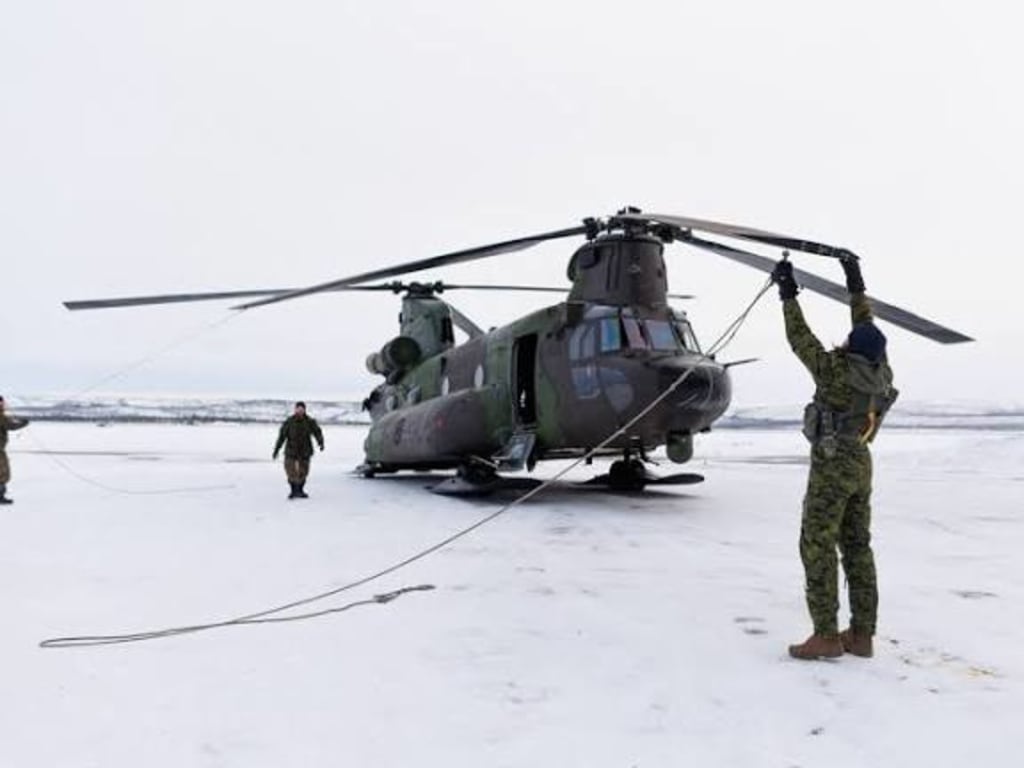
Strategic pressure mounts as global powers eye the Arctic
Canada finds itself at a critical juncture, navigating between the influence of the United States and Russia while facing mounting pressure to defend its Arctic territory. The region, long remote and sparsely populated, has become geopolitically significant due to melting ice, natural resources, and new shipping routes.
As tensions rise among global powers, Canada must demonstrate that it can maintain sovereignty, ensure security, and participate effectively in Arctic governance. Failure to do so could leave the nation vulnerable to outside influence and territorial disputes.
Why the Arctic Matters
The Arctic is no longer just a frozen frontier. It holds strategic and economic significance for several reasons:
Natural Resources – The region contains vast deposits of oil, natural gas, and minerals, attracting international interest.
Shipping Lanes – Melting ice opens new maritime routes, reducing travel between Europe and Asia by thousands of kilometers.
Military Presence – Global powers, particularly Russia and the US, are expanding their military infrastructure and patrols in the Arctic.
Environmental Importance – The Arctic plays a key role in climate regulation, and territorial oversight ensures sustainable resource management.
These factors make the Arctic a hotspot for geopolitical competition, and Canada is at the center of this emerging strategic landscape.
Canada Between the US and Russia
Canada shares Arctic interests with the United States through the North American Aerospace Defense Command (NORAD) and bilateral defense agreements. At the same time, Russia maintains a strong military presence along the Northern Sea Route, actively building icebreakers, ports, and bases.
This situation places Canada in a delicate position:
Coordination with the US – While NORAD provides security, Canada must ensure it retains autonomy in decision-making over its Arctic territory.
Managing Russian Activity – Monitoring and responding to Russian expansion requires capable Arctic forces, surveillance, and infrastructure.
Diplomatic Balance – Canada must maintain positive international relations while asserting territorial claims and defending sovereignty.
Analysts stress that Canada cannot rely solely on allies; it must demonstrate independent capability and resolve.
Challenges to Arctic Defense
Canada faces several challenges in defending its Arctic territory:
Harsh Environment – Extreme cold, ice, and long distances make military operations and logistics difficult.
Limited Infrastructure – Few ports, airfields, or communication systems exist in northern regions, restricting mobility.
Small Military Footprint – Canada’s Arctic forces are smaller compared to Russia’s, creating gaps in presence and response capability.
Economic Constraints – Funding large-scale Arctic operations is costly and politically sensitive.
Despite these hurdles, Canada has emphasized modernizing its Arctic strategy, investing in icebreakers, surveillance aircraft, and northern bases to ensure readiness.
Canada’s Arctic Strategy
Canada has outlined a multi-pronged strategy to safeguard its territory:
Military Upgrades – Deployment of advanced aircraft, ships, and surveillance systems for monitoring Arctic waters.
Infrastructure Development – Construction of airstrips, ports, and communication networks to support northern operations.
Indigenous Partnerships – Collaborating with Indigenous communities to improve local security, monitoring, and emergency response.
International Cooperation – Participating in forums like the Arctic Council to ensure diplomatic influence while defending sovereignty.
This strategy reflects a combination of defense readiness, diplomacy, and community engagement aimed at asserting Canada’s role in the Arctic.
The Role of Global Politics
Canada’s Arctic challenge cannot be separated from broader geopolitical dynamics.
Russia – Strengthening military bases, icebreaker fleets, and territorial claims along its Arctic border signals a long-term strategic interest.
United States – While a key ally, US Arctic priorities may not always align with Canadian sovereignty objectives, creating potential tension.
China and Others – Even non-Arctic states like China are eyeing northern shipping routes and resources, adding another layer of complexity.
Canada must navigate these dynamics carefully, proving that it can assert authority while collaborating internationally.
Why Sovereignty Matters
For Canada, demonstrating Arctic defense capability is not just about military presence. It is also about:
Protecting Resources – Ensuring oil, gas, and mineral extraction benefits Canada rather than foreign powers.
Environmental Stewardship – Monitoring and regulating shipping, fishing, and resource exploitation.
National Pride and Identity – The Arctic is part of Canada’s historical and cultural heritage, including Indigenous communities.
Geopolitical Influence – A strong Arctic stance ensures Canada remains a credible player in global negotiations.
Failure to act decisively could invite encroachment or influence from more aggressive powers, undermining sovereignty.
Looking Ahead
Canada’s Arctic future depends on strategic investments, international cooperation, and political will. Observers suggest that:
Expanding the Canadian Rangers and northern bases is essential for presence and security.
Investing in technology like satellites, drones, and ice-capable vessels enhances surveillance and rapid response.
Coordinating with allies must be balanced with autonomous capability to prevent dependence.
Engaging Indigenous communities ensures local knowledge and sustainable practices are incorporated.
By pursuing these measures, Canada can assert authority, protect resources, and maintain influence in the evolving Arctic landscape.
Conclusion
Canada is at a pivotal moment in Arctic geopolitics. Stuck between the US and Russia, it must prove it can defend its territory while participating in global governance. By combining military readiness, infrastructure development, international diplomacy, and community engagement, Canada can assert sovereignty and demonstrate that the Arctic remains firmly under Canadian control.
In a world where ice melts and new opportunities emerge, Canada’s ability to protect its Arctic territory will shape not only national security but also the future of global politics, energy, and environmental stewardship.
About the Creator
Fiaz Ahmed
I am Fiaz Ahmed. I am a passionate writer. I love covering trending topics and breaking news. With a sharp eye for what’s happening around the world, and crafts timely and engaging stories that keep readers informed and updated.
Keep reading
More stories from Fiaz Ahmed and writers in The Swamp and other communities.
Russian Airstrikes Pound Ukraine Amid US-Brokered Peace Talks in Abu Dhabi
Tensions rise as diplomatic efforts continue Ukraine is facing renewed military pressure as Russian airstrikes target key cities and infrastructure, coinciding with ongoing US-brokered peace talks in Abu Dhabi. Despite diplomatic efforts to reduce hostilities, the violence on the ground highlights the challenges of negotiating an end to the conflict. The strikes have caused significant damage to residential areas, transportation networks, and industrial facilities, putting civilians at risk and disrupting daily life across affected regions. The Context of the Airstrikes Russian forces have intensified their aerial operations in recent weeks, targeting areas with strategic and economic significance. Analysts suggest the timing of the attacks may be intended to pressure Ukrainian negotiators during the peace talks. While diplomats gather in Abu Dhabi to discuss potential ceasefires and humanitarian corridors, the violence in Ukraine continues unabated, emphasizing the complexity of achieving a resolution. Impact on Civilians and Infrastructure The airstrikes have had devastating effects on the population: Loss of Life and Injuries – Reports indicate that civilians have been killed or injured, prompting urgent calls for international humanitarian support. Displacement – Thousands of residents are fleeing affected cities, seeking shelter in safer areas, including temporary accommodations in neighboring regions. Damage to Infrastructure – Power plants, water supplies, and hospitals have been affected, creating long-term challenges for essential services. Psychological Toll – The constant threat of airstrikes adds stress and fear, particularly among children and the elderly. Humanitarian organizations are coordinating relief efforts, but access to conflict zones remains extremely challenging due to ongoing military activity. The US-Brokered Peace Talks In Abu Dhabi, diplomats from Ukraine, Russia, and the United States are engaged in discussions aimed at reducing hostilities and opening channels for negotiations. Key topics include: Ceasefire agreements in specific regions Humanitarian corridors for civilians and aid delivery Steps toward broader diplomatic solutions to end the conflict Despite these efforts, analysts caution that progress is likely to be slow, as military actions on the ground continue to complicate trust and negotiation. Why Attacks Continue During Talks Several reasons explain why airstrikes persist even while diplomatic negotiations are underway: Leverage in Negotiations – Military pressure can be used as a bargaining tool to influence concessions. Ongoing Strategic Objectives – Both sides continue operations to secure key territory and resources, regardless of diplomacy. Limited Enforcement of Agreements – Without a binding ceasefire in place, airstrikes and other military actions can continue. Experts warn that violence during negotiations is not unusual, but it underscores the urgent need for international monitoring and protection of civilians. Global Reactions and Concerns The international community has expressed deep concern about the ongoing attacks: United Nations – Urging immediate protection of civilians and access for humanitarian aid. European Union – Condemning the violence and calling for uninterrupted diplomatic engagement. United States – Coordinating the peace talks while continuing support for Ukraine’s defense and humanitarian needs. The continuation of airstrikes during negotiations has also sparked debates over accountability, the enforcement of international law, and the effectiveness of diplomacy under active conflict conditions. Humanitarian Challenges Aid organizations are facing significant obstacles: Blocked or damaged supply routes hinder the delivery of food, medicine, and emergency equipment. Displacement of civilians creates a need for shelters, medical care, and social support. Psychological support is critical for individuals traumatized by repeated attacks. International cooperation is crucial to ensure that relief reaches those most in need, even as the security situation remains unstable. Looking Ahead The situation in Ukraine remains fluid and unpredictable. While peace talks provide hope for a reduction in hostilities, the reality on the ground suggests that negotiations will be complicated and protracted. Experts suggest several possible scenarios: Temporary Ceasefire – Short-term agreements may allow aid delivery and reduce civilian casualties. Escalation – Continued airstrikes could prolong conflict and deepen humanitarian crises. Diplomatic Breakthrough – Rare but possible, resulting in lasting agreements that pave the way for peace. Regardless of the outcome, coordination between international actors, continued diplomatic pressure, and humanitarian support remain essential. Conclusion The airstrikes in Ukraine amid US-brokered peace talks in Abu Dhabi illustrate the complex interplay between military action and diplomacy. Civilians continue to bear the brunt of violence, highlighting the urgent need for protective measures, humanitarian aid, and international engagement. While hope exists that diplomacy can eventually reduce hostilities, the conflict serves as a stark reminder of how negotiation and warfare can coexist, making the path to peace both delicate and challenging.
By Fiaz Ahmed 12 days ago in The Swamp
Why Black History Matters in America?
The United States of America is celebrating their 250th anniversary in 2026. I'm proud to be an American and as someone who was born here, I wouldn't imagine myself living anywhere else. This is a country where opportunities are possible. Where anyone can be successful in anything they desire to do. Equality, community, and togetherness are the backbones of what America is and should be about. However, we have an administration who wants to erase and disregard those who have made positive, meaningful impacts in our country, specifically Black figures, such as Martin Luther King, Jr., Rosa Parks, and Maya Angelou. President Trump and his administration have been constantly complaining and fighting against what they call the "Woke agenda". They use this excuse as a distraction from other issues they refuse to address, such as the high cost of living, climate change, and inflation. That equality is dividing America, when in reality, it's bringing us together. Being woke is not tied to a specific political party. No matter where you stand on the political spectrum, you can still care about other people and their plights. Compassion and empathy for others isn't tied to a political party, either. We were taught as children to treat others the way we want to be treated and not judge others because they're different from us. Caring about others isn't a personal attack on your beliefs. It doesn't make you any less of a person. People who are easily offended over African American figures, past or present, or anything related to it, are grasping at straws. Current and future generations need to know who people like Harriet Tubman and Shirley Chisholm were, especially in the classroom. Black History is part of American History. It should be recognized, not hidden or forgotten. Besides, you can't shield children from everything, just because your feelings are easily hurt.
By Mark Wesley Pritchard 4 days ago in The Swamp



Comments
There are no comments for this story
Be the first to respond and start the conversation.