
Strong Yen Boosts Japanese Bonds While Weighing on Stock Market
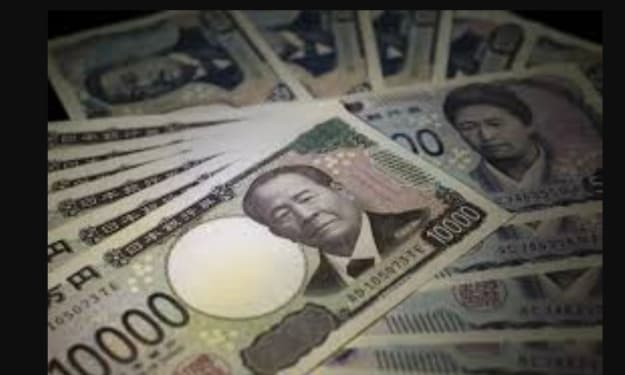
A surge in the Japanese yen is reshaping financial markets, lifting government bonds while putting pressure on export-driven stocks amid shifting monetary expectations.


Yen Rally Sends Ripples Through Japan’s Markets
Japan’s financial markets are experiencing a notable shift as a stronger yen supports government bonds but drags on equities. The currency’s appreciation reflects changing investor expectations around monetary policy and global risk sentiment, creating winners and losers across asset classes.
For years, a weak yen supported Japan’s exporters and stock market. The recent reversal has sparked renewed debate over how currency movements influence economic growth and financial stability.
What’s Driving the Yen’s Strength?
The yen’s rally is largely tied to speculation about policy changes at the Bank of Japan (BOJ). After decades of ultra-loose monetary policy, signs that the central bank may gradually normalize interest rates have increased demand for the currency.
Higher yields, even modest ones, make yen-denominated assets more attractive to global investors. Additionally, rising global uncertainty has boosted demand for the yen as a traditional safe-haven currency.
The combination of domestic policy shifts and external risk factors has strengthened the yen against major currencies.
Japanese Bonds Benefit From Currency Gains
As the yen strengthens, Japanese government bonds (JGBs) have gained favor among investors. Expectations of tighter monetary policy have pushed yields higher, increasing returns for bondholders and attracting international capital.
A stronger yen also reduces inflationary pressure from imported goods, improving the outlook for real bond returns. This has reinforced demand for longer-dated bonds, which had struggled under prolonged low-yield conditions.
For fixed-income investors, the yen’s rise offers both currency appreciation and improved yield prospects.
Stock Market Feels the Pressure
While bonds have benefited, Japanese equities have come under pressure. A stronger yen reduces the overseas earnings of export-heavy companies when profits are converted back into local currency.
Automakers, electronics manufacturers, and industrial exporters have been among the hardest hit. These sectors have historically relied on a weaker yen to remain competitive in global markets.
The stock market’s decline highlights the delicate balance policymakers face between supporting currency stability and maintaining corporate profitability.
Investor Sentiment Turns More Cautious
The yen’s appreciation has shifted investor sentiment toward caution. Equity investors are reassessing earnings forecasts, while bond investors see renewed opportunity in Japan’s fixed-income market.
Foreign investors, who had previously poured money into Japanese stocks during periods of yen weakness, are now adjusting positions. Some are rotating into bonds or reducing exposure to export-driven equities.
This rebalancing underscores how quickly capital flows can change when currency dynamics shift.
Broader Economic Implications
A stronger yen has mixed implications for Japan’s economy. On one hand, it helps curb inflation by lowering import costs, benefiting consumers and businesses reliant on foreign raw materials.
On the other hand, it can dampen economic growth by squeezing exporters’ margins. For an economy heavily dependent on trade, this creates a policy dilemma.
Authorities must weigh the benefits of currency stability against the risk of slowing growth, especially as Japan continues to recover from years of deflationary pressure.
Global Context Matters
Japan’s market movements do not exist in isolation. Global interest rate trends, U.S. monetary policy expectations, and geopolitical uncertainty all influence currency flows.
As other major central banks signal potential rate cuts, Japan’s tentative move toward normalization stands out. This divergence has amplified the yen’s strength and magnified its impact on domestic markets.
Investors are watching closely to see whether this trend continues or reverses as global conditions evolve.
What Comes Next for Markets?
Market participants are now focused on upcoming BOJ guidance and economic data. Clear signals about the pace and scope of policy normalization will be critical in shaping future currency and market movements.
If the yen continues to strengthen, bonds may remain supported while stocks face ongoing headwinds. A reversal, however, could quickly shift momentum back toward equities.
Volatility is likely to remain elevated as investors navigate this transition.
Conclusion
The yen’s recent strength has reshaped Japan’s financial landscape, lifting bonds while pressuring stocks. The contrasting market reactions reflect deeper questions about monetary policy, economic growth, and global capital flows.
As Japan stands at a potential turning point in its long-standing monetary stance, the balance between currency stability and market performance will remain under close scrutiny. For investors, understanding the interplay between the yen, bonds, and equities has never been more important.
About the Creator
Asad Ali
I'm Asad Ali, a passionate blogger with 3 years of experience creating engaging and informative content across various niches. I specialize in crafting SEO-friendly articles that drive traffic and deliver value to readers.
Death Toll in Pakistan Shopping Plaza Fire Rises to 67, Officials Say
A devastating fire at a shopping plaza in Pakistan has claimed at least 67 lives, according to officials, marking one of the deadliest urban fire incidents in recent years. The tragedy has sent shockwaves across the country, raising urgent questions about building safety, emergency preparedness, and regulatory enforcement. As rescue operations concluded, authorities confirmed that dozens of victims were trapped inside the building when the fire spread rapidly, leaving little chance for escape. What Happened? The fire broke out in a multi-story shopping plaza located in a busy commercial area. According to initial reports, flames erupted suddenly and spread quickly through the structure, fueled by flammable materials, blocked exits, and poor ventilation. Eyewitnesses described scenes of panic as shoppers and workers attempted to flee. Thick smoke filled corridors, making visibility nearly impossible. Many people were unable to escape due to locked stairwells, narrow passages, and the absence of proper fire exits. Emergency services were alerted, but by the time firefighters reached the scene, the fire had already engulfed large parts of the building. Rescue Efforts and Challenges Firefighters battled the blaze for several hours. Rescue teams used ladders and heavy equipment to reach upper floors, while ambulances transported the injured to nearby hospitals. However, officials admitted that rescue operations were severely hampered by: Lack of functional fire alarms Absence of emergency staircases Overcrowded interior spaces Vehicles blocking access routes for fire engines Many victims were found unconscious due to smoke inhalation, while others suffered severe burns. Rising Death Toll Initially, authorities reported a lower number of casualties. As search operations continued and debris was cleared, the death toll steadily rose to 67, with officials warning that the number could increase if critically injured victims fail to recover. Hospitals remain overwhelmed, treating dozens of injured survivors. Doctors say many patients are in critical condition, suffering from respiratory damage and extensive burns. Grief and Anger Among Families Outside hospitals and morgues, scenes of grief unfolded as families waited for news of missing loved ones. Many expressed anger and frustration, blaming negligence and poor safety standards for the tragedy. Relatives accused building owners and authorities of ignoring repeated warnings about safety violations. Some survivors claimed there were no visible fire extinguishers or evacuation signs inside the plaza. For many families, the fire has resulted in sudden loss of breadwinners, leaving them facing emotional and financial hardship. Official Response Government officials and local administrators visited the site and hospitals following the incident. Condolences were offered to victims’ families, and promises were made to investigate the cause of the fire thoroughly. Authorities announced: Formation of an inquiry committee Temporary closure of nearby commercial buildings Review of fire safety compliance in similar structures Officials also stated that those found responsible for negligence would face strict legal action. A Pattern of Negligence This tragedy is not an isolated incident. Pakistan has witnessed several deadly fires in commercial buildings over the years. Experts say these disasters often share common causes: Outdated building codes Weak enforcement of safety regulations Unauthorized modifications to buildings Lack of emergency training for staff Despite laws requiring fire safety measures, many buildings operate without compliance, putting lives at risk. Calls for Reform Following the fire, safety experts and civil society groups have renewed calls for urgent reform. They argue that reactive measures after disasters are not enough. Proposed reforms include: Mandatory fire safety inspections Severe penalties for violations Public awareness campaigns Installation of fire alarms and sprinkler systems Regular emergency drills Urban planners stress that protecting human life must take priority over commercial profit. Survivors Share Their Stories Survivors of the blaze have shared harrowing accounts of their escape. One individual described crawling through smoke-filled corridors, while another said they jumped from a lower floor to survive. Many survivors said they were unaware of any emergency procedures, highlighting a lack of basic safety education in public spaces. Their stories have fueled public outrage and intensified demands for accountability. National Reflection The shopping plaza fire has sparked a national conversation about urban safety and governance. Citizens are questioning how such tragedies continue to occur despite previous warnings and loss of life. Social media platforms are filled with messages demanding justice, transparency, and reform. Many believe that without meaningful action, similar disasters are bound to happen again. Conclusion The rise in the death toll to 67 in Pakistan’s shopping plaza fire is a painful reminder of the cost of negligence. Beyond the numbers are human lives—parents, children, workers—lost in a tragedy that many believe could have been prevented. As investigations continue, the country faces a critical moment. Whether this disaster leads to real change or becomes another forgotten headline will depend on accountability, enforcement, and commitment to safety. For now, Pakistan mourns its dead, while families seek justice and hope that no one else will have to suffer such a devastating loss.
By Fiaz Ahmed 4 days ago in The Swamp
Japan Suspends World's Largest Nuclear Plant Hours After Restart
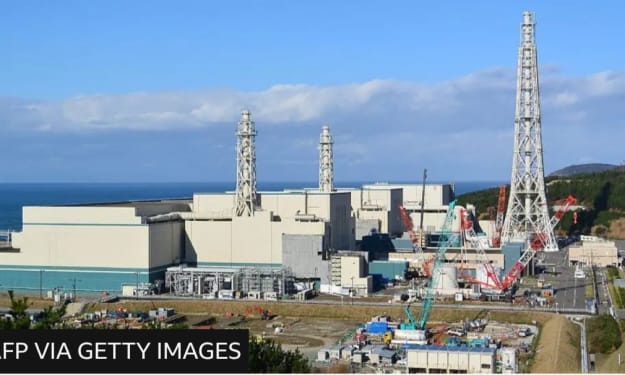
In a dramatic turn of events, Japan has suspended operations at the world’s largest nuclear power plant just hours after it was restarted, raising urgent questions about the country’s energy strategy and nuclear safety protocols. The suspension comes amid heightened scrutiny of nuclear energy in Japan, nearly a decade after the Fukushima disaster, and reflects the ongoing challenges the country faces in balancing energy needs with safety and public trust.
By Aarif Lashari5 days ago in The Swamp
The Path to Salvation
The late autumn evening air filled the monk's lungs, but it wasn't the season that chilled his bones. The heavy-handed presence of evil he had sensed upon entering the woods surrounding this mountain village had not bothered to conceal itself from him.
By Made in DNA5 days ago in Fiction


Comments
There are no comments for this story
Be the first to respond and start the conversation.