
Storm Chandra Batters the UK, Triggering Floods and Widespread Travel Disruption
Heavy rainfall, rising river levels, and transport chaos highlight the growing impact of extreme weather across Britain
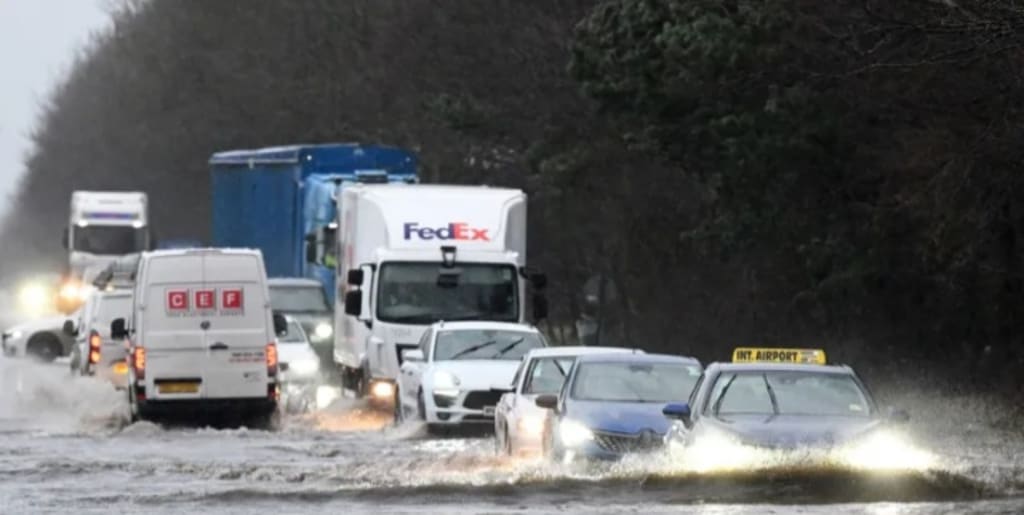
Storm Chandra has swept across the United Kingdom, bringing with it torrential rain, flash flooding, and significant disruption to travel networks. From flooded roads and delayed trains to evacuations in vulnerable communities, the storm has once again exposed how extreme weather events are becoming an increasingly common and disruptive feature of British life.
Meteorologists warned days in advance that Storm Chandra could pose serious risks, particularly in low-lying and coastal areas. As the system moved in from the Atlantic, it delivered prolonged and intense rainfall across England, Wales, and parts of Scotland, overwhelming drainage systems and pushing rivers beyond their banks.
Communities Hit by Severe Flooding
Several regions have borne the brunt of Storm Chandra’s impact. Parts of southern and western England experienced rainfall totals far above seasonal averages, leading to surface water flooding in towns and rural areas alike. Streets were transformed into rivers, homes were inundated, and businesses were forced to close as water levels rose rapidly.
In flood-prone areas, residents described a familiar sense of anxiety as warnings escalated. Emergency services worked through the night to assist stranded motorists and evacuate households where floodwaters posed an immediate danger. Temporary flood barriers were deployed in some locations, but the sheer volume of rain made containment difficult.
Local authorities activated emergency response plans, opening rest centres for displaced residents and urging the public to avoid unnecessary travel. For many communities, the clean-up process is only just beginning, with damage to property, infrastructure, and livelihoods likely to run into millions of pounds.
Travel Networks Under Pressure
Storm Chandra has caused widespread disruption across the UK’s transport systems. Rail services were among the hardest hit, with flooding on tracks, landslides on embankments, and signalling failures leading to cancellations and delays. Major rail operators advised passengers to check journeys before travelling, as services were suspended on several key routes.
Road travel was equally affected. Flooded motorways and A-roads caused long delays, while smaller rural roads became impassable. Police issued warnings urging drivers not to attempt to cross floodwater, a message reinforced by numerous incidents of vehicles becoming stranded.
Air travel also felt the impact, with strong winds and poor visibility leading to delays and cancellations at several airports. Ferry services faced disruption as rough seas and high winds made sailings unsafe, further highlighting how interconnected and vulnerable transport networks are during severe weather events.
Weather Warnings and Emergency Response
The Met Office issued multiple weather warnings as Storm Chandra intensified, advising of the risk to life from fast-flowing floodwater and hazardous travel conditions. Flood alerts and flood warnings were put in place across dozens of river catchments, urging residents to prepare for potential evacuations.
Emergency services, including fire and rescue teams, worked around the clock responding to calls. Firefighters carried out water rescues, while local councils coordinated sandbag distribution and road closures. Volunteers also played a crucial role, helping vulnerable residents and supporting overstretched local resources.
Despite these efforts, officials acknowledged that the scale of rainfall made it impossible to prevent all damage. The focus, they stressed, was on protecting lives and minimizing long-term harm where possible.
The Climate Context
Storm Chandra has reignited debate around climate change and the UK’s preparedness for extreme weather. Scientists have long warned that a warming climate is increasing the likelihood of intense rainfall events, leading to more frequent and severe flooding.
While no single storm can be attributed solely to climate change, the pattern is becoming harder to ignore. The UK has experienced a growing number of named storms in recent years, many bringing record rainfall and testing aging infrastructure.
Experts argue that greater investment is needed in flood defences, drainage systems, and climate-resilient infrastructure. They also emphasize the importance of long-term planning, particularly in areas repeatedly affected by flooding, where communities face ongoing uncertainty and rising insurance costs.
Political and Economic Implications
The impact of Storm Chandra extends beyond immediate disruption. Politically, it places renewed pressure on the government to demonstrate that it is taking climate resilience seriously. Questions are already being raised about funding for flood prevention projects and the pace at which adaptation measures are being implemented.
Economically, the cost of storm damage is significant. Small businesses affected by flooding may struggle to recover, particularly in the current climate of high costs and economic uncertainty. Supply chains disrupted by transport delays add another layer of challenge, with knock-on effects felt far beyond the worst-hit areas.
Insurers are also bracing for a surge in claims, which could further influence premiums in high-risk مناطق, adding to the financial burden on homeowners and businesses alike.
Looking Ahead
As Storm Chandra moves away from the UK, the immediate danger may be easing, but the longer-term consequences remain. Cleanup efforts, damage assessments, and support for affected communities will continue for weeks, if not months.
For many, the storm is another reminder that extreme weather is no longer an occasional inconvenience but a recurring reality. The challenge for the UK lies not only in responding effectively to storms like Chandra, but in preparing for a future where such events may become more intense and more frequent.
Storm Chandra has left behind flooded homes, disrupted lives, and difficult questions. How the country answers those questions—through policy, investment, and community resilience—will shape how well it weathers the storms yet to come.
About the Creator
Keep reading
More stories from Ayesha Lashari and writers in The Swamp and other communities.
“China Matters”: Why Keir Starmer’s Beijing Visit Signals a Shift in UK Global Strategy
When Keir Starmer declares that “China matters,” he is doing more than stating the obvious. As he heads to Beijing accompanied by senior British business leaders, the Labour leader is sending a carefully calibrated signal: the United Kingdom, regardless of political party, cannot afford to ignore China’s economic gravity or its growing influence on the global stage. Starmer’s visit represents a notable moment in UK-China relations, one that blends economic realism with diplomatic caution.
By Ayesha Lasharia day ago in The Swamp
How to Keep Yourself From Feeling: A Guide to Emotional Management
Life is filled with moments that trigger strong emotions. Sometimes, these feelings—whether sadness, anger, anxiety, or fear—can be overwhelming. While it’s natural to experience emotions, there are times when learning how to manage or temporarily detach from intense feelings can help maintain mental clarity and focus. This article explores strategies to help you keep yourself from feeling when emotions threaten to take over your day.
By Aarif Lashari7 days ago in The Swamp
One Unchecked Box
"Republished" because it was the only way to add the embed for the newly recorded audio version of this story due to the Top Story badge. Plus it serves as a nice, informal announcement of the podcast's revival for another season (go subscribe!):
By Stephen A. Roddewiga day ago in Fiction


Comments
There are no comments for this story
Be the first to respond and start the conversation.