
States Weigh New Bills to Empower Citizens to Generate Their Own Electricity
Legislative Push for Energy Independence Signals a Shift Toward Decentralized Power and Consumer Choice**
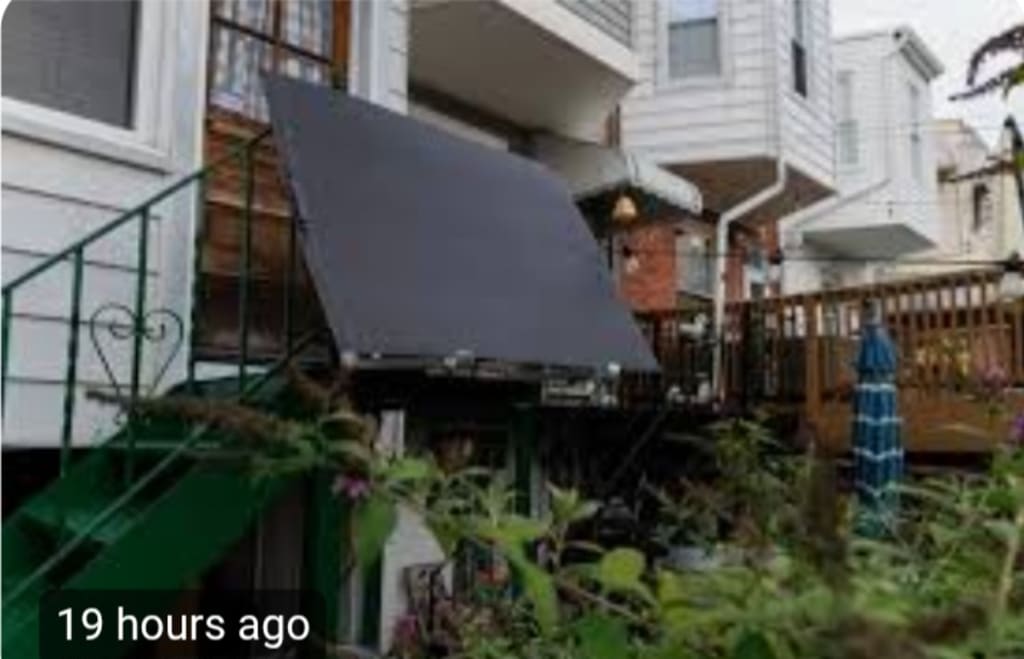
Across the country, state legislatures are considering a new wave of bills that could fundamentally reshape the way electricity is produced, distributed, and consumed. At the heart of these proposals is a simple yet transformative idea: giving individuals, businesses, and communities greater freedom to generate their own electricity. As energy demand rises and concerns over grid reliability, affordability, and environmental sustainability intensify, policymakers are increasingly exploring ways to empower consumers to take control of their energy future.
The movement toward decentralized energy production is not entirely new. Rooftop solar panels, small wind turbines, battery storage systems, and community microgrids have been gradually gaining traction over the past decade. However, regulatory barriers, complex interconnection rules, and limitations on net metering have often slowed progress. Now, several states are weighing legislative reforms designed to remove these obstacles and encourage greater participation in distributed energy generation.
At the core of many proposed bills is the concept of “energy freedom.” Lawmakers argue that consumers should have the right to produce their own electricity without facing excessive fees or restrictive regulations. Supporters contend that just as homeowners can grow their own food or collect rainwater in certain jurisdictions, they should also be allowed to harness renewable energy sources to power their homes and businesses.
One of the primary mechanisms under discussion is expanded net metering. Net metering policies allow customers who generate their own electricity—typically through solar panels—to feed excess power back into the grid in exchange for credits on their utility bills. In states where net metering policies are strong and transparent, rooftop solar adoption has grown rapidly. However, in other regions, caps on participation or reduced compensation rates have limited growth. The new legislative proposals aim to standardize and strengthen these policies to make self-generation more financially viable.
In addition to net metering reforms, some states are considering measures that would streamline permitting and reduce interconnection delays. Installing renewable energy systems often involves navigating a maze of local approvals, utility inspections, and compliance requirements. While these processes are intended to ensure safety and reliability, critics argue that they can be unnecessarily burdensome. By simplifying these procedures, lawmakers hope to lower entry barriers and accelerate clean energy deployment.
Energy storage is another critical component of the proposed changes. Advances in battery technology have made it possible for households and businesses to store excess electricity for use during peak demand hours or power outages. Proposed legislation in several states includes incentives for battery storage systems, recognizing their role in enhancing grid resilience. When combined with distributed generation, storage systems can reduce strain on centralized power plants and help stabilize the grid during extreme weather events.
Proponents of the bills highlight economic benefits as a key motivation. By enabling consumers to generate their own electricity, states can stimulate local job creation in installation, maintenance, and manufacturing sectors. The renewable energy industry has already become a significant source of employment in many regions, and expanded self-generation policies could further boost economic activity. Moreover, reducing reliance on imported fuels may strengthen energy security and keep more energy dollars within local economies.
Environmental considerations also play a central role in the legislative push. As states strive to meet ambitious climate targets and reduce greenhouse gas emissions, distributed renewable energy offers a practical solution. Solar and wind systems produce electricity without emitting carbon dioxide, helping to mitigate climate change and improve air quality. Encouraging self-generation aligns with broader sustainability goals and demonstrates a commitment to cleaner energy sources.
However, the proposed reforms are not without controversy. Utility companies and some policymakers have raised concerns about the financial implications of widespread self-generation. They argue that maintaining the grid requires substantial investment, and if a growing number of customers generate their own electricity, the cost burden could shift to those who remain fully dependent on traditional utilities. Critics warn that poorly designed policies could create inequities or destabilize existing revenue models.
To address these concerns, some bills include provisions for fair cost-sharing mechanisms. These measures aim to ensure that self-generating customers contribute appropriately to grid maintenance while still benefiting from their investments in renewable energy. Lawmakers are seeking a balanced approach that supports innovation without undermining grid reliability.
Consumer advocacy groups have largely welcomed the legislative efforts, emphasizing the importance of energy choice. They argue that empowering individuals to produce their own electricity enhances competition and encourages utilities to improve service quality. In regions where power outages or rate hikes have caused public frustration, the promise of greater autonomy is particularly appealing.
The broader implications of these bills extend beyond individual households. Schools, hospitals, farms, and small businesses could all benefit from greater flexibility in energy production. Community solar projects, in which multiple participants share the benefits of a single renewable energy installation, are also gaining attention. Such initiatives can expand access to clean energy for renters and low-income households who may not have suitable rooftops for solar panels.
Technological innovation is further accelerating the shift toward decentralized energy. Smart meters, advanced inverters, and digital energy management systems enable seamless integration of distributed resources into the grid. As technology continues to evolve, the line between energy producer and consumer—often referred to as the “prosumer” model—is becoming increasingly blurred.
Ultimately, the debate unfolding in state legislatures reflects a broader transformation in the energy sector. Traditional centralized power systems, dominated by large utility-scale plants, are gradually giving way to more flexible, distributed models. While challenges remain, the momentum behind self-generation policies signals a growing recognition that consumers want—and increasingly expect—greater control over their energy choices.
If enacted, the new bills could mark a significant milestone in the evolution of energy policy. By removing regulatory barriers, expanding incentives, and promoting fair cost structures, states have the opportunity to foster a more resilient, sustainable, and consumer-driven electricity system.
As the legislative process moves forward, the outcome will likely shape the future of energy for years to come. Whether through rooftop solar panels, community microgrids, or advanced storage solutions, the ability to make your own electricity may soon become less of a niche option and more of a mainstream reality. For millions of citizens, that shift could represent not only lower utility bills but also a powerful step toward energy independence and environmental responsibility.
About the Creator
Keep reading
More stories from Ayesha Lashari and writers in The Swamp and other communities.
PTCL Surpasses Competition to Become Pakistan’s Leading Fixed Network Provider
Pakistan Telecommunication Company Limited (PTCL) has emerged as the leading fixed network provider in Pakistan, outpacing its competitors through sustained investment, technological innovation, and a strong focus on customer satisfaction. In an increasingly competitive telecommunications landscape, where digital connectivity has become essential for economic growth and social development, PTCL’s remarkable rise to the top reflects not only corporate resilience but also a forward-looking strategy aligned with the country’s digital ambitions.
By Ayesha Lashari3 days ago in The Swamp
Why Black History Matters in America?
The United States of America is celebrating their 250th anniversary in 2026. I'm proud to be an American and as someone who was born here, I wouldn't imagine myself living anywhere else. This is a country where opportunities are possible. Where anyone can be successful in anything they desire to do. Equality, community, and togetherness are the backbones of what America is and should be about. However, we have an administration who wants to erase and disregard those who have made positive, meaningful impacts in our country, specifically Black figures, such as Martin Luther King, Jr., Rosa Parks, and Maya Angelou. President Trump and his administration have been constantly complaining and fighting against what they call the "Woke agenda". They use this excuse as a distraction from other issues they refuse to address, such as the high cost of living, climate change, and inflation. That equality is dividing America, when in reality, it's bringing us together. Being woke is not tied to a specific political party. No matter where you stand on the political spectrum, you can still care about other people and their plights. Compassion and empathy for others isn't tied to a political party, either. We were taught as children to treat others the way we want to be treated and not judge others because they're different from us. Caring about others isn't a personal attack on your beliefs. It doesn't make you any less of a person. People who are easily offended over African American figures, past or present, or anything related to it, are grasping at straws. Current and future generations need to know who people like Harriet Tubman and Shirley Chisholm were, especially in the classroom. Black History is part of American History. It should be recognized, not hidden or forgotten. Besides, you can't shield children from everything, just because your feelings are easily hurt.
By Mark Wesley Pritchard 13 days ago in The Swamp



Comments
There are no comments for this story
Be the first to respond and start the conversation.