
Canada’s Power Grid Under Pressure as Rising Demand Triggers Watchdog Warning
A national energy watchdog warns that growing electricity demand could strain Canada’s aging power infrastructure, raising concerns about reliability and future energy security.
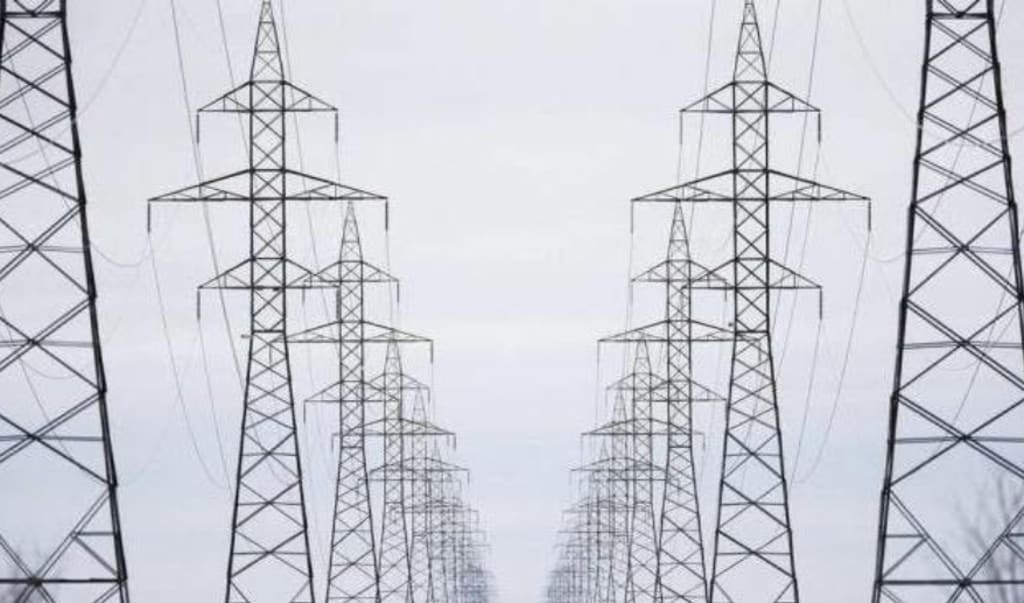
Canada’s Power Grid Under Pressure as Rising Demand Triggers Watchdog Warning
Canada’s electricity system is facing increasing strain as rising demand pushes the country’s power grid closer to its limits, according to a new warning from a national energy watchdog. As more households, industries, and electric vehicles rely on electricity, experts fear that Canada’s aging infrastructure may struggle to keep up with future energy needs.
The warning highlights a critical moment for Canada’s energy sector, as the nation accelerates its transition toward cleaner energy while trying to maintain reliable and affordable power for millions of citizens.
Rising Demand Driving the Pressure
Electricity demand in Canada is growing faster than ever. Several factors are contributing to this surge, including population growth, expanding industries, and the rapid adoption of electric vehicles and electric heating systems.
As Canada pushes toward its climate goals, many homes and businesses are switching from fossil fuels to electricity. While this transition is positive for reducing carbon emissions, it also places a significant burden on the power grid.
Experts warn that without major upgrades and investments, Canada’s current electricity infrastructure may not be able to handle the increased load, especially during peak demand periods.
Aging Infrastructure Raises Concerns
Much of Canada’s power grid was built decades ago, and some components are reaching the end of their operational lifespan. Aging transmission lines, outdated substations, and limited energy storage capacity could lead to outages, inefficiencies, and higher costs for consumers.
The watchdog report suggests that some regions could face reliability risks if demand continues to grow without sufficient upgrades. In extreme cases, power shortages or rolling blackouts could become more frequent, particularly during harsh winter or summer conditions when energy use spikes.
Renewable Energy and Grid Challenges
Canada is expanding renewable energy sources such as wind, solar, and hydroelectric power to reduce emissions and meet climate targets. However, integrating renewable energy into the grid presents its own challenges.
Renewable energy sources are often intermittent, meaning they do not produce power consistently throughout the day. This variability requires advanced grid management systems, energy storage solutions, and backup power sources to ensure a stable electricity supply.
Without these technologies, the grid may struggle to balance supply and demand, increasing the risk of disruptions.
Electric Vehicles and Electrification Boom
One of the biggest drivers of rising electricity demand is the electrification of transportation. Electric vehicles (EVs) are becoming more popular across Canada as the government offers incentives and promotes cleaner transportation options.
However, widespread EV adoption could significantly increase electricity consumption, especially if many vehicles are charged during peak hours. Experts say that smart charging systems and time-based pricing could help reduce pressure on the grid, but these solutions require investment and public awareness.
Similarly, electric heating systems, such as heat pumps, are replacing gas-powered heating in many homes. While they reduce greenhouse gas emissions, they also increase electricity consumption, especially during cold winters.
Economic and Social Impacts
A strained power grid can have serious economic and social consequences. Power outages can disrupt businesses, healthcare facilities, and essential services, while rising electricity costs can burden households.
Industries that rely on stable electricity, such as manufacturing and data centers, could face operational challenges if the grid becomes unreliable. This could affect Canada’s economic growth and competitiveness in the global market.
For everyday Canadians, electricity price hikes could increase the cost of living, making it harder for families to manage expenses.
Government and Industry Response
The watchdog’s warning has prompted calls for urgent action from policymakers, utilities, and private companies. Experts recommend investing in grid modernization, expanding transmission capacity, and developing large-scale energy storage systems.
Governments may also need to introduce policies that encourage energy efficiency, demand management, and smart grid technologies. Public-private partnerships could play a crucial role in financing large infrastructure projects.
Additionally, educating consumers about energy conservation and off-peak usage could help reduce stress on the grid.
The Path Forward
Canada’s power grid stands at a crossroads. While the transition to clean energy is essential for combating climate change, it must be supported by a robust and modern electricity system.
Investing in infrastructure today could prevent major disruptions in the future and ensure that Canada’s energy transition is both sustainable and reliable. The watchdog’s warning serves as a reminder that energy security is a critical part of national resilience.
Conclusion
The national watchdog’s warning about Canada’s power grid highlights the urgent need for modernization and strategic planning. As electricity demand continues to rise due to electrification, renewable energy expansion, and population growth, Canada must act quickly to strengthen its power infrastructure.
Failing to address these challenges could lead to reliability issues, higher costs, and economic disruptions. However, with the right investments and policies, Canada has the opportunity to build a resilient, sustainable, and future-ready power grid that supports its climate goals and growing energy needs.
About the Creator
Why Black History Matters in America?
The United States of America is celebrating their 250th anniversary in 2026. I'm proud to be an American and as someone who was born here, I wouldn't imagine myself living anywhere else. This is a country where opportunities are possible. Where anyone can be successful in anything they desire to do. Equality, community, and togetherness are the backbones of what America is and should be about. However, we have an administration who wants to erase and disregard those who have made positive, meaningful impacts in our country, specifically Black figures, such as Martin Luther King, Jr., Rosa Parks, and Maya Angelou. President Trump and his administration have been constantly complaining and fighting against what they call the "Woke agenda". They use this excuse as a distraction from other issues they refuse to address, such as the high cost of living, climate change, and inflation. That equality is dividing America, when in reality, it's bringing us together. Being woke is not tied to a specific political party. No matter where you stand on the political spectrum, you can still care about other people and their plights. Compassion and empathy for others isn't tied to a political party, either. We were taught as children to treat others the way we want to be treated and not judge others because they're different from us. Caring about others isn't a personal attack on your beliefs. It doesn't make you any less of a person. People who are easily offended over African American figures, past or present, or anything related to it, are grasping at straws. Current and future generations need to know who people like Harriet Tubman and Shirley Chisholm were, especially in the classroom. Black History is part of American History. It should be recognized, not hidden or forgotten. Besides, you can't shield children from everything, just because your feelings are easily hurt.
By Mark Wesley Pritchard 8 days ago in The Swamp
Buried for 33 Years: The Untold Stories of Forgotten History
History, in its vastness and complexity, has a way of burying certain events, individuals, and narratives under the weight of time. These stories, once hidden, forgotten, or suppressed, are often left to rest for decades before finally being rediscovered, like treasures unearthed after a long sleep. One such story, buried for 33 years, is a reminder of how much history can be lost, intentionally or by circumstance, and how its rediscovery can shift our understanding of the world.
By Ayesha Lashari7 days ago in The Swamp




Comments
There are no comments for this story
Be the first to respond and start the conversation.