
Starmer Rejects Binary Choice: UK Will Not Be Forced to Choose Between the US or China
As he prepares for a landmark visit to Beijing, British Prime Minister Keir Starmer emphasizes economic pragmatism and strategic autonomy — while navigating domestic and international pressures.
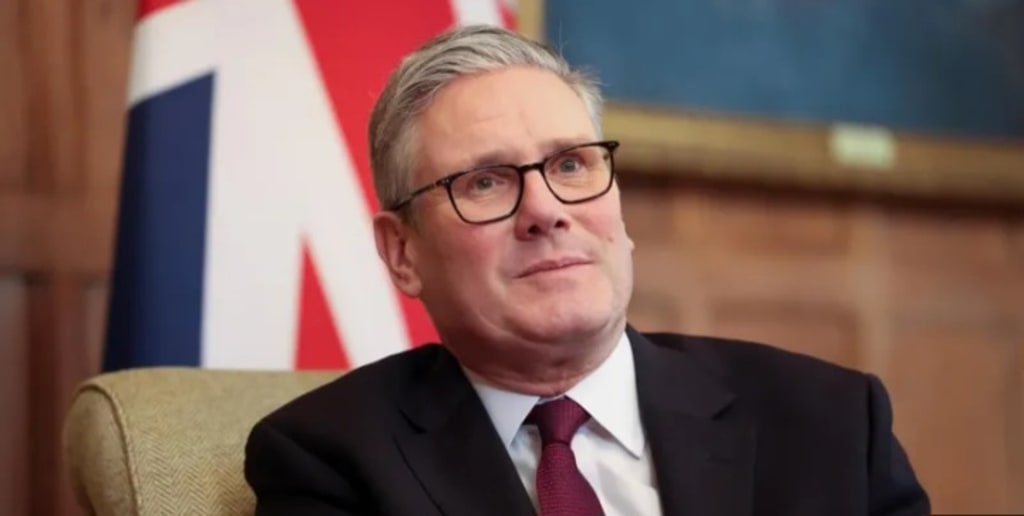
British Prime Minister Sir Keir Starmer has made clear that the United Kingdom will not be forced to choose between the United States and China — two of the world’s most powerful and influential nations — as he prepares for his first official trip to Beijing in eight years. Starmer’s remarks, delivered in a wide‑ranging interview ahead of the visit, signal a defining moment in British foreign policy amid intensifying global geopolitical competition. �
Yahoo Finance +1
In what has become a central refrain of his government’s approach to foreign affairs, Starmer emphasised that the UK can pursue strong relationships with both the US and China without sacrificing its core security interests or strategic alliances. “I’m often invited to simply choose between countries. I don’t do that,” he told Bloomberg at 10 Downing Street. “We’ve got very close relations with the US — of course we want to — and we will maintain that business, alongside security and defense. Equally, just sticking your head in the sand and ignoring China, when it’s the second‑biggest economy in the world and there are business opportunities wouldn’t be sensible.” �
Yahoo Finance
Starmer’s comments underscore a broader shift in London’s diplomatic calculus: embracing what his government calls a “pragmatic, hard‑headed realism” that balances economic opportunity with security imperatives. This approach comes as China’s economic influence continues to grow, while relations with the United States — though historically close — face strains due to policy disagreements and unpredictability under the administration of President Donald Trump. �
Reuters +1
A Visit Charged with Symbolism and Stakes
The prime minister’s visit to China — the first by a British leader since Theresa May travelled to Beijing in 2018 — carries both symbolic and practical significance. Starmer is set to meet Chinese leaders, including President Xi Jinping, and travel with a high‑level delegation of British business figures representing sectors from pharmaceuticals to finance. Reports indicate that chief executives from major firms such as AstraZeneca may join, highlighting the UK government’s emphasis on economic partnership. �
Reuters
For Starmer, the trip is part of a broader effort to enhance economic ties with countries across the world, from China and India to the European Union. Officials have pitched the visit as an opportunity to reset diplomatic relations after years of turbulence — including disputes over Hong Kong, COVID‑19 origins, espionage concerns, and a controversial decision to approve a large Chinese embassy in London. �
Yahoo Finance
At the same time, the trip comes against a backdrop of intensifying US‑China rivalry, particularly in trade, technology, and security. Recent months have seen heightened tensions between the US and its allies, with tariff threats and sharp rhetoric contributing to unease in Western capitals. For instance, Trump threatened tariffs against Canada after its prime minister’s own engagement with Beijing, and levied threats against European nations over Greenland — a dispute that prompted Starmer to rebuke the US president publicly. �
AOL +1
The Challenge of Strategic Balance
Starmer’s refusal to choose between the US and China reflects a conscious strategy to pursue what he calls “the best of both worlds”: maintaining a robust security alliance with the US — including defense cooperation and shared intelligence — while also expanding economic engagement with the world’s second‑largest economy. “That does not mean compromising on national security — quite the opposite,” he said, noting that British companies accompanying him to China understand the opportunities that exist. �
AOL
Yet this balancing act is not without controversy or skepticism. Critics warn that closer engagement with Beijing could risk elevating national security threats, particularly in areas such as technology, infrastructure, and espionage. Some opposition figures have called for Starmer to be more outspoken on human rights issues and allegations of Chinese spying, especially in light of the government’s prior approval of the new Chinese embassy in central London. �
The Sun
Domestically, voices from both sides of the political spectrum have voiced caution. Conservative critics argue that the prime minister’s approach risks undermining British values and strategic coherence, while others question whether economic rewards from China will materialise in meaningful ways. Internationally, analysts note that the UK, as a mid‑sized power, must navigate a multipolar world where rigid alliances are increasingly tested by shifting economic and strategic realities. �
The Guardian
Reactions from Beijing and Washington
Chinese officials have welcomed the planned visit and expressed willingness to strengthen economic cooperation with the UK. A spokesperson for the Chinese Foreign Ministry stated that enhanced exchanges between the two nations would not only benefit the countries themselves but contribute to global stability in a “turbulent and volatile world.” �
Global Times
In Washington, reactions to Starmer’s stance have been mixed. While the enduring “special relationship” between the United Kingdom and the United States remains a pillar of transatlantic stability, recent policy disagreements — from trade disputes to rhetorical clashes — have complicated perceptions. Starmer’s public rebukes of US actions on issues like Greenland and comments on NATO have signalled that London is willing to assert its independence when necessary. �
WSLS
A New UK Foreign Policy Posture?
Starmer’s declaration that the UK will not be forced to choose between the US and China reflects a broader re‑evaluation of Britain’s role on the global stage. It suggests a departure from binary choices often posed by geopolitical rivalry, favouring a more nuanced posture that seeks both alliances and opportunities. Whether this strategy will yield long‑term diplomatic and economic benefits remains a subject of debate among policymakers and analysts alike.
As the prime minister embarks on his journey to Beijing, observers around the world will be watching closely to see how this balancing act plays out in practice — and whether it can redefine the UK’s place in an era of rising global tension and competition.
About the Creator
Keep reading
More stories from Ayesha Lashari and writers in The Swamp and other communities.
Ground Rent Cap Set to Transform Leasehold Market in England and Wales
The government of England and Wales is poised to announce a major policy to cap ground rents on existing leasehold properties, with far-reaching implications for millions of homeowners trapped in one of the most criticised aspects of the UK housing market. �
By Ayesha Lashariabout 10 hours ago in The Swamp
Classic Toyota Corolla AE86 Gets Modern Rebirth
The Toyota Corolla AE86, a car synonymous with drifting culture, street racing, and Japanese automotive history, is getting a modern revival. Known for its lightweight design, rear-wheel-drive layout, and agile handling, the AE86 has earned a cult following over the decades. Now, Toyota enthusiasts can rejoice as the company breathes new life into this classic with a modern update, combining timeless design cues with contemporary performance and technology.
By Aarif Lashari7 days ago in The Swamp
Guns in homeless housing
In the past several months, I have seen three guns in the apartments of the building I live in, Fusion Studios, which is permanent supportive housing for people experiencing homelessness. This sort of alarmed me because many people who live here suffer from mental illness or addiction. But the truth is, because residents here have signed a lease and the building receives federal funding, they are allowed to own guns.
By David Heitz4 days ago in The Swamp




Comments
There are no comments for this story
Be the first to respond and start the conversation.