
Spinach Farming in India
A Step-By-Step Guide

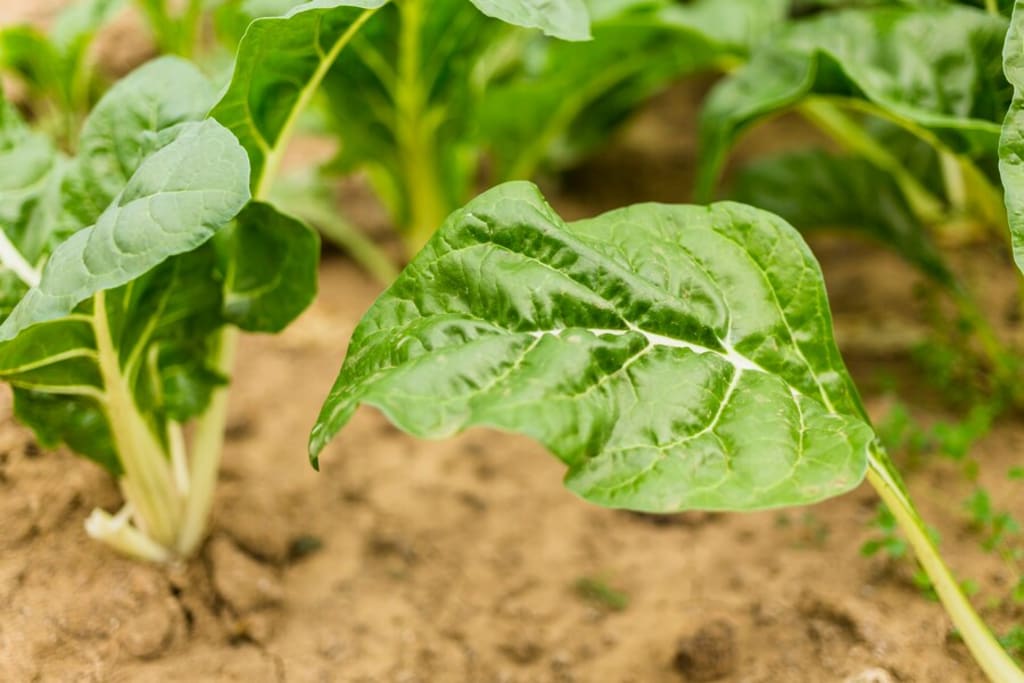
Spinach is one of the most nutritious leafy vegetables, which are not only tasty but also rich in nutrients. It has soft, dark green leaves, which are used in various dishes, from fresh salads to savoury soups. Tender, soft, and with a peculiarly mild yet slightly earthy flavour, spinach is adaptable and convenient to add to numerous meals-either for blending into a smoothie or using in a pasta dish.
Besides its delicious taste, spinach is famous for being very healthy; it contains a great deal of vitamins A and C, iron, and antioxidants. It is also rather low in calories, so it is always ideal for inclusion in a normal healthy diet. Whether you're a beginner or a skilled farmer, you can grow spinach easily.
Here is a complete guide to spinach cultivation in India.
Health Benefits of Spinach:
Spinach is packed with many health benefits. Adding spinach to your diet can contribute to overall good health and well-being. You can read about the health benefits of spinach below.
- Supports immune system
- Good for digestive health
- Rich in iron
- Lower blood pressure
- Low in calories
- Good for bone health
- Have anti-cancer properties
- Lower the chances of cognitive decline
6 Leading Spinach Producing States in India:
Spinach is grown in every part of India and thrives in regions with the right climate and soil conditions. Due to its popularity, fresh spinach is easily available in local markets and forms a healthy addition to many meals. Here are the top growing states of this leafy vegetable.
- Andhra Pradesh
- Telangana
- Kerala
- Tamil Nadu
- Uttar Pradesh
- Karnataka
Spinach Farming Steps:
Spinach farming involves preparing the soil, planting seeds, and caring for the plants that grow from those seeds. Farmers ensure spinach receives a good amount of water and nutrients, gradually developing into fresh green leaves ready to be harvested. Here are the complete details of these steps.
Weather Requirements:
Spinach is a cool-season crop that is excellent to plant in spring and fall. The ideal temperature for spinach to perform well is between 10°C —21°C. At extremely high temperatures, the plants tend to bolt or go to seed prematurely. For this reason, spring spinach needs to be planted early, and summer spinach needs to be planted late to avoid exceedingly hot temperatures.
Soil Preparation:
Spinach prefers growing in well-drained, rich soil. The farmers get the land ready for spinach by picking weeds, removing rocks, or adding compost and aged manure. Most farmers prepare their soil using a mini tractor because such equipment makes their job both easy and fast. This will help in tilling and mixing the soil properly so that it creates a good environment for the spinach plants to grow. The ideal soil pH for spinach lies between 6.0 and 7.0, which is slightly acidic to neutral.
Plantation:
Farmers sow spinach seeds directly into the prepared soil, planting them about 1 inch apart in rows spaced 12 to 18 inches apart. They often make plantings every few weeks to ensure a continuous harvest. Planting can begin as soon as the soil is workable in the spring or late summer for a fall crop. This also allows proper spacing between seeds so that each plant will get enough light and air to reduce any chance of disease.
Irrigation:
Spinach needs consistent soil moisture for growth. Farmers practice irrigation systems like drip irrigation or sprinklers to keep the soil constantly moist. However, too much water application results in root rot; therefore, one has to be cautious about the moisture content in the soil.
Pest and Disease Control:
The major pests that attack the plant are aphids and caterpillars, and it is also vulnerable to downy mildew. Farmers employ natural predators and organic pesticides to control the pests. Significant methods of controlling disease include crop rotation and good hygiene practices in the garden.
Harvesting:
It generally takes 6 to 8 weeks for spinach to be ready from planting. Growers should pick the Spinach when the leaves are young and tender. Many farmers have the practice of harvesting the outer leaves by cutting them so that the inner leaves keep growing, thereby prolonging the harvest period.
Post-Harvesting:
After harvesting, growers clean the spinach leaves of all dirt and debris. They then rapidly cool the leaves to retain freshness for a longer period. Most farmers use a Swaraj tractor for post-harvest processing, which assists in handling and packing the spinach efficiently.
The Final Words:
Spinach farming in India is thriving thanks to the country's favourable climate, especially in cooler regions during spring and fall. Preparation of soil, sowing of seeds, proper irrigation, and effective pest management are done to get healthy, superior-quality spinach. Through these methods, farmers can successfully grow and harvest fresh spinach crops to cater to the local demand and contribute to the country's vegetable industry.
About the Creator
Rajendra_Singh
I'm a agriculture blogger, who loves sharing my knowledge about growing things. On my blog, you'll find practical tips and interesting stories to help you get started!
Keep reading
More stories from Rajendra_Singh and writers in The Swamp and other communities.
Basil Farming in India
A popular herb with green plants and leaves used as a seasoning herb around the globe is known as Basil. It is gradually becoming popular in India because of its versatility. This herb is commonly used in Italian recipes and is now slowly making its way into Indian kitchens as well. Basil (Ocimum basilicum) is easy to grow and useful in different ways, from food to medicines.
By Rajendra_Singh2 years ago in The Swamp
The Saddest Thing - The Billionaires Who Rule America Aren't Even Enjoying Themselves
This single post says more about our ruling class than a thousand policy papers. The saddest thing about today's system is that the men robbing the rest of us - sabotaging our economic prospects, our pensions, our access to affordable healthcare - are not even happy.
By Scott Christenson🌴28 days ago in The Swamp
Automotive Robotics Market Size and Forecast 2026–2034
The global automotive industry is undergoing one of the most transformative decades in its history. Electrification, digitalization, customization, and advanced safety standards are reshaping how vehicles are designed and produced. At the heart of this industrial evolution lies robotics.
By Sakshi Sharma3 days ago in The Swamp




Comments
There are no comments for this story
Be the first to respond and start the conversation.