
Speculation Mounts: Japan to Buy Yen, Perhaps With US Help
As the yen weakens to multi-decade lows, Japan weighs market intervention—potentially with U.S. support—to stabilize its currency and protect the economy

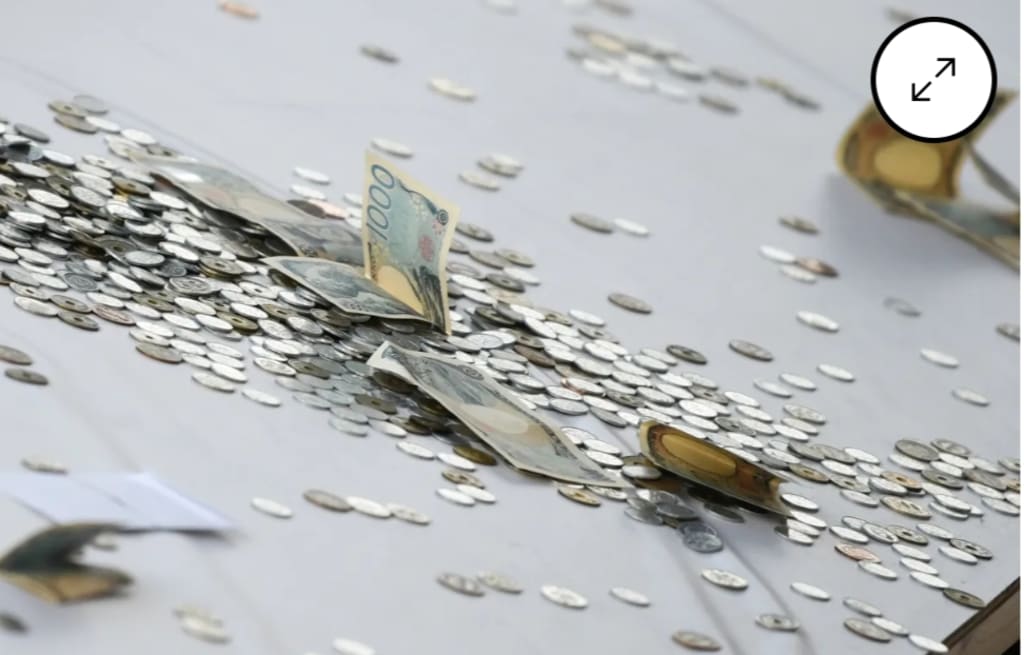
Amid a weakening currency and global market turbulence, Japan considers intervention to stabilize the yen, possibly with coordinated action from the United States
Speculation is intensifying in financial markets that Japan may soon step in to support the yen, which has weakened sharply against the U.S. dollar in recent months. Traders, analysts, and policymakers are closely monitoring the situation, as a sustained decline in the yen threatens to disrupt the Japanese economy, stoke inflation, and create volatility in global financial markets. Reports suggest that Japan could seek assistance or coordination with the United States, reminiscent of past interventions to stabilize key currencies.
The Yen’s Recent Struggles
The Japanese yen has been under significant pressure, falling to multi-decade lows against the U.S. dollar. Several factors are driving the depreciation, including divergent monetary policies, Japan’s slow economic growth, and global risk sentiment favoring the dollar. The Bank of Japan (BoJ) has maintained an ultra-loose monetary policy, keeping interest rates near zero or negative, while the Federal Reserve has continued raising rates to combat inflation. This policy gap makes Japanese assets relatively less attractive to investors, further weakening the yen.
A weaker yen can be a double-edged sword. On one hand, it can benefit Japan’s export-oriented economy by making goods cheaper for foreign buyers. On the other hand, it increases the cost of imports, particularly energy and raw materials, which can worsen inflationary pressures. Consumers and businesses may face higher prices, reducing spending and dampening economic growth.
Possible Intervention: Mechanisms and History
Market observers speculate that Japan could intervene directly in currency markets by buying yen and selling dollars. This strategy, known as foreign exchange intervention, is designed to strengthen the yen and curb excessive volatility.
Japan has a history of currency interventions. In the 1990s and early 2000s, coordinated actions with the U.S. helped stabilize the yen during periods of extreme fluctuations. More recently, interventions have been limited but occasionally employed when rapid depreciation threatened financial stability. Coordinating with the U.S. could amplify the impact, providing reassurance to markets that a major economic bloc is committed to stabilizing the currency.
The Role of the United States
Reports of potential U.S. involvement stem from concerns that an unstable yen could ripple through global markets, affecting trade, investment flows, and financial stability. Historically, the U.S. has supported Japan in times of crisis, viewing a stable yen-dollar exchange rate as beneficial to global trade and economic growth.
Coordination could involve synchronized currency purchases, public statements reinforcing commitment to stability, or policy dialogues to align monetary strategies. Analysts emphasize that any U.S. participation would likely be carefully calibrated to avoid signaling a return to heavy-handed interventions, which could have unintended consequences for markets.
Market Reactions and Speculation
Financial markets have reacted swiftly to speculation of yen intervention. The yen has shown signs of stabilizing, though volatility remains high. Traders are pricing in a range of scenarios, including limited unilateral intervention by Japan, coordinated action with the U.S., or a continuation of current trends without intervention.
Equity markets, bond yields, and commodity prices are all sensitive to yen movements. A sudden strengthening of the yen could benefit import-heavy sectors but may weigh on exporters. Conversely, failure to stabilize the currency could prolong uncertainty and deter investment.
Economic Implications for Japan
For Japan, the timing and scale of intervention are critical. A rapid intervention could provide immediate relief for the yen and reassure investors, but persistent structural issues, such as low growth and demographic challenges, would still need long-term solutions.
Energy prices are a particular concern. Japan imports most of its oil and gas, and a weaker yen inflates import costs, raising inflation and straining household budgets. Stabilizing the currency could help mitigate these pressures and maintain confidence in the economy.
Risks and Criticisms
While intervention can stabilize the currency in the short term, it is not without risks. Misjudged timing or insufficient scale may fail to reverse trends, potentially undermining credibility. Overreliance on intervention could also reduce incentives for structural reforms, leaving the economy vulnerable to future shocks.
Some economists argue that Japan should focus on long-term solutions, such as boosting productivity, addressing demographic challenges, and gradually adjusting monetary policy, rather than relying solely on short-term currency maneuvers.
Looking Ahead
Speculation over Japan’s potential yen purchase, possibly with U.S. support, underscores the interconnectedness of global financial markets. Investors, policymakers, and businesses are watching closely, recognizing that currency stability is crucial not only for Japan but for global trade and financial flows.
Whether Japan moves unilaterally or seeks international coordination, the coming weeks will be critical in determining the trajectory of the yen and the broader economic impact. Markets are bracing for action, and the world will be watching how Japan navigates this delicate balancing act between stabilizing its currency and managing broader economic challenges.
About the Creator
Keep reading
More stories from Salaar Jamali and writers in The Swamp and other communities.



Comments
There are no comments for this story
Be the first to respond and start the conversation.