
Sleeper Cells and Lone Attackers: Security Experts Brace for More Violence at Home
As global conflicts and extremist ideologies spread online, analysts warn that domestic security threats may increasingly come from hidden networks and individuals acting alone.
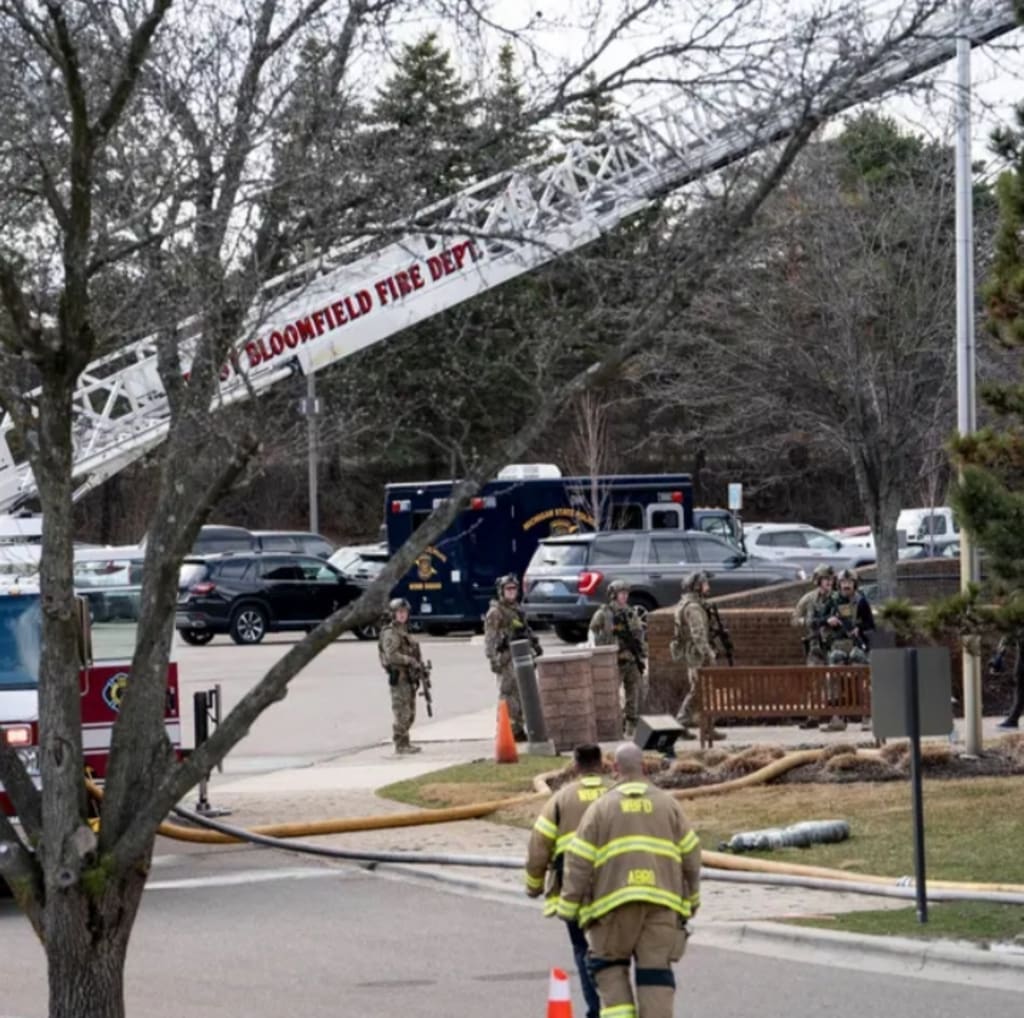
Security experts across several countries are expressing growing concern about the rising risk of domestic attacks carried out by sleeper cells and lone attackers. As geopolitical tensions escalate in various parts of the world and extremist ideologies circulate widely through digital platforms, analysts warn that the next wave of violence could emerge not from organized armies abroad but from individuals or small groups operating quietly within national borders.
Authorities say the changing nature of modern threats has made preventing attacks significantly more difficult. Unlike traditional organized networks, sleeper cells and lone attackers can remain undetected for long periods of time, blending into everyday life until the moment they decide to act.
For governments and law enforcement agencies, this evolving security landscape presents new challenges that require different strategies, technologies, and community cooperation.
Understanding Sleeper Cells
The term “sleeper cell” refers to a small group of individuals who secretly live within a community while maintaining allegiance to an extremist organization or hostile network. These cells may remain inactive for months or even years, waiting for instructions or the right opportunity to carry out an attack.
Historically, sleeper cells have been associated with international terrorist groups that operate across borders. Members often live seemingly ordinary lives, working regular jobs and interacting with neighbors while quietly preparing for potential operations.
Because sleeper cells can remain dormant for long periods, they are particularly difficult for intelligence agencies to detect. Unlike active militant groups that communicate frequently or move large amounts of resources, sleeper cells often operate with minimal contact and limited activity until the moment they are activated.
This makes traditional surveillance methods less effective.
The Rise of Lone Attackers
Alongside sleeper cells, security experts are increasingly concerned about lone attackers—individuals who plan and carry out acts of violence without direct operational support from an organized group.
These individuals are sometimes referred to as “lone wolves,” although the term can be misleading. While they may act alone, many are influenced by online propaganda, extremist forums, or ideological communities that encourage violence.
The rise of social media and encrypted messaging platforms has made it easier for extremist ideas to spread quickly across borders. Individuals who feel isolated, angry, or radicalized may consume such content and become convinced that violence is justified or necessary.
Because lone attackers often plan independently, they may leave fewer traces for intelligence agencies to detect compared with coordinated groups.
A Changing Security Environment
The global security environment has changed dramatically in the past two decades. In earlier eras, terrorism threats were often linked to well-organized groups with identifiable leadership structures.
Today, extremist movements have become more decentralized. Ideological messages can travel instantly online, reaching individuals in distant countries who may never meet each other in person but share similar beliefs.
Security analysts warn that this decentralization makes threats harder to predict. Without centralized leadership issuing orders, individuals may act spontaneously or based on personal motivations.
In some cases, attackers choose targets that symbolize political, religious, or cultural significance. In others, they target crowded public spaces simply because such locations allow them to cause widespread fear and disruption.
Technology and Radicalization
Technology plays a major role in the spread of extremist ideologies. Online platforms allow individuals to access propaganda materials, training guides, and ideological manifestos with relative ease.
Algorithms that recommend content based on previous viewing habits can sometimes amplify exposure to radical material. Individuals who begin exploring controversial topics may gradually encounter more extreme viewpoints.
Encrypted communication tools also present challenges for law enforcement agencies. While such technologies are designed to protect privacy, they can also make it more difficult for authorities to monitor conversations that might indicate plans for violence.
At the same time, technology also provides tools that security agencies use to detect threats, including advanced data analysis and artificial intelligence systems designed to identify suspicious patterns.
Preventing Domestic Attacks
Preventing attacks carried out by sleeper cells or lone individuals requires a combination of intelligence gathering, community engagement, and international cooperation.
Law enforcement agencies often rely on information from local communities to identify potential threats early. Friends, family members, or coworkers may notice changes in behavior or signs of radicalization before authorities do.
Programs aimed at preventing violent extremism focus on early intervention. These initiatives often involve educators, religious leaders, mental health professionals, and community organizations working together to address the underlying factors that can lead individuals toward radical ideologies.
Experts emphasize that prevention efforts must balance security concerns with the protection of civil liberties. Excessive surveillance or discrimination can undermine public trust and make communities less willing to cooperate with authorities.
The Psychological Dimension
Understanding the motivations of lone attackers is another crucial part of preventing violence. Research suggests that individuals who carry out such attacks often experience a combination of personal grievances, ideological beliefs, and psychological factors.
Some attackers view their actions as a form of revenge or protest against perceived injustices. Others seek recognition or notoriety, believing that violent acts will give them attention or meaning.
Psychologists and security specialists argue that addressing social isolation, mental health issues, and online radicalization can help reduce the risk of such individuals turning to violence.
This approach requires collaboration between public institutions and private organizations, including technology companies that host online platforms.
The Role of Public Awareness
Public awareness also plays an important role in preventing attacks. Governments often encourage citizens to report suspicious activity through national security hotlines or local police channels.
However, experts caution that vigilance should not lead to fear or discrimination. Most individuals who express controversial opinions or engage in unusual behavior do not pose a genuine threat.
Responsible reporting and careful investigation are essential to avoid false accusations while still identifying legitimate risks.
Education campaigns that explain how radicalization can occur may help communities recognize warning signs without resorting to panic or prejudice.
Looking Ahead
Security experts believe that the threat posed by sleeper cells and lone attackers will remain a central concern in the coming years. As global conflicts continue and extremist groups adapt to changing circumstances, the nature of security threats is likely to evolve further.
Governments and intelligence agencies must continue developing strategies that combine technological innovation with community partnerships. The goal is not only to respond to attacks but to prevent them before they happen.
Ultimately, protecting societies from violence requires more than surveillance or policing alone. It demands cooperation between governments, communities, technology companies, and individuals.
While the challenge is complex, experts believe that sustained efforts in prevention, education, and intelligence sharing can reduce the risk of domestic violence driven by extremist ideologies.
In a world where threats can emerge quietly from within, awareness and resilience remain essential tools in safeguarding communities and maintaining public safety.
About the Creator
The Forsyth House Fire
Since 1851, Forsyth House has stood on the corner of Union Street and Gordon Street in the heart of Glasgow. Its iconic, or was... because on Sunday 8th of March, 2026, a fire broke out in a small, seemingly un-named shop in the building and tore all that history down. As I write, the rubble is still unsettled and the street is still blocked off. Central Station is quiet on the upper level, and around 30 small businesses have quite literally gone up in smoke.
By S. A. Crawford2 days ago in The Swamp
Could Donald Trump ‘Take Over’ the Strait of Hormuz as Oil Prices Rise?
The Strait of Hormuz has long been one of the most strategically important waterways in the world. Situated between Iran and Oman, the narrow channel connects the Persian Gulf to the Arabian Sea and serves as a critical route for global energy supplies. Roughly one-fifth of the world’s oil passes through this passage every day, making it a focal point for geopolitical tension. As global oil prices rise and security concerns intensify in the region, speculation occasionally resurfaces about whether the United States—or a future administration led by former president Donald Trump—could attempt to assert greater control over the strait. During Trump’s presidency from 2017 to 2021, the Persian Gulf saw several periods of heightened tension. After the United States withdrew from the Joint Comprehensive Plan of Action in 2018, relations between Washington and Tehran deteriorated sharply. Iran responded by gradually stepping away from its nuclear commitments, while the U.S. reimposed sweeping sanctions targeting Iran’s economy and oil exports. These developments heightened concerns about the security of shipping lanes in the Gulf, particularly the Strait of Hormuz. Several incidents during that period underscored the vulnerability of the route. Oil tankers were attacked or seized in the region, and both the United States and Iran accused each other of destabilizing actions. The U.S. Navy increased patrols in the area and organized multinational maritime security missions designed to protect commercial shipping. At times, Trump publicly warned Iran that any attempt to close the strait would provoke a strong military response. Despite such rhetoric, the idea that the United States—or Trump personally—could simply “take over” the Strait of Hormuz is highly unrealistic. The strait lies within the territorial waters of Iran and Oman, and international maritime law governs passage through it. Under the United Nations Convention on the Law of the Sea, ships from all countries enjoy the right of transit through international straits used for navigation. Any attempt by a single country to seize or permanently control such a passage would likely provoke a major international crisis. Still, the United States maintains a significant military presence in the Gulf, largely through the United States Navy and the Fifth Fleet headquartered in Bahrain. These forces are tasked with protecting maritime trade routes and deterring attacks on shipping. While this presence allows Washington to influence security conditions in the region, it does not equate to sovereignty or control over the waterway itself. The strategic importance of the Strait of Hormuz becomes particularly clear when oil prices surge. Countries such as Saudi Arabia, Iraq, Kuwait, and United Arab Emirates rely heavily on the route to export crude oil to global markets. Even the mere threat of disruption can cause energy prices to spike, as traders fear supply shortages. For this reason, any escalation involving Iran, the United States, or regional powers immediately attracts global attention. Analysts note that maintaining open shipping lanes in the Gulf is a shared interest among many countries, including major energy consumers in Asia and Europe. A conflict that seriously disrupted traffic through the strait could send oil prices soaring and trigger widespread economic consequences. If Trump were to return to political power, his approach to Iran and Gulf security would likely shape future debates about the strait. During his presidency, Trump favored maximum economic pressure against Tehran and was willing to use strong rhetoric regarding military deterrence. However, even under such policies, outright control of the Strait of Hormuz remained outside the realm of practical strategy. Ultimately, the Strait of Hormuz will continue to be governed by a complex mix of international law, regional geopolitics, and military deterrence. While political rhetoric may occasionally suggest dramatic scenarios, the reality is that no single nation can easily dominate this vital global energy corridor without risking a far broader conflict.
By Fiaz Ahmed 5 days ago in The Swamp
The First Rainbow Baby
Pitter-patter, pitter-patter. The rain fell in rhythmic splatters, slowly slowing, but still constant. Mira rolled onto her side pulling the blanket tight against her ears, but still she could hear chitter-chatter and scurrying feet of the creatures that refused to sleep in the lower decks.
By A. J. Schoenfeld2 days ago in Fiction


Comments
There are no comments for this story
Be the first to respond and start the conversation.