
Silver rate today: Silver price may correct 75% from peak in two years, say experts
Analysts warn that the white metal’s spectacular rally could be followed by a deep correction as global growth risks, monetary policy shifts, and speculative excesses reshape the silver market.
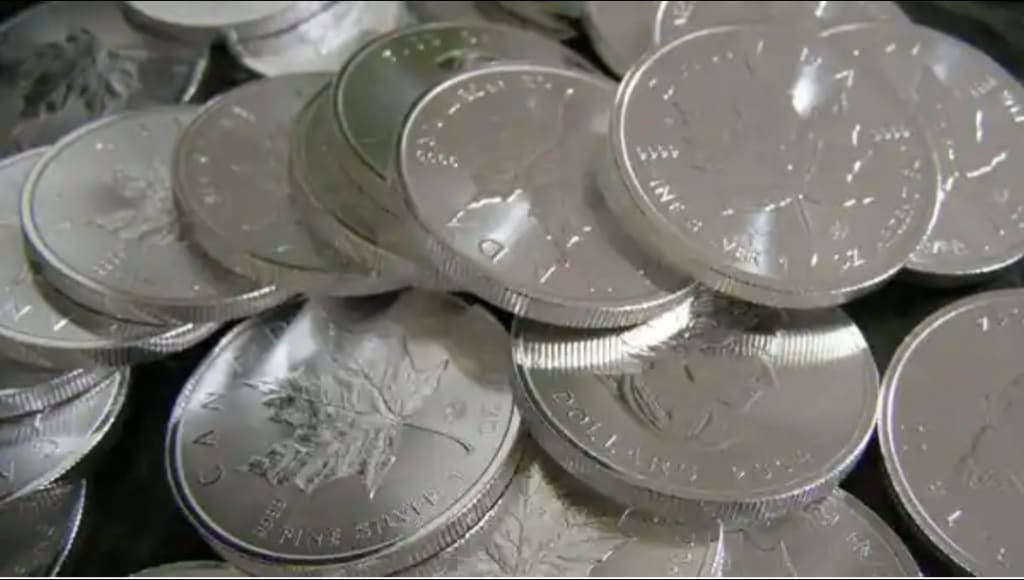
Silver prices have been on a roller-coaster ride over the past few years, thrilling investors with sharp rallies while also reminding them of the metal’s notorious volatility. Now, market experts are sounding a stark warning: silver could correct as much as 75% from its recent peak within the next two years. This forecast has triggered intense debate among traders, long-term investors, and industrial users who rely on silver as both a financial asset and a critical raw material.
A rally built on multiple narratives
Silver’s recent surge has been driven by a rare convergence of factors. On one hand, it has benefited from its traditional role as a safe-haven asset during periods of economic uncertainty, inflation fears, and geopolitical tension. On the other, its industrial demand—particularly from the solar energy, electronics, and electric vehicle sectors—has strengthened the case for silver as a strategic metal for the green transition.
Loose global monetary conditions in recent years have also played a major role. Low interest rates and abundant liquidity pushed investors toward hard assets, including precious metals. Silver, often seen as “gold with leverage,” tends to outperform gold during bullish cycles, attracting speculative inflows that amplify price moves.
However, experts caution that these same forces can reverse quickly.
Why experts foresee a sharp correction
According to market analysts, the risk of a 75% correction stems from three core concerns: macroeconomic normalization, speculative positioning, and structural imbalances in demand and supply expectations.
First, global monetary policy is no longer uniformly accommodative. Central banks in major economies have shifted toward tighter financial conditions to rein in inflation. Higher interest rates increase the opportunity cost of holding non-yielding assets like silver, reducing their appeal to investors. Historically, periods of sustained rate hikes have coincided with corrections in precious metals.
Second, speculative activity in silver futures and exchange-traded products has surged during price rallies. Experts note that when prices become heavily driven by momentum trading rather than fundamentals, the downside risks grow. If sentiment shifts—due to stronger economic data, a firmer US dollar, or falling inflation expectations—these leveraged positions can unwind rapidly, accelerating a sell-off.
Third, while industrial demand for silver remains strong, some forecasts may be overly optimistic. A slowdown in global manufacturing or delays in renewable energy projects could soften demand growth. At the same time, higher prices incentivize increased mining output and recycling, potentially easing supply constraints that had supported prices.
Historical perspective: silver’s boom-bust cycles
Silver’s history offers sobering lessons. Unlike gold, which tends to move in more measured cycles, silver has a track record of dramatic booms followed by equally dramatic busts. After peaking near $50 per ounce in 2011, silver plunged by more than 60% over the following years as monetary stimulus faded and investor enthusiasm cooled.
Experts drawing parallels to past cycles argue that silver’s recent highs may represent another peak driven by a unique but temporary alignment of factors. If inflation moderates and global growth stabilizes, the metal could revert closer to its long-term average price range.
A 75% correction may sound extreme, but analysts point out that silver’s volatility makes such moves statistically plausible, especially when prices detach from underlying fundamentals.
What this means for investors
For investors tracking the silver rate today, the warning is clear: caution is warranted. Short-term traders may still find opportunities in silver’s price swings, but risk management is crucial. Sharp rallies can be followed by sudden declines, particularly in a market dominated by leveraged positions.
Long-term investors, meanwhile, are advised to reassess their exposure. Experts suggest viewing silver as part of a diversified portfolio rather than a standalone bet. Allocations should reflect an investor’s risk tolerance and time horizon, with an understanding that silver prices can remain depressed for extended periods after major corrections.
Some analysts also recommend focusing on staggered buying strategies rather than lump-sum investments, reducing the risk of entering the market at cyclical peaks.
Implications for industrial users and economies
A significant drop in silver prices would not affect only investors. Industrial users could benefit from lower input costs, potentially supporting margins in sectors such as electronics and renewable energy. However, prolonged price weakness could discourage mining investment, setting the stage for future supply constraints once demand rebounds.
For silver-producing countries, price volatility poses fiscal and economic challenges. Sharp corrections can reduce export revenues and strain mining communities, underscoring the importance of stable commodity cycles.
The road ahead
While the forecast of a 75% correction is not a certainty, it highlights the fragile balance underpinning silver’s current valuation. Much will depend on the trajectory of global inflation, interest rates, and economic growth, as well as on how quickly speculative excesses are unwound.
For now, the silver rate today reflects optimism about inflation hedging and industrial demand. But as experts warn, markets rarely move in straight lines. Investors who remember silver’s history know that spectacular highs can be followed by equally painful lows.
In the coming two years, silver may once again test the patience and discipline of those who trade it—proving that in the world of commodities, glittering rallies often carry hidden risks beneath the surface.
About the Creator
Keep reading
More stories from Sadaqat Ali and writers in The Swamp and other communities.
A 220-Meter-Deep Hole from an Old Iron Mine Is Now a Turquoise Lake with Plans to Store the Largest Clean Energy in the Country
What was once a vast, echoing void carved deep into the earth by decades of iron mining has taken on a startling new identity. A 220-meter-deep pit, abandoned after the ore ran dry, is now filled with striking turquoise water—and is poised to become one of the largest clean-energy storage projects in the country. The transformation reflects a growing global trend: turning the relics of fossil-era industry into pillars of a low-carbon future.
By Sadaqat Aliabout 14 hours ago in The Swamp
Why Black History Matters in America?
The United States of America is celebrating their 250th anniversary in 2026. I'm proud to be an American and as someone who was born here, I wouldn't imagine myself living anywhere else. This is a country where opportunities are possible. Where anyone can be successful in anything they desire to do. Equality, community, and togetherness are the backbones of what America is and should be about. However, we have an administration who wants to erase and disregard those who have made positive, meaningful impacts in our country, specifically Black figures, such as Martin Luther King, Jr., Rosa Parks, and Maya Angelou. President Trump and his administration have been constantly complaining and fighting against what they call the "Woke agenda". They use this excuse as a distraction from other issues they refuse to address, such as the high cost of living, climate change, and inflation. That equality is dividing America, when in reality, it's bringing us together. Being woke is not tied to a specific political party. No matter where you stand on the political spectrum, you can still care about other people and their plights. Compassion and empathy for others isn't tied to a political party, either. We were taught as children to treat others the way we want to be treated and not judge others because they're different from us. Caring about others isn't a personal attack on your beliefs. It doesn't make you any less of a person. People who are easily offended over African American figures, past or present, or anything related to it, are grasping at straws. Current and future generations need to know who people like Harriet Tubman and Shirley Chisholm were, especially in the classroom. Black History is part of American History. It should be recognized, not hidden or forgotten. Besides, you can't shield children from everything, just because your feelings are easily hurt.
By Mark Wesley Pritchard 7 days ago in The Swamp
Our Song
Evening has given way to night. Gently, I settle next to you on the comfortable, old love seat and reach for your hand. You snatch it away, again. It cuts me to the quick, but I hide the pain, understanding that the reaction is but part of your demented state. Since the accident, your presence here in our cozy home has been clouded by a haze I can't see. Nevertheless, I feel the frigidity of your expressions and it serves as an excruciating reminder of the immeasurable distance between us.
By Dana Crandell4 days ago in Fiction


Comments
There are no comments for this story
Be the first to respond and start the conversation.