
Ship-Tracking Shows US Warship Arriving in Middle East as Iran Tensions Rise
A US warship has entered the Middle East amid escalating tensions with Iran, signaling increased military vigilance and raising concerns over regional stability.
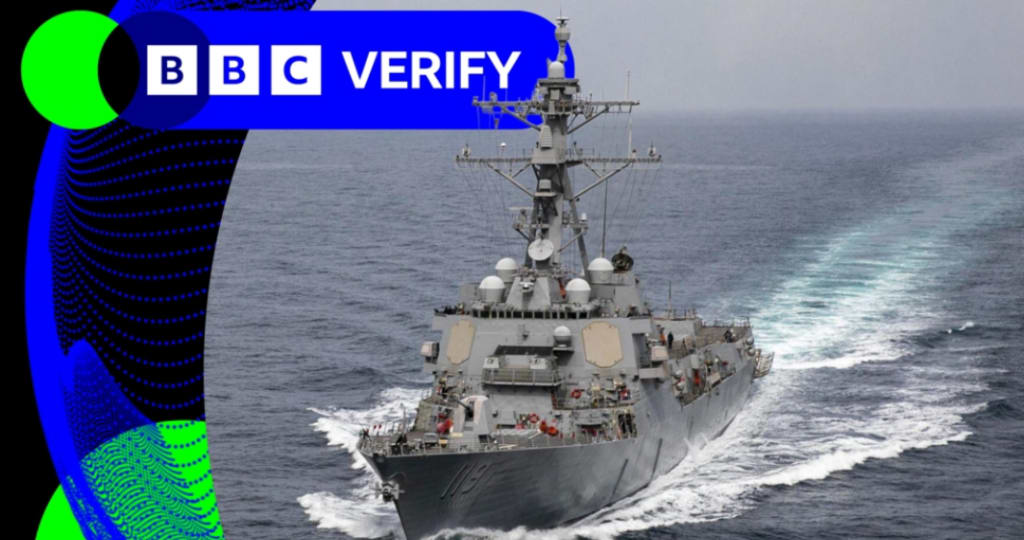
US Warship Deploys to the Middle East
Ship-tracking data shows that a United States Navy warship has recently arrived in the Middle East, a move analysts say is a response to growing geopolitical tensions with Iran. While the Pentagon has not confirmed specific operational details, the deployment underscores Washington’s intent to monitor regional activity and protect American interests.
The arrival of the warship comes at a time when diplomatic strains, military posturing, and economic sanctions have intensified between the US and Iran. Observers note that such naval deployments are often intended to deter potential threats and reassure allies in the region.
Rising Tensions with Iran
Relations between the US and Iran have been increasingly strained due to a combination of factors:
Nuclear program concerns: Iran’s uranium enrichment activities continue to draw international scrutiny.
Regional influence: The US has expressed concern over Iran’s involvement in neighboring countries, including Iraq, Syria, and Yemen.
Military confrontations: Previous incidents involving ships, drones, and military personnel have heightened alertness in the region.
Economic sanctions: Ongoing sanctions on Iran create additional pressure on Tehran, contributing to heightened tensions.
Analysts warn that the arrival of a US warship could further escalate regional anxieties and lead to increased military readiness by both sides.
Significance of the Deployment
Military experts highlight several reasons why this deployment is significant:
Surveillance and intelligence: The warship can gather information on maritime traffic, regional military activity, and potential threats.
Deterrence: Presence of a US naval vessel acts as a warning to potential aggressors that hostile actions will not go unchallenged.
Support for allies: The deployment reassures US allies in the Gulf and Middle East that the US remains committed to regional security and stability.
Rapid response capability: In case of escalation, the warship can respond quickly to protect American personnel, commercial interests, and strategic installations.
Regional Reactions
The deployment has prompted a variety of reactions from governments and analysts:
Iran: Officials have warned against foreign military interference, claiming such moves increase the risk of accidental confrontations.
Gulf allies: Nations such as Saudi Arabia, UAE, and Qatar view the deployment as reassuring, bolstering their security amid tensions.
Global analysts: Experts caution that military escalation could disrupt trade routes, especially oil shipping lanes in the Strait of Hormuz, which is a critical chokepoint for global energy supply.
The presence of the warship adds another layer of complexity to the already volatile geopolitical landscape.
Historical Context
The US has maintained a naval presence in the Middle East for decades, primarily to safeguard strategic interests and secure maritime trade routes. Key historical points include:
1990–91 Gulf War: US naval forces were crucial in operations to liberate Kuwait.
2000s Iraq War: US ships ensured logistical support and maritime security.
Ongoing anti-piracy and counter-terrorism efforts: The US Navy patrols vital shipping lanes in the Arabian Sea and Gulf of Oman.
This historical precedent highlights that naval deployments are both strategic and symbolic, sending a message of commitment and deterrence.
Impact on Maritime Traffic
The arrival of a US warship has immediate implications for commercial and military maritime activity:
Shipping routes: The warship’s presence may alter maritime traffic patterns for security reasons.
Risk management: Shipping companies may reroute vessels to avoid potential conflict zones.
Maritime surveillance: Increased monitoring can help prevent accidents, smuggling, or unauthorized vessel movements.
Experts emphasize that while military deployments are meant for security, they can influence global trade and logistics significantly.
Potential Scenarios
With tensions high, several scenarios could unfold:
Diplomatic resolution: US and Iran may engage in talks to reduce military tensions while maintaining a strategic presence.
Regional escalation: Miscommunication or minor confrontations could trigger larger military incidents.
Sustained deterrence: Both sides maintain posturing, avoiding direct conflict but keeping military readiness high.
Analysts stress the importance of caution, clear communication, and diplomatic engagement to prevent unintended escalation.
Role of Technology in Monitoring
Ship-tracking technology has played a key role in revealing military movements to the public:
Automatic Identification System (AIS): Tracks civilian and military vessels in real time.
Satellite imagery: Provides detailed monitoring of fleet deployments and port activity.
Open-source intelligence: Analysts and journalists can corroborate information independently, providing transparency.
The use of such technology ensures greater awareness of military activity, allowing governments and media to respond promptly.
Conclusion
The arrival of a US warship in the Middle East amid rising tensions with Iran is a stark reminder of the region’s ongoing volatility. While the deployment serves multiple strategic purposes—deterrence, intelligence, and ally reassurance—it also increases the risk of miscalculation or accidental confrontation.
Global observers emphasize that careful diplomacy and open communication are critical to maintaining stability. The situation underscores the delicate balance between military readiness and regional security, highlighting the continued importance of vigilance, strategic planning, and multilateral engagement in a complex geopolitical environment.
As the situation develops, both military analysts and policymakers will closely monitor movements and reactions, ensuring that any escalation is addressed before it threatens broader regional and international stability.
About the Creator
Keep reading
More stories from Aarif Lashari and writers in The Swamp and other communities.
Popular Shampoo and Conditioner Recalled Over ‘Serious Chemical Risk’
The Recall Announcement A major consumer goods company has issued a recall of its popular shampoo and conditioner products following reports of potentially harmful chemical contamination. The products were sold across supermarkets, pharmacies, and online retailers, affecting thousands of consumers nationwide.
By Aarif Lashariabout 16 hours ago in The Swamp
Politics and Governance: Navigating Challenges in Modern Democracies
Politics and governance are two sides of the same coin that determine how societies are organized, how power is exercised, and how public resources are managed. While politics revolves around the processes of decision-making, power struggles, and representation, governance focuses on the effectiveness, accountability, and transparency of institutions that implement policies. Together, they form the backbone of a functioning state, influencing economic growth, social equity, and citizen trust.
By Salaar Jamali6 days ago in The Swamp



Comments
There are no comments for this story
Be the first to respond and start the conversation.