
Seeds of Hope: How a Vacant Lot Became a Lifeline
One neighborhood’s journey from struggle to sustainability through the power of a community garden.

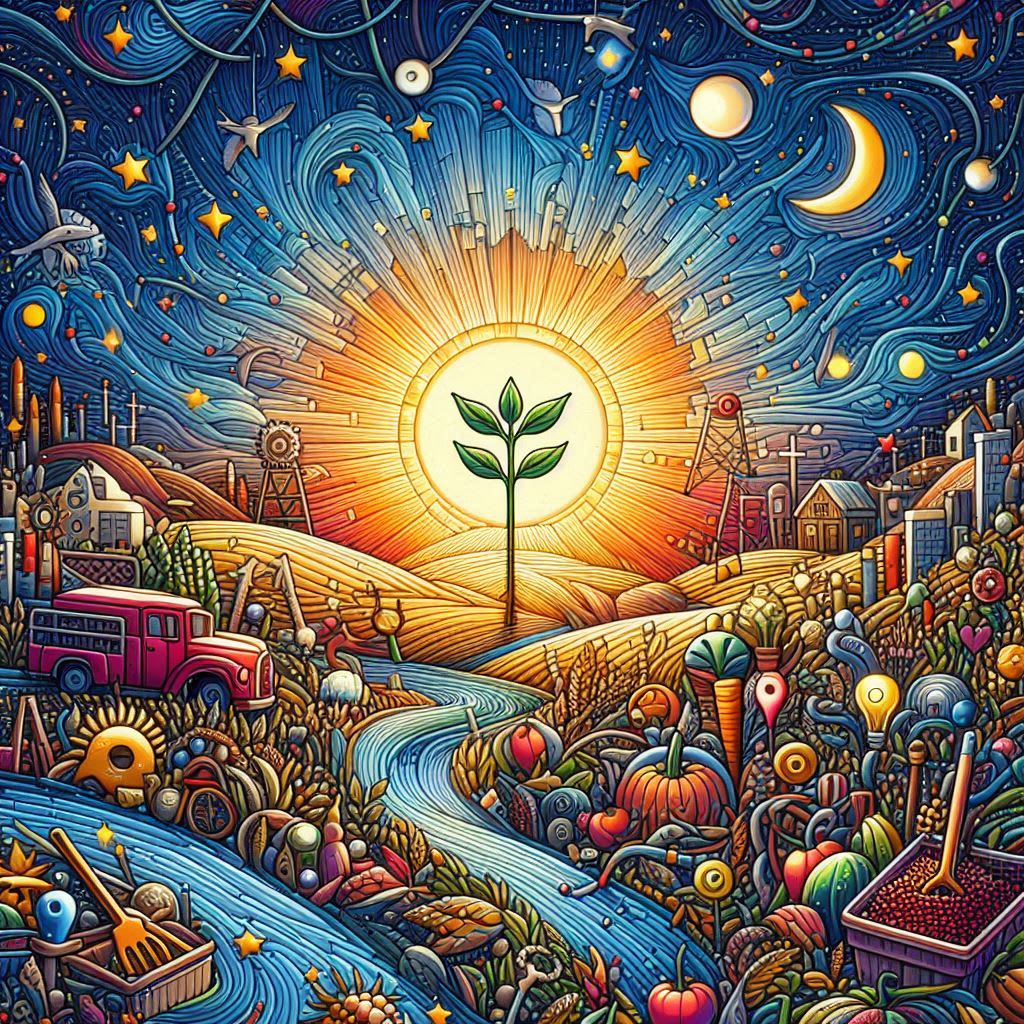
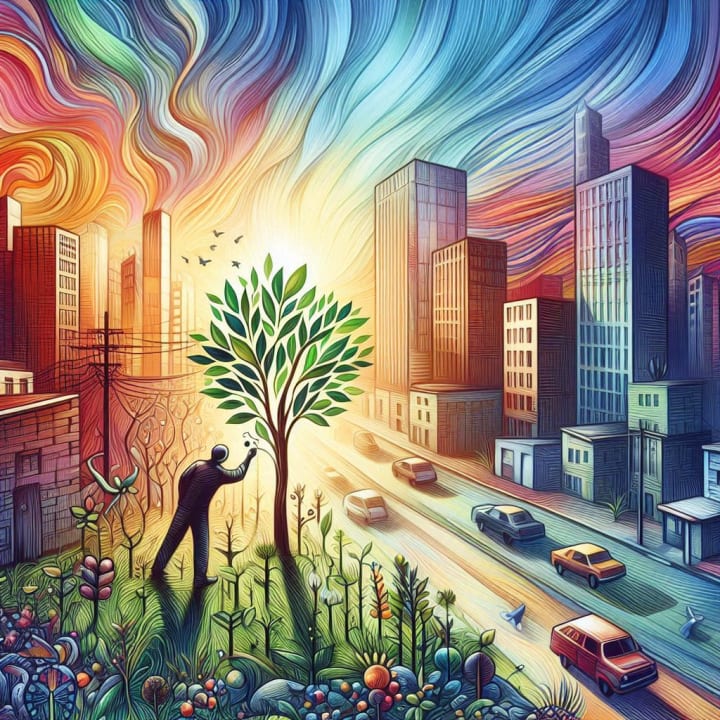
When Maya Thompson first moved to Oakridge, she never imagined a patch of dirt could change an entire neighborhood.
It was 2020, and the world was in chaos. The pandemic had hit hard, and families across the city were struggling. Shelves in grocery stores stood half-empty. For the residents of Oakridge—a low-income neighborhood already battling years of systemic neglect—food insecurity wasn’t new. But now, it was getting worse.
Maya, a former schoolteacher turned community advocate, had just lost her job due to budget cuts. As she walked her dog past the fenced-off lot on Pine and 6th each morning, an idea started to take root.
The lot had been vacant for years—overgrown with weeds, scattered with trash, and forgotten by the city. But Maya saw potential. To her, it wasn’t just a lot. It was soil waiting for seeds, a blank canvas for growth, and maybe, just maybe, a solution.
The Spark
Maya posted a simple message on the neighborhood Facebook group:
“What if we turned the lot on Pine and 6th into a community garden? A place where we grow food for our neighbors. Who’s with me?”
At first, it got just a few likes and a couple of supportive comments. But then came Maria, a retired botanist. Then Jamal, a high school student looking for a senior project. Then DeShawn, a single father of three, who’d grown up farming with his grandparents in Alabama.
By the end of the week, fifteen people had messaged Maya. They didn’t have experience with gardening, but they had time, passion, and empty pantries. And that was enough.
Getting Dirty
The city wasn’t quick to help. Getting access to the lot took weeks of paperwork, phone calls, and even a petition. But Maya was relentless. By March, they had permission to use the land under a community-use agreement.
What they didn’t have was money.
So they got creative. Maria donated seeds from her personal stash. Jamal organized a fundraiser at school, raising $400 by selling handmade plant pots. DeShawn borrowed tools from a local church. They found wooden pallets in alleyways and turned them into garden beds.
Every Saturday, rain or shine, the group showed up—gloves on, masks covering their faces, hands digging into soil. Strangers became teammates. There were scraped knees, sunburns, and sore backs. But also laughter, music, and the growing sense that they were building something bigger than vegetables.
The Bloom
By June, rows of tomatoes, kale, cucumbers, and bell peppers stood proudly in the once-abandoned lot. Flowers lined the edge of the fence, attracting butterflies and neighbors alike.
People started coming—some to help, others to watch. An elderly man named Mr. Richardson, who rarely left his home, would sit on a folding chair at the corner of the lot, sharing stories of his days growing corn with his father. Children who had never seen food grow from the ground before were now pulling carrots from the dirt and giggling with joy.
But the real turning point came one hot July afternoon.
A mother named Carla came by with her two kids. She looked exhausted. Maya recognized her from the local food bank. Carla asked if she could pick a few tomatoes and some spinach.
“Take as much as you need,” Maya said.
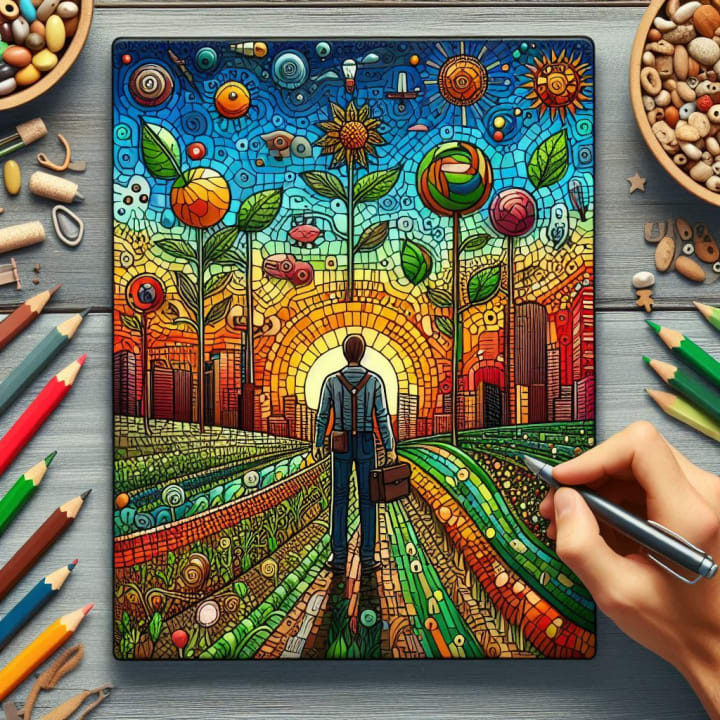
Carla’s eyes filled with tears. “I haven’t had fresh vegetables in two weeks. You don’t know what this means.”
And suddenly, everyone did know what it meant. This wasn’t just a garden anymore—it was a lifeline.
The Ripple Effect
Word spread quickly. Local news picked up the story. A nearby hardware store donated gardening supplies. The city offered grants for water access. Volunteers doubled. By fall, they were producing over 300 pounds of produce a month.
They didn’t stop there.
With guidance from Maria and support from a local nonprofit, they started offering free gardening classes. Jamal created a youth program to teach kids how to grow their own food. They partnered with a chef to host cooking demonstrations on how to use the harvest.
The once-forgotten lot became the heartbeat of Oakridge.
Lessons from the Soil
What started as a simple idea turned into a movement. Maya and her neighbors didn’t just feed people—they healed them. They reminded the community that strength doesn’t always come from big organizations or government aid. Sometimes, it comes from neighbors with dirty hands and shared dreams.
Food insecurity isn’t just about hunger—it’s about dignity. And the garden gave that back.
Over the next two years, more gardens sprouted in neighboring communities, inspired by Oakridge’s story. Schools planted mini-gardens. Apartment complexes started rooftop farms. And every time someone asked how it all started, Maya would smile and say, “With a question and a little faith in dirt.”
The Moral
In a world filled with uncertainty and division, it’s easy to feel powerless. But change doesn’t always start with policy. Sometimes, it starts with people.
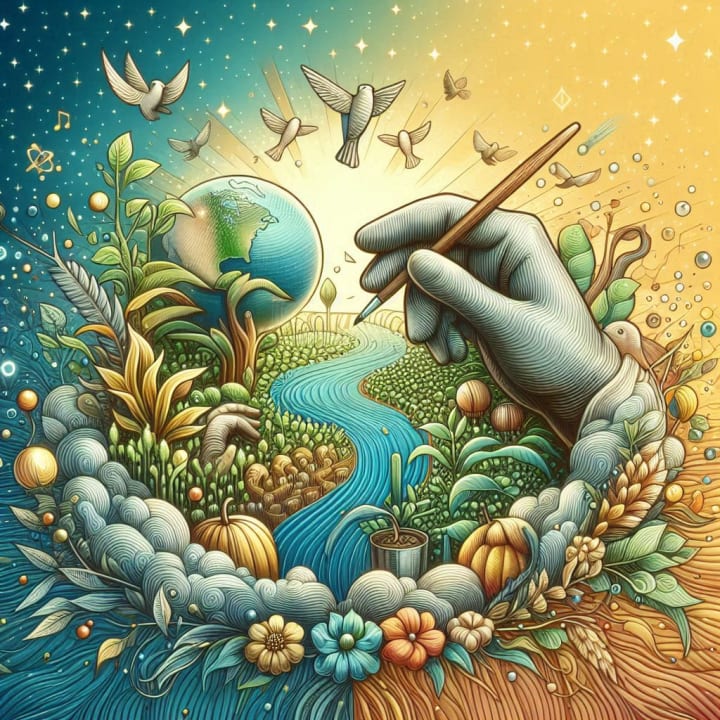
The Oakridge garden taught us that hope is something we grow—together.
You don’t need wealth, titles, or experience to make a difference. You just need heart, hands, and the courage to plant seeds where others see nothing.
So the next time you pass by a vacant lot or see your neighbor struggling, ask yourself: What if?
______________________
Thank you for reading...
Regards: Fazal Hadi
About the Creator
Fazal Hadi
Hello, I’m Fazal Hadi, a motivational storyteller who writes honest, human stories that inspire growth, hope, and inner strength.
Keep reading
More stories from Fazal Hadi and writers in The Swamp and other communities.
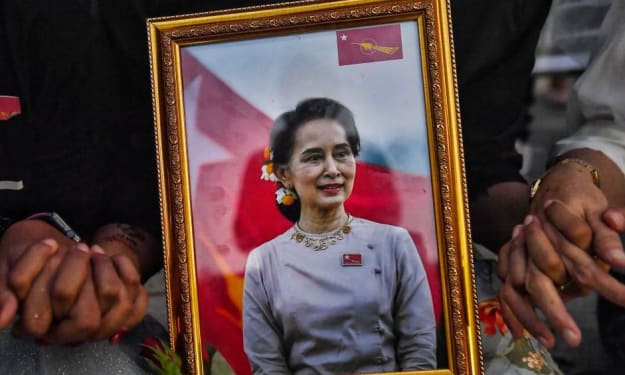
From Behind Bars, Aung San Suu Kyi Casts a Long Shadow Over Myanmar
Aung San Suu Kyi, Myanmar’s former civilian leader and Nobel Peace Prize laureate, continues to influence the nation’s political landscape despite being imprisoned since the February 2021 military coup. Her detention has not only intensified global attention on Myanmar’s political crisis but also shaped the country’s ongoing struggle for democracy, human rights, and international recognition.
By Fiaz Ahmed Brohi4 days ago in The Swamp



Comments
There are no comments for this story
Be the first to respond and start the conversation.