
Search Teams in Turkey Recover Recorders After Plane Crash That Killed Libyan Military Officials
Recovered flight recorders may reveal crucial details behind the deadly crash involving Libyan military officials

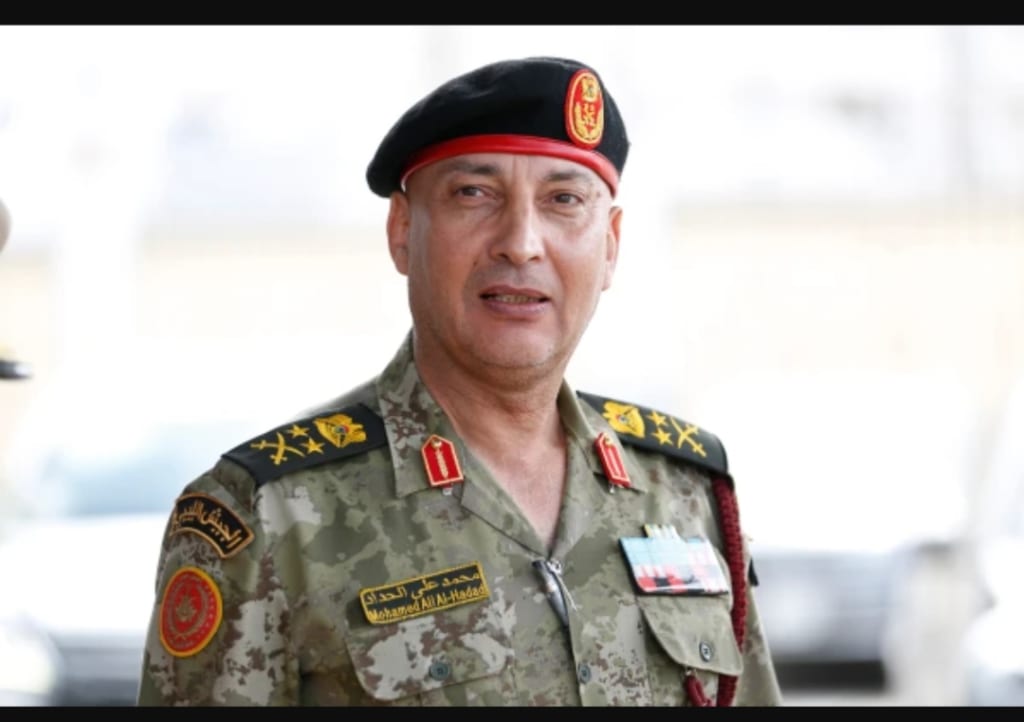
Search and rescue teams in Turkey have recovered the flight data recorder and cockpit voice recorder from a military aircraft crash that killed several Libyan military officials, marking a crucial step in determining the cause of the deadly incident. The recovery of the so-called “black boxes” is expected to provide investigators with vital information about the aircraft’s final moments, including technical performance and crew communications.
The crash has drawn international attention due to the high-ranking nature of the passengers and the broader regional security implications tied to Libya’s ongoing political and military instability.
The Deadly Crash in Turkey
The aircraft went down during a flight over Turkish territory, killing all Libyan military personnel on board. Emergency responders were dispatched quickly, but there were no survivors. Authorities secured the crash site and launched an immediate investigation in coordination with aviation and defense officials.
Initial reports indicated that the aircraft encountered difficulties shortly before crashing, though officials cautioned against speculation until forensic evidence could be fully analyzed.
The crash site, located in challenging terrain, required specialized search teams to locate debris and recover critical flight components.
Importance of the Recovered Recorders
The recovery of the flight data recorder (FDR) and cockpit voice recorder (CVR) represents a major breakthrough in the investigation. These devices capture essential information, including altitude, speed, engine performance, system warnings, and conversations between pilots in the cockpit.
Investigators will analyze the data to determine whether the crash was caused by:
Mechanical or technical failure
Human error
Weather-related complications
External interference or other unforeseen factors
The findings are expected to guide conclusions about the accident and help prevent similar incidents in the future.
International Cooperation in the Investigation
Turkish authorities are leading the on-site investigation, working in coordination with Libyan officials and aviation experts. Depending on the aircraft’s origin and manufacturer, additional international aviation bodies may also assist with data analysis.
Such cross-border cooperation is common in aviation investigations, especially when military or government officials are involved. Transparency and technical accuracy are critical to maintaining trust between nations and ensuring credible findings.
Officials emphasized that the investigation will follow international aviation safety standards, even though the aircraft was carrying military personnel.
Who Were the Victims?
The passengers killed in the crash included senior Libyan military officials, though authorities have limited public disclosure of identities pending notification of families and official procedures.
Their deaths represent a significant loss for Libya’s military leadership and could have implications for ongoing security and political dynamics within the country. Libya has faced years of internal division, and the loss of experienced officials may further complicate coordination and command structures.
Tributes have begun to emerge from Libyan officials, acknowledging the victims’ service and expressing condolences to their families.
Security and Political Implications
The crash has sparked renewed discussion about the safety of military and government flights, particularly in regions experiencing instability. While aviation accidents do occur, incidents involving senior military figures often prompt heightened scrutiny due to the potential political and security consequences.
Analysts note that determining whether the crash was accidental or the result of external factors will be critical in shaping public and diplomatic responses. Authorities have stressed that no conclusions should be drawn until the investigation is complete.
Challenges at the Crash Site
Search and recovery operations faced difficulties due to terrain and debris spread. Specialized equipment was required to locate and extract the recorders, which are designed to withstand extreme conditions such as impact, fire, and water exposure.
Despite these challenges, recovery teams successfully secured the devices and transported them for analysis under controlled conditions.
Officials praised the efforts of emergency responders and technical teams for their swift and professional response.
Next Steps in the Investigation
With the recorders recovered, investigators will begin a detailed analysis that could take weeks or months. The process includes:
Downloading and decoding recorded data
Synchronizing cockpit audio with flight metrics
Reviewing maintenance and operational records
Examining weather conditions and air traffic communications
A preliminary report is expected to be released once initial findings are confirmed, followed by a comprehensive final report.
Broader Aviation Safety Concerns
The incident underscores the importance of strict safety protocols for military and government flights. While military aviation operates under different standards than commercial aviation, the principles of risk assessment, maintenance oversight, and crew training remain critical.
Aviation experts emphasize that lessons learned from such investigations often contribute to improved safety measures, benefiting both military and civilian aviation sectors.
Conclusion
The recovery of flight recorders from the plane crash in Turkey that killed Libyan military officials marks a significant step toward understanding what went wrong. As investigators begin analyzing the data, attention will remain focused on uncovering the truth behind the tragedy.
While questions remain unanswered, officials stress patience and caution, emphasizing that a thorough and transparent investigation is essential. The findings will not only provide clarity for the victims’ families but may also carry important implications for aviation safety and regional security.
About the Creator
Asad Ali
I'm Asad Ali, a passionate blogger with 3 years of experience creating engaging and informative content across various niches. I specialize in crafting SEO-friendly articles that drive traffic and deliver value to readers.
Markets Fall and Gold and Silver Hit New Highs After Trump’s Latest Tariff Threat
Global markets were rocked after U.S. President Donald Trump’s latest tariff threats against European nations tied to Greenland. Stocks tumbled, while investors rushed into safe-haven assets like gold and silver, pushing their prices to record highs. The developments highlight the delicate balance between geopolitics and financial markets, showing how political decisions can quickly ripple through the global economy.
By Aarif Lashariabout 11 hours ago in The Swamp



Comments
There are no comments for this story
Be the first to respond and start the conversation.