
Saudi Property Law 2025: Big Win for Expats
Explore Saudi Arabia’s 2025 property law update, allowing expats to own property in key regions. Here's how to benefit under Vision 2030 reforms.

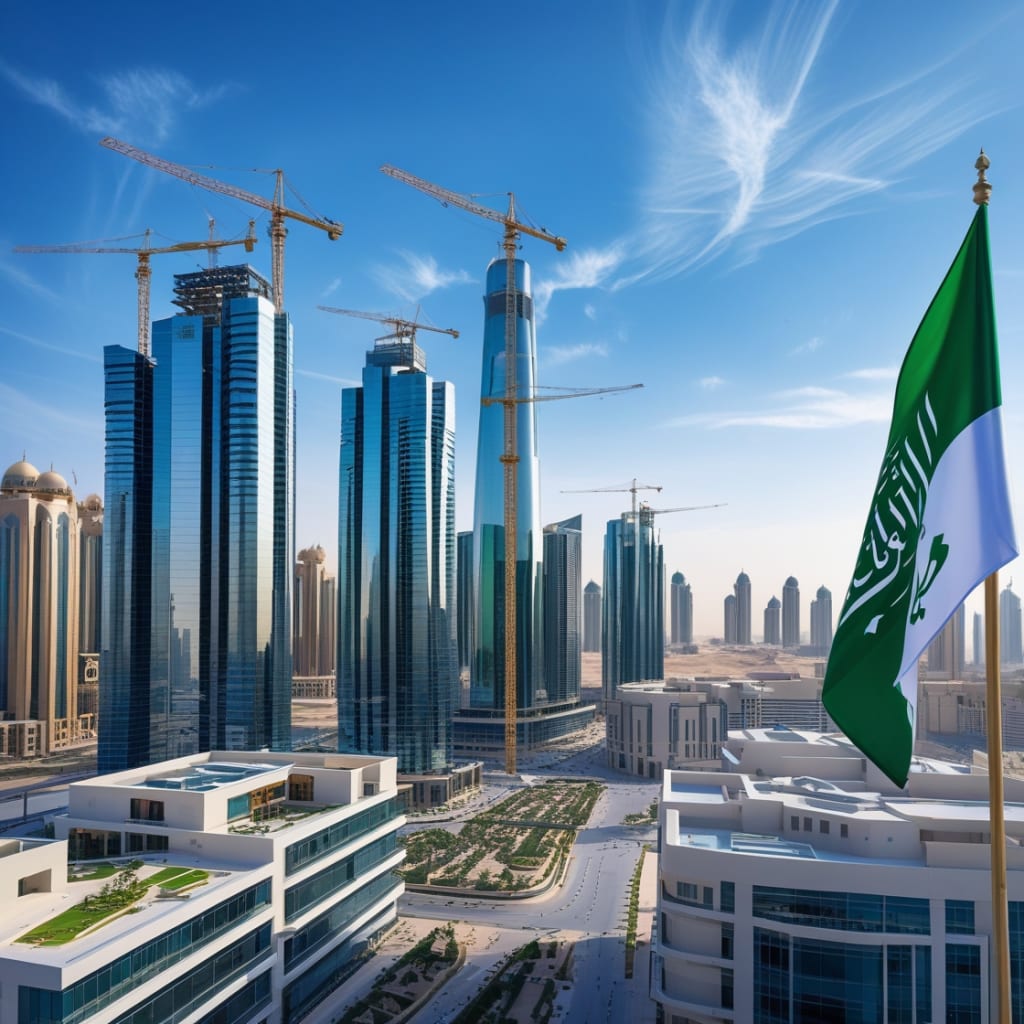
Saudi New Property Law for Expats: What You Need to Know in 2025
Saudi Arabia is undergoing rapid transformation under its Vision 2030 initiative, and one of the most talked-about developments in 2025 is the new property law for expats. Historically, foreign ownership of property in the Kingdom has been tightly restricted. But that’s changing—and fast.
In this article, we’ll explore the new real estate regulations, what they mean for foreign nationals, the types of properties now open for investment, and how expats can benefit from this long-awaited shift.
Background: The Evolution of Real Estate Laws in Saudi Arabia
For decades, Saudi Arabia’s property laws were conservative. Non-Saudis, especially foreign workers, could not buy land or residential property outright. Instead, many expats lived in rented accommodations or employer-provided housing.
However, with the diversification of the economy and the desire to attract foreign talent and investment, the Saudi new property law for expats is a bold move toward economic liberalization.
What Does the New Property Law Say?
In 2025, Saudi authorities announced a significant update to property ownership laws. The highlights of the new law include:
Expats Can Now Own Property: Foreigners are allowed to buy and own residential, commercial, and even investment properties in certain designated areas.
Freehold and Leasehold Rights: Expats can purchase property on a freehold basis (full ownership) in some regions, while other areas offer long-term leasehold rights.
Special Zones for Foreign Investment: Cities like Riyadh, Jeddah, NEOM, and The Red Sea Project have designated zones where expats can invest.
No Sponsorship Needed: Unlike many previous investment opportunities, expats no longer need a local sponsor to buy property.
Who Can Benefit?
- The new property law is particularly advantageous for:
- Long-term residents who plan to settle in the Kingdom
- Foreign investors looking to diversify their real estate portfolios
- Business owners who want to purchase commercial spaces
- Retirees and families seeking stability in their living arrangements
These changes open new doors for personal and financial security, offering expats a chance to build equity rather than rent indefinitely.
Key Locations Open to Expats
Saudi Arabia has identified several regions and mega-projects where foreigners can buy property:
Riyadh: The capital city is now home to several high-end residential and mixed-use communities.
NEOM: This futuristic city is the centerpiece of Vision 2030, offering exclusive opportunities for global investors.
The Red Sea Project: Luxury resorts and eco-friendly developments along the Red Sea coast.
Jeddah: The commercial capital offers both residential and business real estate options.
Al Khobar and Dammam: The Eastern Province has become a favorite for expat families and professionals.
Requirements for Expats Buying Property
While the process has become easier, there are still requirements:
Valid Iqama (residency permit) or investment visa
Proof of income or financing capability
Clean legal record
Approval from the Ministry of Investment or a designated authority
Property purchase within approved zones
All transactions must be registered through official government portals, and real estate agents or legal consultants can assist expats through the process.
Potential Benefits of Buying Property in Saudi Arabia
For expats, this law is more than just about real estate. It signals a long-term shift in the Kingdom’s inclusivity and economic openness.
Financial benefits:
Equity building instead of rent
Long-term asset growth
Rental income from investment properties
Lifestyle benefits:
More housing stability
Greater sense of belonging
Potential pathways to permanent residency or long-term visas for property owners
Risks and Considerations
As with any property law, expats should exercise caution:
Ownership is still restricted in certain zones like Makkah and Madinah (except under specific investment structures).
Property prices in major cities can be high, so due diligence is crucial.
Fluctuating oil markets and political shifts may influence property values.
Legal language barriers—it’s important to consult an Arabic-speaking lawyer to review contracts and terms.
What Analysts Are Saying
According to real estate experts, this law is a game-changer. It will not only boost foreign direct investment (FDI) but also support urban development and the growth of private home ownership.
Many industry professionals compare the move to similar reforms made by countries like the UAE and Qatar, where foreign ownership fueled rapid real estate expansion.
Digital Portals and Resources for Expats
To make the transition smooth, the Saudi government has introduced various digital platforms:
Sakani: Official platform for property listings and real estate financing
Absher: For verifying residency and legal status
Ministry of Investment: Updates on investment laws and property rights
These platforms are being updated regularly in English to cater to foreign residents.
Final Thoughts
The Saudi new property law for expats in 2025 marks a significant turning point in the Kingdom’s history. No longer confined to rental agreements, foreigners now have the opportunity to participate in one of the fastest-growing real estate markets in the Middle East.
Whether you’re an investor, a long-term resident, or someone looking for a second home, this legal change represents both an opportunity and a milestone. With proper guidance and due diligence, buying property in Saudi Arabia is now more accessible—and promising—than ever before.
About the Creator
Madi Speaks
Welcome to My blog channel where i (Madi Speaks) post daily trending content.
Discover engaging content on motivation, success, lifestyle, and trends. Stay inspired, informed, and curious as we explore stories that matter!
Keep reading
More stories from Madi Speaks and writers in The Swamp and other communities.
Pakistan vs India: Latest Tensions, History, and Future Relations
Pakistan vs India: Rising Tensions, Historic Rivalry, and the Road Ahead The phrase Pakistan vs India often conjures images of cricket matches, diplomatic talks, and military tensions. However, recent developments have reignited the intense rivalry between these two South Asian neighbors, grabbing global attention. With historic grievances and new flashpoints emerging, the world watches closely as Pakistan and India navigate another phase of strained relations.
By Madi Speaks11 months ago in The Swamp
Parallel Protests
I haven't written for quite some time, but I have A LOT of thoughts about yesterday's protest rally against our government's involvement and complicity in America's war on Iran, on the harbourside of my home city Bristol, and I need to put them somewhere. My gorgeous girlfriend is always a loving and listening ear and sharing it all with her will always be a healthy and happy way of processing the mental and emotional weight, but getting it straight in my brain to share means writing it all down in straight lines, so, here we are and thanks for being here.
By Steph Cole6 days ago in The Swamp
Father and Daughter Killed in Gaza as War Intensifies and Civilian Toll Rises
Renewed strikes highlight the growing humanitarian crisis as the conflict spreads across the region. A father and his young daughter were killed in the Gaza Strip during a recent airstrike as the ongoing war continues to claim civilian lives. Local health officials reported that the victims were among several people killed during strikes that struck residential areas amid escalating hostilities between Israel and the militant group Hamas. The deaths occurred in a densely populated neighborhood in northern Gaza Strip, where residents said explosions hit a cluster of buildings late at night. Emergency responders rushed to the scene, pulling survivors and casualties from damaged structures while families searched through rubble for missing relatives. According to local medical authorities, the father and daughter were inside their home when the strike occurred. Both were declared dead after being transported to a nearby hospital. Several other civilians were injured in the same attack. Rising Civilian Casualties The incident reflects the mounting civilian toll in Gaza as the conflict continues. Hospitals in the enclave, already strained by shortages of medical supplies and staff, have reported a steady flow of wounded civilians in recent weeks. Health officials in Gaza say many of the victims are women and children, highlighting the severe humanitarian impact of the fighting. Residential buildings, roads, and infrastructure have sustained heavy damage as military operations and rocket fire continue across the territory. The Israeli military has stated that its operations are directed at militant targets linked to Hamas and other armed groups. Officials say strikes are aimed at weapons storage sites, command centers, and launch positions used to fire rockets into Israeli territory. However, the densely populated nature of Gaza — home to more than two million people — means that military operations often occur close to civilian homes and infrastructure, increasing the risk of casualties among residents. Wider Regional Tensions The Gaza conflict has unfolded alongside growing instability across the Middle East. Regional actors have become increasingly involved, raising fears that the fighting could expand into a broader confrontation. Analysts say the situation remains volatile as exchanges of fire continue on multiple fronts. Cross-border tensions and military activity have been reported in several areas, reflecting the complex web of alliances and rivalries that shape the region’s security landscape. The humanitarian situation in Gaza has also drawn global concern. International organizations and aid agencies have warned that civilians face severe shortages of food, water, and medical supplies as the conflict disrupts supply routes and infrastructure. International Reactions Several governments and international bodies have called for restraint and renewed diplomatic efforts to reduce violence. The United Nations has repeatedly urged all parties to protect civilians and allow humanitarian aid to reach affected communities. Aid agencies working in Gaza say that access to essential supplies remains limited in many areas. Damage to roads and infrastructure has complicated efforts to deliver assistance, while overcrowded shelters struggle to accommodate displaced families. Human rights organizations have also emphasized the need for independent investigations into civilian deaths during the conflict. They argue that accountability and adherence to international humanitarian law are essential to protecting noncombatants. A Continuing Humanitarian Crisis For families living in Gaza, the loss of loved ones has become an all too familiar reality. Survivors of the latest strike described scenes of devastation, with damaged homes and grieving relatives gathering outside hospitals. The father and daughter killed in the recent attack are among the many civilians whose lives have been lost during the war. Their deaths underscore the human cost of the conflict and the urgent need for efforts to reduce violence and protect vulnerable populations. As fighting continues and regional tensions persist, the humanitarian consequences of the war are expected to deepen. For the people of Gaza, each day of conflict brings renewed uncertainty about safety, security, and the future.
By Fiaz Ahmed a day ago in The Swamp



Comments
There are no comments for this story
Be the first to respond and start the conversation.