
Saudi-Backed Forces Gather on Yemen Border as Separatists Face Pressure to Pull Back
Saudi-backed troops amass as southern separatists face mounting pressure, raising tensions and humanitarian concerns along Yemen’s volatile border."

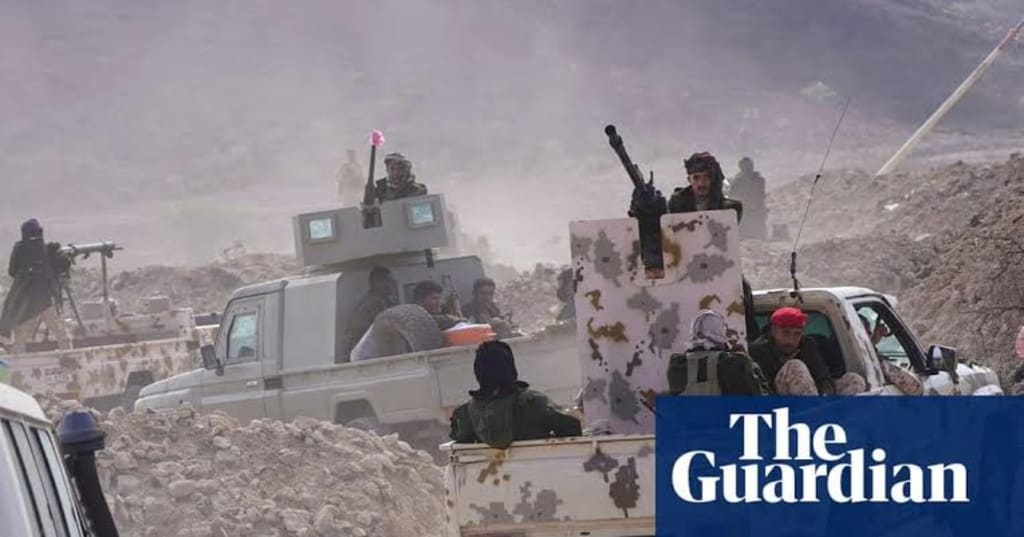
Tensions are escalating once again along Yemen’s volatile borders, as Saudi-backed forces amass in strategic positions amid mounting pressure on southern separatists to retreat from contested zones. This latest development underscores the fragile and complex nature of Yemen’s ongoing conflict, which has persisted for nearly a decade, leaving millions of civilians at risk and regional stability hanging in the balance.
A Renewed Show of Force
Reports indicate that Saudi-backed troops have been mobilizing near key border regions, particularly along the frontier with southern Yemen. The movement of these forces comes after weeks of heightened negotiations and a series of localized clashes, signaling Riyadh’s determination to assert influence over the southern territories. Analysts note that the positioning of these forces not only serves as a deterrent against potential advances by separatist groups but also demonstrates the kingdom’s commitment to its regional security strategy.
The Southern Transitional Council (STC), Yemen’s primary separatist faction, has faced increasing diplomatic and military pressure to pull back from areas that are strategically significant. According to sources on the ground, the STC’s hold over these territories has complicated both humanitarian operations and political reconciliation efforts. The arrival of Saudi-backed units is perceived as a signal that the balance of power in southern Yemen may be shifting, prompting separatists to reconsider their current posture.
Humanitarian Implications
Beyond the military maneuvers, the gathering of Saudi-backed forces raises pressing humanitarian concerns. Yemen remains one of the world’s most severe humanitarian crises, with millions facing food insecurity, displacement, and limited access to basic services. Any escalation along the border regions threatens to exacerbate civilian suffering, disrupt aid distribution, and potentially trigger further mass displacement.
Humanitarian organizations have warned that renewed clashes could block vital supply routes and hinder efforts to provide winter relief, medical assistance, and food aid to vulnerable populations. Past confrontations in these areas have shown how quickly localized skirmishes can spiral into broader crises, underlining the urgent need for both restraint and coordinated international engagement.
The Political Dimension
The STC’s recent stance is influenced not only by military pressure but also by evolving political dynamics. International stakeholders, including the United Nations and neighboring Gulf states, have called for de-escalation and urged the council to engage in meaningful dialogue with Yemen’s internationally recognized government. Riyadh has emphasized that the southern separatists’ compliance with withdrawal requests is key to advancing peace talks and ensuring stability in the region.
Experts suggest that the current buildup of forces could be a strategic move to create leverage in ongoing negotiations. By consolidating their presence along the border, Saudi-backed units may be seeking to coerce the STC into adhering to agreements on territorial control and governance arrangements. This approach, while tactically significant, carries the risk of triggering a broader confrontation if miscalculations occur.
Regional Security Concerns
The implications of the current tensions extend beyond Yemen’s borders. Saudi Arabia has historically viewed southern Yemen as a critical buffer zone, essential for protecting its southwestern frontier and ensuring secure trade and energy routes. The gathering of forces also reflects Riyadh’s broader concerns about the influence of external actors, including Iran, which has been accused of supporting Houthi factions in northern Yemen.
Regional analysts warn that if the situation escalates, it could draw in additional actors and heighten proxy tensions across the Arabian Peninsula. In such a scenario, the humanitarian cost could be severe, and the prospects for a sustainable political resolution in Yemen may diminish further.
The Path Forward
Amid these developments, the international community continues to push for restraint, dialogue, and a recommitment to ongoing peace efforts. Observers emphasize that military posturing, while important for signaling strength, must be paired with diplomatic engagement to avoid worsening an already dire situation.
For Yemenis on the ground, the focus remains on survival, access to aid, and protection from violence. As Saudi-backed forces consolidate positions and separatists face increasing pressure, the coming days will be critical in determining whether Yemen edges closer to renewed conflict or a fragile path toward negotiated stability.
Ultimately, the situation along Yemen’s southern border serves as a stark reminder of the region’s intricate power dynamics, the high stakes for regional players, and the urgent need to prioritize human security alongside strategic objectives.
About the Creator
Fiaz Ahmed Brohi
I am a passionate writer with a love for exploring and creating content on trending topics. Always curious, always sharing stories that engage and inspire.
Keep reading
More stories from Fiaz Ahmed Brohi and writers in The Swamp and other communities.
Germany Provides Ukraine With Additional €70 Million in Winter Assistance
Germany has announced an additional €70 million in aid to Ukraine, aimed at helping the country cope with the harsh winter months. This assistance, which supplements previous support packages, focuses on providing essential services, heating solutions, and humanitarian relief to regions most affected by ongoing conflict.
By Fiaz Ahmed Brohi3 months ago in The Swamp
A Gathering of Evil Bosses
“I’m the queen of chin jutting while I smooth my hair, attacking, insulting, and deflecting to protect my appointer.” “Oh, please, Blondi, my hair is curled, highlighted, and longer than yours. I feature television commercials telling immigrants that we will give them a free plane ride home, and if they voluntarily turn themselves in, they will be allowed to legally apply for re-entry. It runs everywhere, and I look good in it! You can’t compete because of your blond hair. Mine is nicer, and my lips are prettier than yours.”
By Andrea Corwin 23 days ago in The Swamp
Early March 2026: 4 Goals Accomplished
It's early March and I've now accomplished my 4th writing goal for the year of 2026. Before diving into the behind-the-scenes of it... why not tell you up front what that accomplishment was? I was published in a 2nd publication for this year. Published in Helix Literary Magazine out of Central Connecticut State University. You can read it for free right now!
By Stephen Kramer Avitabile8 days ago in Writers




Comments
There are no comments for this story
Be the first to respond and start the conversation.