
Saudi Arabia and India Agree on Mutual Short-Stay Visa Exemption
A landmark travel agreement set to boost tourism, business ties, and people-to-people connections between New Delhi and Riyadh

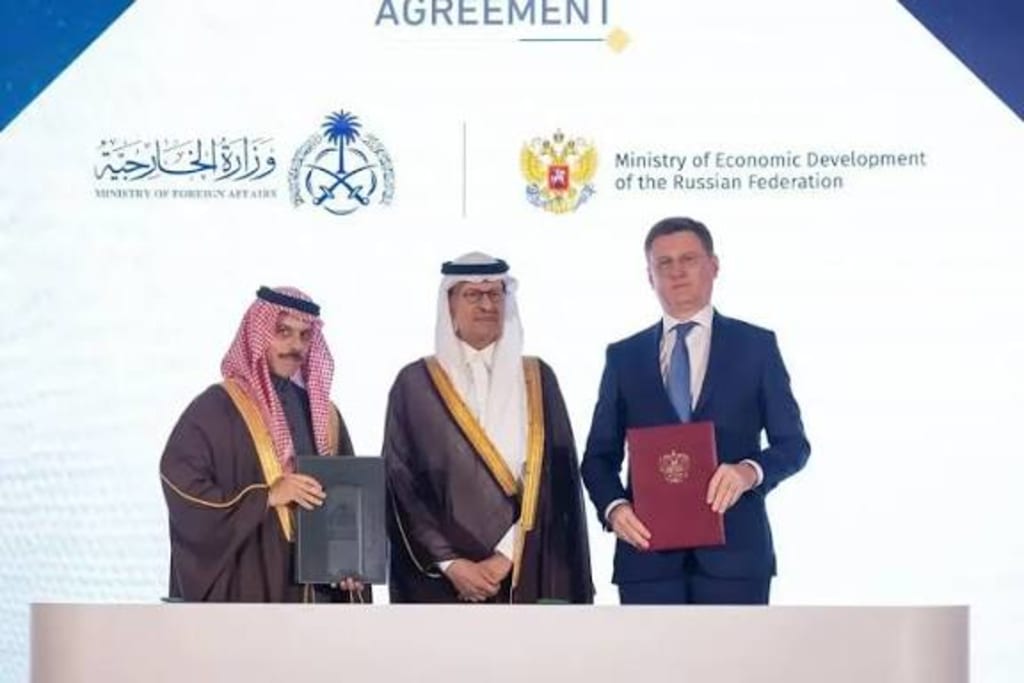
In a significant development that deepens ties between two of Asia’s most influential nations, Saudi Arabia and India have agreed on a mutual short-stay visa exemption for their citizens. This landmark agreement removes visa requirements for short visits—boosting tourism, business travel, cultural exchange, and people-to-people ties between the two countries. It represents not only a diplomatic success but also a major step in reshaping economic and social linkages across the Middle East and South Asia.
A New Era of Mobility
Under the new arrangement, citizens of India and Saudi Arabia can travel to each other’s countries without a short-stay visa for visits lasting up to 90 days (or as specified in final implementation details). This means business professionals, tourists, students, and visiting friends or family can undertake shorter trips without the administrative burdens that visas traditionally entail.
The visa exemption is expected to come into effect in phases, with both nations coordinating operational details such as travel documentation, security protocols, and entry requirements. Officials from both sides have emphasized that the waiver is designed to be secure, reciprocal, and mutually beneficial.
Boosting Tourism and Cultural Exchange
One of the most immediate impacts of the agreement will be on tourism. Saudi Arabia has been repositioning itself as a global tourism destination through its Vision 2030 initiative—a strategic plan aimed at diversifying its economy away from oil dependency. The Red Sea coastline, ancient heritage sites like Diriyah, and modern attractions in Riyadh and Jeddah have been central to this push.
For Indian travelers, Saudi Arabia presents opportunities for spiritual tourism as well, drawing millions annually for Umrah and Hajj pilgrimages. With short-stay visa requirements eased, more Indians are expected to explore the region not only for religious reasons but also for leisure travel and cultural immersion.
Likewise, Indians are one of the world’s most traveled populations, with strong interest in exploring international destinations. Saudi Arabia’s visa exemption removes an administrative hurdle that previously discouraged some from visiting.
Economic and Business Implications
The agreement also holds major economic potential. India and Saudi Arabia already maintain close trade relations, with Saudi Arabia a key supplier of energy to India. In recent years, both nations have expressed interest in expanding cooperation in sectors such as renewable energy, technology, infrastructure, and manufacturing.
Business executives and entrepreneurs often cite visa processes as a barrier to fluid collaboration. By eliminating this hurdle for short trips, professionals from both countries can more easily attend meetings, conferences, trade events, and investment forums. This could accelerate joint ventures, cross-border partnerships, and commercial growth.
Strengthening Strategic Relations
Beyond economics, the move reflects a deeper geopolitical alignment. India and Saudi Arabia have steadily enhanced their strategic partnership over the past decade. Cooperation spans defense training, counterterrorism efforts, and diplomatic collaboration on regional issues in West Asia and beyond.
High-level visits between Indian and Saudi leaders in recent years have emphasized the mutual recognition of shared interests and complementary capabilities. The visa exemption acts as a tangible symbol of trust and mutual regard.
Social and People-to-People Benefits
Visa requirements often act as an invisible barrier to friendship between nations. By removing the short-stay visa for visits, both governments aim to make travel easier for young professionals, students, cultural ambassadors, and families with cross-country ties.
Indians of Saudi origin or Indian expatriates currently working in the Kingdom may find it easier to host visiting relatives. Similarly, Saudis interested in Indian culture, education, or heritage festivals now have fewer formal hurdles to travel.
This move also sends a positive signal to diaspora communities in both countries, reinforcing their roles as bridges of cultural understanding.
Challenges and Implementation
While the agreement has been welcomed broadly, implementation will require careful coordination. Officials have stated that enhanced security protocols will remain in place to ensure border safety. Both countries will align data sharing, immigration checks, and entry systems to uphold national security while facilitating travel.
Additionally, authorities may periodically review the exemption to ensure it aligns with evolving bilateral or global conditions.
Comparisons With Global Visa Trends
Globally, mutual visa exemptions are seen as tools for bolstering diplomatic ties. Regions like the European Union, ASEAN (Association of Southeast Asian Nations), and several Nordic countries have long leveraged such policies to enhance freedom of movement and cooperation.
For India and Saudi Arabia—a major emerging partnership—the visa exemption places them among a growing network of countries seeking to reduce barriers to travel while protecting national interests.
Public Reaction and Future Prospects
Reactions in both countries have been overwhelmingly positive, with media, business associations, travel industry stakeholders, and cultural organizations voicing support. Many see it as a forward-looking policy that reflects global interconnectedness.
Looking ahead, the mutual visa exemption could pave the way for further bilateral agreements, such as student exchange programs, collaborative research initiatives, and enhanced mobility for longer-term stays.
Conclusion
The mutual short-stay visa exemption between Saudi Arabia and India marks a historic advancement in bilateral relations. It symbolizes a commitment to openness, collaboration, and mutual benefit. As implementation unfolds, the impacts on tourism, business, cultural exchange, and strategic cooperation are expected to be significant.
At a time when global travel and diplomacy face new challenges, this agreement highlights the power of policy to break down barriers, celebrate shared interests, and bring people closer together.
About the Creator
Fiaz Ahmed
I am Fiaz Ahmed. I am a passionate writer. I love covering trending topics and breaking news. With a sharp eye for what’s happening around the world, and crafts timely and engaging stories that keep readers informed and updated.
Keep reading
More stories from Fiaz Ahmed and writers in The Swamp and other communities.
“NATO Spending Pledge Is Trump’s Biggest Foreign Policy Success,” Rutte Tells BBC
In a wide-ranging interview with the BBC, Dutch Prime Minister Mark Rutte described the NATO spending pledge—signed under former U.S. President Donald Trump—as one of the most significant foreign policy achievements in recent history. Rutte’s comments have reignited debates over Trump’s legacy in international relations, particularly within the North Atlantic Treaty Organization (NATO), where burden-sharing and collective defence commitments have long been contentious.
By Fiaz Ahmed 3 months ago in The Swamp
The Forsyth House Fire
Since 1851, Forsyth House has stood on the corner of Union Street and Gordon Street in the heart of Glasgow. Its iconic, or was... because on Sunday 8th of March, 2026, a fire broke out in a small, seemingly un-named shop in the building and tore all that history down. As I write, the rubble is still unsettled and the street is still blocked off. Central Station is quiet on the upper level, and around 30 small businesses have quite literally gone up in smoke.
By S. A. Crawford3 days ago in The Swamp
Russian Strike on Kyiv Region Kills 4 People and Wounds 15 as Peace Talks Stall
A Russian military strike in the Kyiv region has left at least four civilians dead and 15 others injured, further heightening fears over escalating violence even as stalled peace negotiations underscore the difficulty of ending the conflict. Ukrainian authorities confirmed the casualties, while local emergency services rushed to provide medical care and assess the damage to residential areas. The strike, part of a series of attacks over the past several weeks, targeted both infrastructure and population centers. Explosions destroyed multiple buildings, leaving several residents trapped under debris. Emergency responders and volunteers worked through the night to evacuate survivors and provide urgent assistance to those injured. Civilian Impact and Humanitarian Concerns The human toll of the attack underscores the ongoing vulnerability of civilians in conflict zones. Families living in suburban and rural areas near Kyiv have faced repeated bombardment, which not only causes immediate casualties but also disrupts daily life, schooling, and access to essential services. Medical personnel report that hospitals in the region are operating under significant strain, treating injuries ranging from shrapnel wounds to burns. Local authorities warned that repeated attacks increase both physical and psychological trauma for residents, especially children. International humanitarian organizations have expressed alarm over the rising number of civilian casualties in Ukraine, emphasizing the need for adherence to international law and the protection of noncombatants. Escalation Amid Stalled Peace Talks The strike comes at a time when formal peace discussions remain stalled. Negotiations between Ukrainian officials and Russian representatives, mediated by international actors, have made little progress in recent months. Analysts warn that ongoing attacks, including strikes on urban centers like Kyiv, may further complicate any diplomatic efforts. Officials in Kyiv have stressed that military pressure continues to be a key tactic for Russia, even as international actors push for negotiations. The continuation of strikes raises concerns about both the stability of the truce mechanisms and the broader prospects for a ceasefire. Strategic and Political Implications Beyond the immediate humanitarian impact, attacks on the Kyiv region carry significant political and strategic implications. The Ukrainian government has accused Russia of deliberately targeting populated areas to exert pressure, while Moscow maintains that military operations are aimed at neutralizing Ukrainian military capabilities. The international community remains closely monitoring these developments. Countries supporting Ukraine have condemned attacks on civilian areas, highlighting violations of international humanitarian law, and continue to provide military, financial, and logistical support to Kyiv. Conversely, the continuation of strikes complicates diplomatic engagement by signaling persistent Russian resolve. Regional Security and Infrastructure Damage Infrastructure in the Kyiv region has also suffered extensive damage. Utilities, transportation networks, and residential buildings were affected, creating immediate challenges for recovery and reconstruction. Local authorities are prioritizing the repair of essential services, but the repeated bombardments slow restoration efforts and leave communities exposed to further risk. Energy and water supply systems were reported to be intermittently disrupted, forcing residents to rely on emergency measures. Schools and healthcare facilities have had to adjust operations to accommodate safety concerns, and the local economy continues to be affected by interruptions in daily life. International Reactions The international response to the strike has been swift. The United Nations called for restraint and urged all parties to comply with international law protecting civilians. Western nations, including members of the European Union and United States, issued statements condemning the attacks and reaffirmed support for Ukraine’s sovereignty. Aid organizations are coordinating with local authorities to deliver emergency supplies, medical care, and psychosocial support to affected families. However, the ongoing security situation complicates the logistics of delivering relief in some areas. Civilian Resilience and Community Response Despite the danger, local communities have shown remarkable resilience. Volunteers and neighborhood organizations mobilize quickly to provide shelter, food, and first aid to those affected by strikes. These efforts, combined with government and international assistance, help mitigate the immediate humanitarian consequences. Nevertheless, the repeated attacks erode a sense of security and heighten anxiety among residents, particularly children and the elderly, creating long-term psychological challenges. Outlook and Continuing Tensions The strike in the Kyiv region illustrates the persistent volatility in Ukraine, where civilians remain caught between ongoing military operations and stalled diplomatic efforts. Analysts warn that without renewed negotiations and adherence to humanitarian protections, civilian casualties are likely to increase, further complicating prospects for peace. For now, Ukrainian authorities continue to reinforce emergency response systems and seek international support, while the people of Kyiv brace for further uncertainty. The situation remains a stark reminder of the human cost of conflict and the urgent need for renewed diplomatic engagement to prevent further loss of life.
By Fiaz Ahmed Brohi2 days ago in The Swamp



Comments
There are no comments for this story
Be the first to respond and start the conversation.