
Satellite Shows Tanker Seized by US Near Venezuela Is Now Off Texas Coast
How sanctions enforcement, satellite surveillance, and energy geopolitics intersect in the Gulf of Mexico

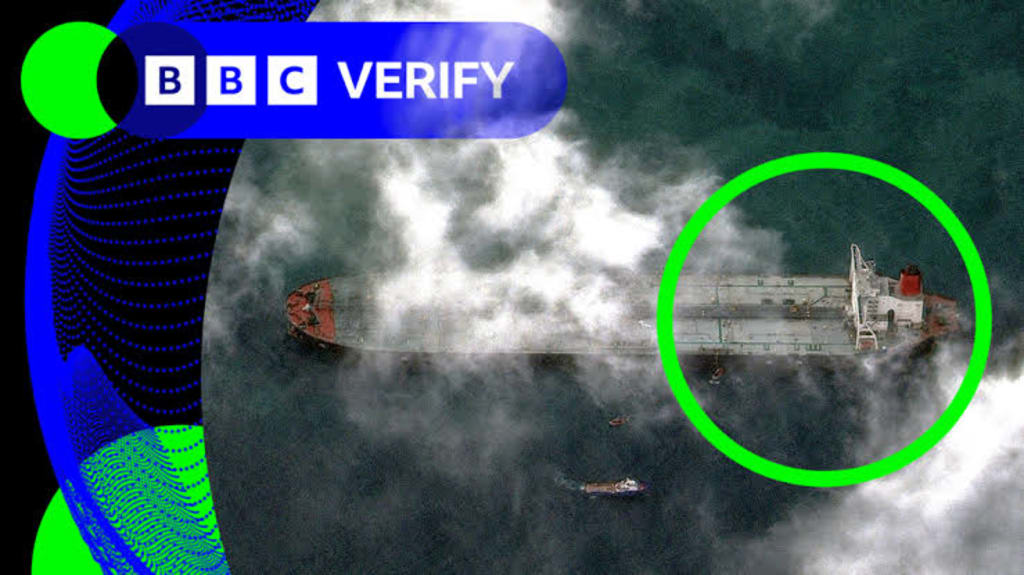
Satellite imagery revealing that a tanker seized by the United States near Venezuela has now appeared off the coast of Texas has renewed global attention on Washington’s enforcement of sanctions, maritime law, and energy geopolitics. The movement of the vessel, once at the center of a tense standoff in the Caribbean, highlights how sanctions enforcement increasingly plays out not only through diplomacy and courts, but also on the open seas.
From Caribbean Waters to the Gulf of Mexico
The tanker was originally intercepted by US authorities near Venezuelan waters amid allegations that it was carrying oil linked to sanctioned entities. According to officials familiar with the case, the vessel was suspected of transporting crude in violation of US sanctions imposed on Venezuela’s energy sector. These sanctions aim to restrict the flow of oil revenues that Washington argues have supported authoritarian governance rather than the Venezuelan population.
Recent satellite images now show the tanker anchored or maneuvering near the Texas coastline, a clear sign that US authorities have taken physical control of the ship and its cargo. The journey from the Caribbean to the Gulf of Mexico underscores the operational reach of US maritime enforcement and its ability to bring seized assets directly under American jurisdiction.
Why the Seizure Matters
The seizure is more than a single enforcement action; it is part of a broader strategy to curb sanctions evasion. Over the past few years, the US has accused networks of ship owners, traders, and intermediaries of using complex tactics to move Venezuelan oil despite restrictions. These tactics often include turning off tracking systems, changing ship names, transferring cargo at sea, or routing oil through third countries.
By physically seizing a tanker and relocating it to US waters, authorities send a powerful message to global energy traders: sanctions violations carry real and costly consequences. The move also demonstrates that satellite tracking and maritime intelligence have become critical tools in modern economic enforcement.
Legal and Diplomatic Dimensions
Once a seized tanker reaches US-controlled waters, the case typically moves into the legal system. Courts may determine the fate of the vessel and its cargo, including whether the oil is confiscated, sold, or used to compensate for penalties. In previous cases, proceeds from seized cargoes have sometimes been redirected toward humanitarian or legal settlements, though such outcomes often spark political debate.
Diplomatically, the seizure adds strain to already fragile US–Venezuela relations. Caracas has repeatedly condemned sanctions as illegal and harmful, arguing they exacerbate economic hardship for ordinary citizens. Venezuelan officials often portray tanker seizures as acts of piracy, while Washington frames them as lawful enforcement under international and domestic law.
Energy Markets Watching Closely
Global energy markets are also paying attention. While one tanker does not significantly alter global oil supply, such actions contribute to uncertainty around sanctioned crude flows. Traders, insurers, and shipping companies become more cautious when enforcement appears aggressive and visible.
This caution can have ripple effects, including higher transportation costs, reduced willingness to handle high-risk cargoes, and increased scrutiny of vessels operating near sanctioned regions. In a world already grappling with geopolitical tensions, energy security concerns, and price volatility, even symbolic actions can influence market behavior.
The Role of Satellite Technology
The public availability of satellite imagery has transformed how such घटन events are monitored and reported. Analysts, journalists, and even private citizens can track vessels almost in real time, making maritime enforcement more transparent than ever before. This visibility reduces the ability of sanctioned actors to operate quietly and increases public accountability for governments enforcing or violating international rules.
In this case, satellite images showing the tanker’s presence off Texas effectively confirm US claims of control, leaving little room for ambiguity about the outcome of the seizure.
A Signal of Future Enforcement
The tanker’s relocation to US waters suggests that Washington intends to maintain, if not intensify, its sanctions enforcement posture. As long as sanctions on Venezuela remain in place, similar actions are likely, especially against vessels suspected of repeated or large-scale violations.
For ship owners and energy traders, the lesson is clear: sanctions compliance is no longer just a paperwork exercise. Physical enforcement, backed by technology and legal authority, is very much on the table.
Conclusion
The appearance of a US-seized tanker off the Texas coast, confirmed by satellite imagery, is a vivid reminder of how geopolitics, energy, and maritime law intersect. While the legal process will determine the vessel’s ultimate fate, the broader message has already been delivered. In an era of heightened scrutiny and advanced surveillance, sanctions enforcement is becoming more visible, more assertive, and harder to ignore—on the high seas and beyond.
About the Creator
Fiaz Ahmed Brohi
I am a passionate writer with a love for exploring and creating content on trending topics. Always curious, always sharing stories that engage and inspire.
Keep reading
More stories from Fiaz Ahmed Brohi and writers in The Swamp and other communities.
Germany Deports Criminal to Syria After Years-Long Halt: A Legal, Moral, and Political Turning Point
After years of suspending deportations to Syria due to security and humanitarian concerns, Germany has carried out the removal of a convicted criminal to the war-torn country. The move marks a significant shift in Berlin’s migration and security policy, reigniting debate over human rights, public safety, and the limits of asylum protections in Europe’s largest economy. A Policy Frozen by War Germany halted deportations to Syria more than a decade ago as the Syrian civil war escalated into one of the world’s worst humanitarian crises. Widespread violence, political persecution, and the collapse of basic state institutions made forced returns legally and morally untenable under both German law and international conventions. For years, even Syrians convicted of serious crimes remained protected from deportation, instead serving prison sentences inside Germany. This approach was rooted in the principle of non-refoulement, which prohibits sending individuals back to countries where they face a real risk of torture, inhuman treatment, or death. Syria, governed by President Bashar al-Assad, has long been cited by human rights groups for arbitrary detention, enforced disappearances, and abuse of returnees. Why This Deportation Happened The recent deportation signals that German authorities believe circumstances have changed—at least for a narrow category of cases. Officials have emphasized that the individual deported was convicted of serious criminal offenses and posed an ongoing threat to public safety. According to government statements, the decision followed extensive legal review and assurances, often referred to as “diplomatic guarantees,” that the deportee would not be mistreated upon return. German courts have increasingly allowed deportations of serious offenders to countries previously deemed unsafe, provided authorities can demonstrate that the individual risk is limited and that state actors offer written commitments regarding humane treatment. Critics argue such guarantees are unreliable when dealing with regimes accused of systematic abuses. A Divided Political Landscape The deportation comes amid growing domestic pressure on Germany’s governing coalition to adopt a tougher stance on migration and crime. Rising support for right-wing parties, particularly the Alternative for Germany (AfD), has pushed migration to the center of national politics. Public anxiety following high-profile crimes involving asylum seekers has further intensified calls for stricter enforcement. Interior ministry officials argue that the move demonstrates the state’s ability to protect its citizens without dismantling asylum protections entirely. “Those who commit the gravest crimes cannot expect indefinite protection,” has become a common refrain among centrist and conservative politicians. However, left-leaning parties and civil society groups warn that such actions risk eroding the moral foundations of Germany’s asylum system. They fear a slippery slope in which security concerns gradually override human rights obligations. Human Rights Concerns Persist Human rights organizations remain deeply skeptical. Groups such as Amnesty International and Human Rights Watch have repeatedly documented cases of Syrians who were detained, tortured, or forcibly conscripted after returning from Europe. They argue that no part of Syria can be considered genuinely safe and that diplomatic assurances from Damascus lack credibility. Legal experts also point out that monitoring the fate of deportees once they arrive in Syria is nearly impossible. Germany has limited diplomatic presence on the ground, raising serious questions about accountability if assurances are violated. Implications for Europe Germany’s decision could set a precedent for other European Union states grappling with similar dilemmas. Several countries, including Austria and Denmark, have explored or implemented tougher return policies for criminal offenders, even when destination countries remain unstable. At the EU level, migration reform discussions increasingly emphasize faster deportations and stricter asylum rules. Germany’s action may strengthen arguments that individualized risk assessments can justify returns to countries still facing conflict, potentially reshaping European asylum jurisprudence. A Narrow Exception—or a New Direction? German authorities insist the deportation is an exception, not a reversal of the broader ban on returns to Syria. Officials stress that most Syrians in Germany—many of whom have integrated successfully—remain protected and should not fear collective punishment. Yet symbolism matters. For supporters, the move restores faith in the rule of law and reassures the public that criminal behavior has consequences regardless of immigration status. For critics, it represents a dangerous normalization of returns to a country still marked by repression and instability. Conclusion: Balancing Safety and Values The deportation of a criminal to Syria after years of restraint underscores the tension at the heart of modern migration policy: how to balance public safety with unwavering commitment to human rights. Germany’s decision reflects shifting political winds and legal interpretations, but it also raises profound ethical questions that extend beyond national borders. Whether this case remains a rare exception or becomes the foundation for a broader policy change will shape Germany’s moral standing—and Europe’s asylum system—for years to come.
By Fiaz Ahmed Brohi28 days ago in The Swamp
Asda Chairman Allan Leighton Has Struggled to Rebuild the Supermarket’s Market Share
Asda, one of the UK’s largest supermarket chains, has long been a household name, known for its value-driven approach and wide product range. Yet in recent years, the retailer has faced intense competition from rivals like Tesco, Sainsbury’s, Aldi, and Lidl. In this challenging environment, Asda Chairman Allan Leighton has tried to steer the supermarket back to growth, but the path has proven far from smooth.
By Muhammad Hassana day ago in The Swamp



Comments
There are no comments for this story
Be the first to respond and start the conversation.