
Samia Suluhu Hassan: Tanzania’s Trailblazer of Leadership and Change
How Tanzania’s first female president brought calm, reform, and inclusiveness to her nation’s political landscape.

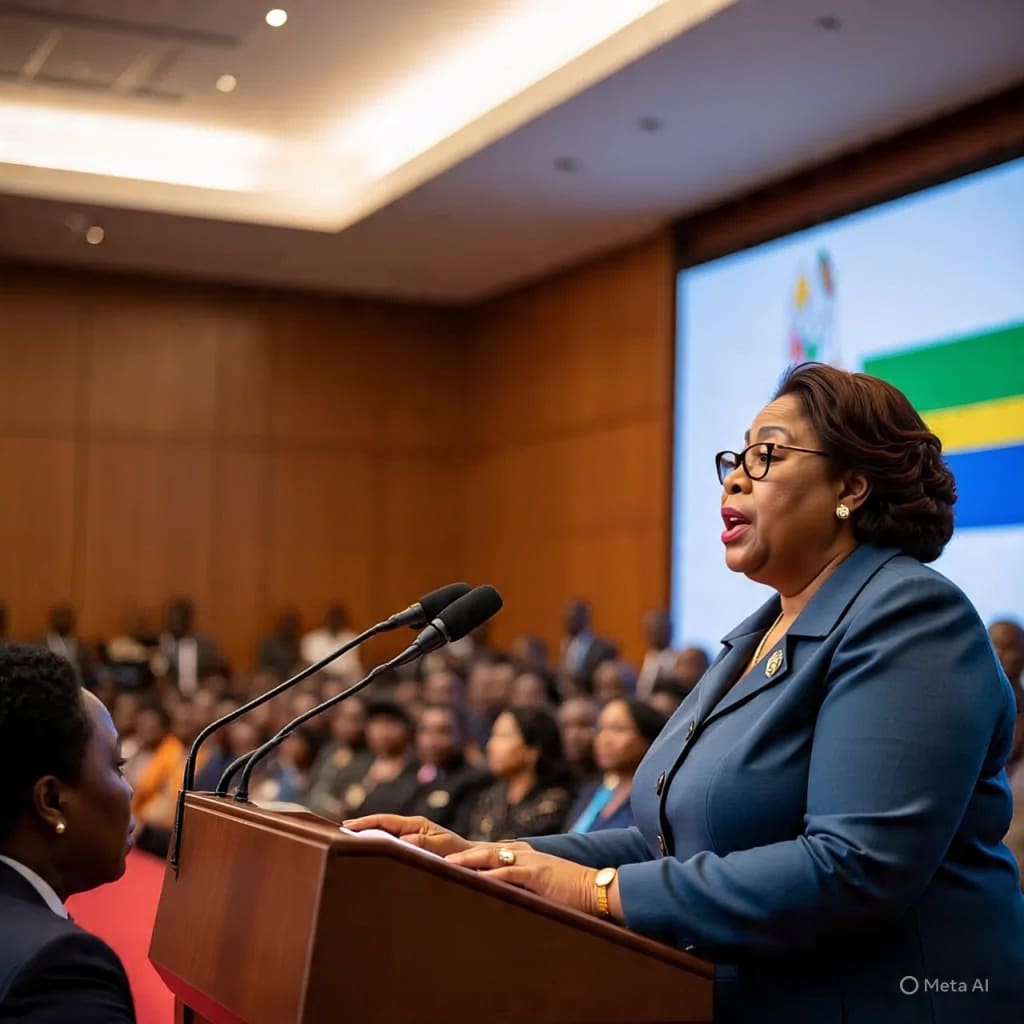
A New Chapter in Tanzanian Politics
When Samia Suluhu Hassan became the president of Tanzania in 2021, the nation entered a new chapter in its history. She was not only the first woman to hold the country’s highest office but also one of the few female leaders in Africa leading a nation at that level. Her calm and inclusive leadership style immediately distinguished her from her predecessors and earned respect both locally and internationally.
Samia’s rise to the presidency came at a challenging moment. Following the passing of former President John Magufuli, she took charge in a time of uncertainty. Many observers doubted how she would manage the political transition. Yet, through measured decisions and steady communication, she built trust and stability within the first months of her leadership.
Early Life and Education
Samia Suluhu Hassan was born on January 27, 1960, in Zanzibar, an island region that later united with Tanganyika to form Tanzania. She grew up in a modest family that valued education and community service. After completing her early studies, she earned a degree in public administration and later studied economics and community development at the University of Manchester in the United Kingdom.
Her education shaped her understanding of governance and social development. It also helped her build a foundation for the calm, analytical approach that now defines her presidency.
Journey Through Public Service
Before becoming president, Samia served in multiple government roles. She began her political career in Zanzibar’s House of Representatives in the early 2000s, where she gained attention for her balanced, issue-focused debates.
Later, she joined the national government, holding ministerial positions that focused on social welfare, gender issues, and community development. Her long experience in administration made her familiar with the country’s grassroots challenges — from education and healthcare to rural development and women’s empowerment.
In 2015, she made history again when she was chosen as the first female Vice President of Tanzania, serving under President Magufuli. For six years, she observed national governance closely and developed a strong understanding of leadership under pressure.
Calm Leadership in a Time of Change
When she assumed the presidency, Samia inherited both opportunities and challenges. Tanzania faced economic difficulties and global scrutiny over its response to the pandemic.
Instead of continuing with hardline positions, she chose a path of dialogue and cooperation. Her leadership style emphasized listening, consultation, and gradual reform. This approach helped rebuild international relationships that had been strained and renewed confidence among local citizens and investors.
She also began encouraging greater participation of women in politics and government, sending a clear message that leadership should reflect society’s diversity.
Economic and Social Reforms
Under Samia’s leadership, Tanzania has worked to strengthen its economic base by supporting private sector growth and improving trade policies. Her government has focused on attracting investment, promoting tourism, and improving infrastructure.
She launched initiatives to empower youth and women through entrepreneurship and education, believing that sustainable development must include every citizen.
Her administration has also been active in healthcare improvement and digital transformation. By modernizing systems and making services more accessible, she aims to reduce inequality and improve quality of life across the country.
Challenges and Criticism
Every leader faces criticism, and Samia Suluhu Hassan is no exception. Balancing reform and continuity in a political system that has long been male-dominated and centralized is not simple.
Some critics say progress has been slow, while others believe her careful pace reflects wisdom in a sensitive political environment. Despite differing opinions, most observers agree that her calm tone and inclusive vision have helped Tanzania maintain stability.
Her response to challenges shows patience and resilience — qualities that have earned her recognition as a thoughtful and diplomatic leader on the African continent.
Global Recognition
Internationally, Samia Suluhu Hassan has become a respected voice in African and global forums. She advocates for fair trade, climate action, and gender equality. Her participation in regional and international summits reflects her belief that cooperation, not isolation, leads to progress.
She has also promoted East African unity and regional integration, working to strengthen ties with neighboring countries. Her diplomatic approach has positioned Tanzania as a steady and reliable partner in African politics.
A Symbol of Strength and Progress
For many Tanzanians, especially women and young people, Samia Suluhu Hassan represents possibility — proof that leadership is not defined by gender but by ability and integrity. Her calm strength contrasts with the often harsh tone of global politics.
Through her leadership, she continues to show that power can be exercised with empathy, and that progress can come through cooperation rather than conflict.
Conclusion
Samia Suluhu Hassan’s presidency marks a defining moment in Tanzania’s story. Her journey from a small island in Zanzibar to the highest office in the country shows how commitment and discipline can overcome social barriers.
She has brought a new style of leadership — thoughtful, steady, and inclusive — that focuses on unity rather than division. In doing so, she has become not only a national leader but also a symbol of African resilience and change.
About the Creator
Saad
I’m Saad. I’m a passionate writer who loves exploring trending news topics, sharing insights, and keeping readers updated on what’s happening around the world.
The Forsyth House Fire
Since 1851, Forsyth House has stood on the corner of Union Street and Gordon Street in the heart of Glasgow. Its iconic, or was... because on Sunday 8th of March, 2026, a fire broke out in a small, seemingly un-named shop in the building and tore all that history down. As I write, the rubble is still unsettled and the street is still blocked off. Central Station is quiet on the upper level, and around 30 small businesses have quite literally gone up in smoke.
By S. A. Crawford3 days ago in The Swamp



Comments
There are no comments for this story
Be the first to respond and start the conversation.