
White House Takes First Step Toward Permanent Fix for Illegal Tariffs
The Biden administration begins a policy shift aimed at correcting controversial trade tariffs and restoring long-term stability to U.S. international trade relationships.
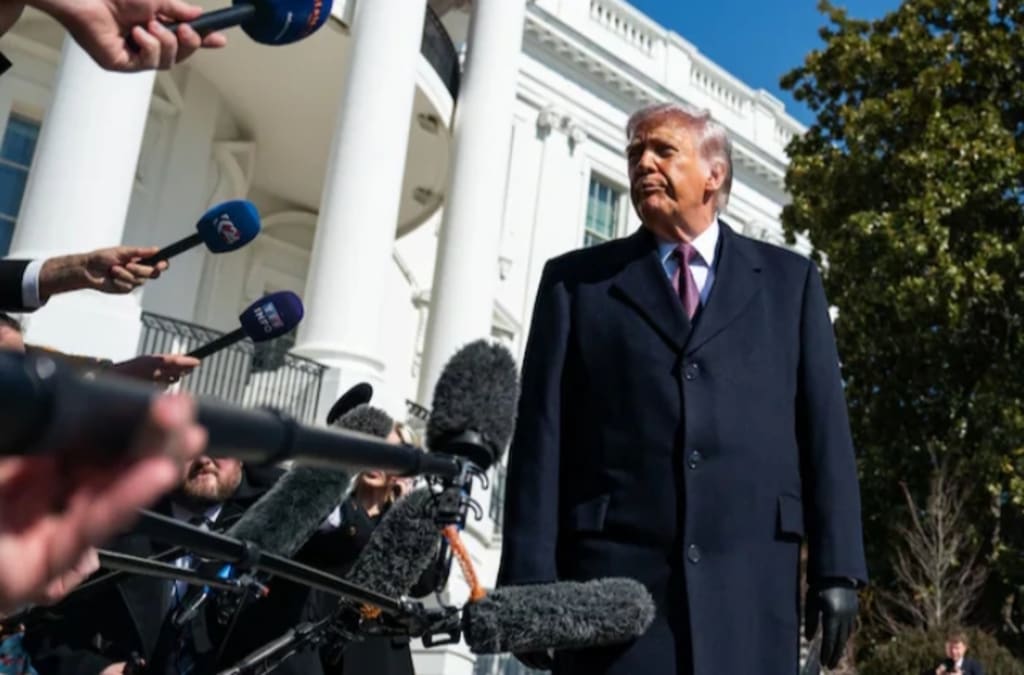
The White House has taken a significant first step toward addressing what many economists and trade experts have described as “illegal tariffs” that have complicated global commerce for years. The move signals a potential shift in U.S. trade policy and could eventually reshape how the country manages tariffs on imported goods.
Officials say the action represents the beginning of a broader effort to create a permanent solution for tariffs that have faced legal challenges, particularly those originally imposed during past trade disputes. The administration’s goal is to bring U.S. trade policies into alignment with domestic law and international obligations while maintaining protections for key American industries.
While the changes are still in their early stages, the announcement has sparked intense debate among lawmakers, businesses, and international trade partners.
Background: The Controversy Over Tariffs
Tariffs — taxes placed on imported goods — are a common tool used by governments to protect domestic industries or respond to unfair trade practices. However, the tariffs in question have been the subject of legal disputes and criticism from economists and trading partners alike.
Many of the contested tariffs were introduced during the administration of Donald Trump, particularly during the U.S.–China trade conflict. These tariffs targeted a wide range of imported products, including steel, aluminum, electronics, and industrial equipment.
Critics argued that some of the tariffs were imposed without sufficient legal justification under U.S. trade law, prompting lawsuits from importers and trade groups.
Several federal court rulings have already challenged aspects of these tariffs, raising questions about whether the government had the authority to impose them in the first place.
What the White House Is Doing Now
The new initiative announced by the White House focuses on creating a legal and permanent framework that would resolve these disputes.
According to administration officials, the first step involves reviewing existing tariff policies and determining which ones could be replaced or modified through updated legislation or regulatory changes.
The administration is also exploring new legal mechanisms that would ensure tariffs meet the requirements of U.S. trade law and international agreements.
The goal is not simply to remove tariffs but to ensure that any tariffs imposed in the future are clearly justified and legally sustainable.
Officials emphasized that the effort is intended to prevent repeated legal battles while giving businesses greater certainty about trade policy.
Why Businesses Want a Resolution
Many American companies have long complained about the uncertainty created by contested tariffs.
Importers often pay tariffs upfront when goods enter the United States. If courts later rule that those tariffs were illegal, the government may be required to issue refunds — sometimes amounting to billions of dollars.
This creates financial uncertainty for businesses that rely on international supply chains.
Industries ranging from manufacturing and technology to retail and agriculture have argued that the ongoing legal disputes make it difficult to plan long-term investments or manage pricing strategies.
Business groups are therefore welcoming the administration’s effort to clarify the rules.
Political Debate Over Tariffs
Despite support from many businesses, the proposed changes are already sparking political debate.
Some lawmakers believe tariffs remain an essential tool for protecting American workers and industries from unfair competition, particularly from countries accused of subsidizing their exports.
Others argue that tariffs function as a hidden tax on consumers, increasing the price of imported goods and raising costs for companies that depend on foreign materials.
Supporters of reform say the goal is not to eliminate tariffs entirely but to ensure they are used strategically and legally.
They argue that a clearer legal framework would strengthen U.S. trade policy while avoiding costly court battles.
Global Trade Implications
The White House’s effort could also affect the United States’ relationships with major trading partners.
Countries including China, Canada, and members of the European Union have previously criticized certain U.S. tariffs as inconsistent with global trade rules.
In some cases, foreign governments responded with retaliatory tariffs on American exports.
By addressing the legal disputes surrounding tariffs, the United States could potentially ease tensions in international trade relationships and reduce the risk of future trade wars.
However, analysts caution that negotiations with major trading partners are likely to remain complex.
Economic Impact
The outcome of the tariff reform effort could have significant economic consequences.
If certain tariffs are removed or reduced, American companies that rely on imported materials may see lower costs, potentially leading to lower consumer prices.
On the other hand, domestic producers who benefit from tariff protection could face increased competition from foreign imports.
Economists note that the overall impact will depend heavily on which tariffs remain in place and how the new system is designed.
For financial markets, the policy shift could signal a move toward greater stability in global trade, which investors generally view as positive.
Challenges Ahead
Although the White House has begun the process, creating a permanent solution will likely take time.
Trade policy changes often require legislative approval from Congress, regulatory updates from federal agencies, and negotiations with international partners.
Legal experts also note that any reforms must withstand potential court challenges to ensure they truly resolve the underlying issues.
For now, the administration’s announcement represents only the first stage of what could become a complex and lengthy policy overhaul.
Looking Forward
The effort to fix disputed tariffs reflects a broader debate about the role of trade policy in the modern global economy.
Balancing domestic economic protection with international cooperation is one of the most difficult challenges facing policymakers.
If the White House succeeds in creating a durable legal framework, it could reduce uncertainty for businesses and strengthen the credibility of U.S. trade policy.
At the same time, the political disagreements surrounding tariffs suggest that the issue will remain a central topic in Washington for years to come.
For businesses, consumers, and global trading partners, the administration’s first step toward addressing illegal tariffs could mark the beginning of a new chapter in U.S. trade policy — one aimed at combining economic competitiveness with legal clarity and international cooperation.
About the Creator
Parallel Protests
I haven't written for quite some time, but I have A LOT of thoughts about yesterday's protest rally against our government's involvement and complicity in America's war on Iran, on the harbourside of my home city Bristol, and I need to put them somewhere. My gorgeous girlfriend is always a loving and listening ear and sharing it all with her will always be a healthy and happy way of processing the mental and emotional weight, but getting it straight in my brain to share means writing it all down in straight lines, so, here we are and thanks for being here.
By Steph Cole9 days ago in The Swamp



Comments
There are no comments for this story
Be the first to respond and start the conversation.