
Sam’s Club Makes Major Product Change as Shoppers Cut Back
The retail giant adjusts its offerings as consumers rethink spending habits in an era of economic uncertainty.

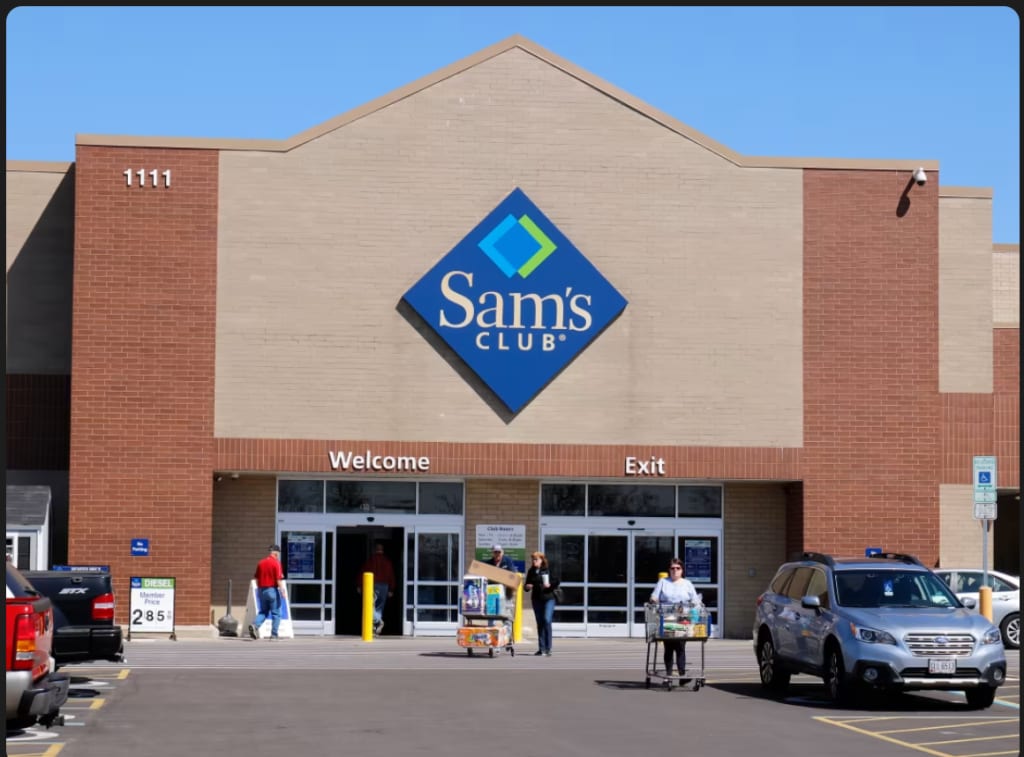
Sam’s Club, the membership-based retail giant known for bulk products and discounted prices, has reportedly made a significant product change in response to shifting consumer behavior. With shoppers increasingly cautious about spending amid inflation concerns, the company is re-evaluating its inventory, pricing strategies, and product selection to better align with what members want—and can afford.
This move highlights a broader trend in retail: consumers are more mindful of discretionary spending, and even large retailers like Sam’s Club are adapting to avoid overstock, manage costs, and retain customer loyalty. The recent adjustments also underscore how economic pressures ripple through supply chains, product lines, and even marketing strategies.
Why Shoppers Are Cutting Back
The reasons behind reduced consumer spending are multifaceted. Rising inflation, stagnant wages, and higher costs for essentials such as groceries, gas, and utilities have led many households to tighten their budgets. According to recent surveys, Americans are prioritizing necessities over luxury items or bulk purchases, changing the way they shop at warehouse clubs like Sam’s Club.
Bulk purchases, a staple of Sam’s Club’s business model, are particularly affected. While buying in larger quantities often provides cost savings per unit, consumers may no longer have the disposable income to stock up in bulk. This has created a dilemma for retailers: continue offering traditional bulk items and risk unsold inventory, or adjust product offerings to smaller, more affordable quantities that match current spending habits.
The Product Change at Sam’s Club
While the company has not disclosed all specifics, industry sources suggest that Sam’s Club is shifting some of its focus away from large-volume packs for certain categories and toward smaller, more budget-friendly options. This adjustment reflects a direct response to consumer demand, allowing shoppers to purchase what they need without overcommitting financially.
In addition to package sizes, the product mix itself is being reviewed. High-ticket discretionary items such as electronics, premium home goods, and certain seasonal products may see reductions in stock or promotion, while essentials like groceries, household staples, and everyday consumer goods remain a priority. This realignment is designed to maintain foot traffic and membership engagement while minimizing the risk of unsold inventory.
Impact on Membership and Shopper Behavior
Membership clubs like Sam’s Club rely heavily on a consistent subscriber base. The product changes aim to reassure existing members that the club remains relevant and responsive to their needs, even in challenging economic times.
For shoppers, these changes could be a double-edged sword. On one hand, more affordable product options and better-aligned inventory may make it easier to stretch a dollar. On the other hand, consumers accustomed to buying in bulk or seeking specific premium items may need to adjust their shopping habits or explore alternative retailers.
Analysts suggest that Sam’s Club is likely to monitor customer feedback closely, adjusting its strategy as needed. Retailers that fail to align inventory with consumer demand risk losing market share, especially when shoppers have a wider array of competitors—from Walmart and Costco to online marketplaces like Amazon.
Economic Context and Retail Trends
Sam’s Club’s product change comes amid broader trends in the retail sector. Across the United States, shoppers are exhibiting more cautious behavior:
Reduced discretionary spending: Consumers are prioritizing essentials over luxury or non-essential purchases.
Smaller basket sizes: Rather than buying in bulk, shoppers are choosing smaller quantities to manage cash flow.
Price sensitivity: Deals, discounts, and loyalty programs are increasingly important in influencing purchase decisions.
Retailers have responded with strategies ranging from smaller pack sizes and private-label products to limited-time promotions and digital engagement to drive foot traffic and online sales. Sam’s Club’s approach is consistent with these industry-wide adjustments, demonstrating a willingness to pivot in response to economic signals.
What This Means for Competitors
For other warehouse clubs and retailers, Sam’s Club’s shift could signal both opportunity and competition. Costco, for example, may see an uptick in shoppers seeking the bulk experience, while smaller grocery chains or online retailers could benefit from consumers seeking flexibility and smaller packages.
Moreover, the emphasis on essentials over discretionary items suggests that retailers who can provide quality staples at competitive prices are likely to attract a broader customer base. This aligns with a larger retail trend: in uncertain times, value-oriented shopping and practicality trump brand loyalty or premium offerings.
How Sam’s Club Is Adapting Beyond Products
Product changes are only one part of Sam’s Club’s strategy. The company is also leveraging technology and marketing to maintain engagement:
Digital tools: Sam’s Club has been expanding its online ordering and curbside pickup options, making shopping more convenient and reducing barriers for cautious consumers.
Targeted promotions: Personalized offers based on purchase history allow the retailer to maximize relevance and drive sales without overstocking.
Member engagement: Loyalty programs, early access to deals, and special events are being used to retain subscribers and maintain foot traffic.
These strategies reflect a holistic approach, combining product changes with operational and marketing adjustments to meet evolving consumer needs.
Looking Ahead: Retail in a Shifting Economy
As the economic landscape continues to fluctuate, retailers like Sam’s Club must remain agile. Consumer habits are unlikely to return to pre-inflation patterns overnight, and businesses that anticipate and respond to these shifts will be better positioned to succeed.
For Sam’s Club, the recent product adjustments demonstrate an understanding of current realities. By focusing on affordability, essentials, and convenience, the company is seeking to maintain its relevance and ensure membership loyalty even as shoppers cut back.
Ultimately, the changes at Sam’s Club underscore a broader lesson for retailers: flexibility and responsiveness are key in a market defined by uncertainty. Retailers who adapt to consumer behavior—rather than attempting to dictate it—stand the best chance of weathering economic challenges and maintaining growth.
Final Thoughts
Sam’s Club’s major product change is more than a simple inventory update; it’s a strategic response to shifting consumer behavior in a complex economic environment. By offering smaller, more affordable product options and prioritizing essentials, the retailer is positioning itself to meet members’ needs while navigating the realities of modern spending habits.
For shoppers, the changes may require adjustments in shopping habits—but they also offer opportunities to manage household budgets more effectively. For the retail industry, Sam’s Club’s move serves as a case study in adaptability, demonstrating how even established brands must evolve to survive and thrive in uncertain times.
As economic pressures persist, retailers that anticipate consumer needs, streamline product offerings, and leverage technology will likely emerge stronger, proving that sometimes, adjusting course is the smartest strategy of all.
About the Creator
Muhammad Hassan
Muhammad Hassan | Content writer with 2 years of experience crafting engaging articles on world news, current affairs, and trending topics. I simplify complex stories to keep readers informed and connected.
Keep reading
More stories from Muhammad Hassan and writers in The Swamp and other communities.
The Plan for a Gaming-Themed Atari Hotel in Las Vegas Has Reportedly Been Scrapped
Las Vegas has long been synonymous with bold entertainment ventures, from glitzy casinos to over-the-top themed resorts. Among the most anticipated announcements in recent years was the plan for a gaming-themed Atari hotel, a concept that promised to merge nostalgia, cutting-edge gaming, and immersive experiences. Fans of the classic video game brand eagerly followed every update, dreaming of a hotel where Pong paddles, Asteroids, and Centipede came to life. However, according to recent reports, the project has reportedly been scrapped. While the reasons for the cancellation remain somewhat unclear, industry experts suggest a mix of financial challenges, shifting market conditions, and evolving Las Vegas tourism trends contributed to the decision. For gamers and investors alike, the news is a significant disappointment, marking the end of an ambitious attempt to bring a beloved brand into the hospitality and entertainment space. A Dream of Gaming Immersion The Atari hotel was first announced with considerable fanfare, promising a resort where video games would be more than a theme—they would be the very foundation of the guest experience. Plans included rooms equipped with retro and modern gaming setups, virtual reality zones, esports arenas, and interactive installations designed to immerse visitors in the world of classic Atari games. The hotel also aimed to appeal to nostalgia-driven millennials and Gen Z travelers, tapping into the resurgence of retro gaming culture. For many, the thought of walking through a lobby shaped like a giant arcade machine or attending a VR Pac-Man tournament was enough to spark excitement. Investors saw an opportunity to capitalize on the intersection of entertainment, technology, and hospitality in a city already renowned for innovation in themed resorts. Challenges Behind the Scenes Despite the initial buzz, several challenges reportedly plagued the project. First and foremost was financing. Developing a fully immersive gaming hotel in Las Vegas is no small feat—it requires substantial capital investment not only for construction but also for technology, licensing, and staffing. Securing and maintaining such investment can be difficult, especially in an economic climate where tourism revenues fluctuate unpredictably. Additionally, competition in Las Vegas is fierce. Resorts increasingly differentiate themselves through luxury, unique entertainment, or celebrity partnerships. A niche concept like a gaming-themed hotel, while exciting in theory, may have struggled to attract the level of mainstream attention required to sustain long-term profitability. Operational logistics also posed hurdles. Integrating high-tech gaming experiences, VR systems, and esports arenas into a hotel environment requires ongoing maintenance, updates, and specialized staff. The costs and complexity of running such a venture may have outweighed projected returns, contributing to the decision to cancel. Industry Reactions The cancellation has elicited mixed reactions from the gaming and hospitality communities. Fans of Atari expressed disappointment on social media, with some sharing nostalgic memories of their first gaming experiences and expressing hope that the project might be revived in the future. Industry analysts, however, see the decision as understandable. “Conceptually, it’s a great idea, but execution is extremely challenging,” said one analyst specializing in Las Vegas resorts. “The cost, operational complexity, and niche appeal make it a risky investment, especially in a city where traditional casino and resort models dominate.” Esports enthusiasts, another potential target audience, also reacted with caution. While gaming tournaments and VR experiences continue to gain popularity, they are often hosted in dedicated arenas or temporary venues, rather than integrated into full-scale hotels. Analysts suggest that the future of gaming-focused hospitality may lie in more flexible, pop-up experiences rather than permanent resorts. Lessons from the Atari Hotel Journey The rise and fall of the Atari hotel plan highlights several lessons about branded entertainment ventures. First, nostalgia alone is rarely enough to sustain a large-scale hospitality project. While Atari’s brand recognition is strong, converting it into a profitable hotel requires broad appeal and meticulous planning. Second, market timing and economic conditions play a critical role. Las Vegas, while resilient, is sensitive to shifts in tourism trends, labor costs, and consumer spending habits. Projects that might have been feasible a few years ago can become untenable as market dynamics change. Third, innovation in hospitality carries inherent risk. Incorporating high-tech features, interactive installations, and gaming experiences into a hotel adds operational complexity that traditional resorts do not face. Balancing innovation with practicality is key to long-term success. What This Means for Las Vegas and Gaming Fans For Las Vegas, the cancellation of the Atari hotel signals a shift in the types of themed entertainment projects that are viable. While the city will undoubtedly continue to attract ambitious, eye-catching developments, projects that require niche appeal or heavy tech integration may face higher scrutiny from investors. For gaming fans, the news is bittersweet. While the dream of an Atari hotel may be over, the growing popularity of esports arenas, VR arcades, and retro gaming bars suggests that immersive gaming experiences are far from extinct. Fans can still enjoy gaming-themed entertainment, albeit in smaller or more flexible formats than a full-scale hotel resort. Could the Project Be Revived? While reports indicate the plan has been scrapped, it’s worth noting that cancellation does not always mean permanent defeat. Companies frequently revisit ambitious projects once market conditions improve, technology costs decrease, or investor interest rises. For now, though, the Atari hotel remains a “what could have been” in the annals of Las Vegas entertainment history. Meanwhile, the broader trend of integrating gaming into lifestyle and hospitality experiences continues. Hotels, bars, and entertainment venues are experimenting with VR, esports tournaments, and gaming lounges, offering a glimpse of what an Atari hotel might have been—but in a more incremental, scalable way. Final Thoughts The cancellation of the Atari hotel is a reminder that even the most iconic brands face challenges when entering new industries. While the project promised nostalgia, innovation, and immersive fun, financial and operational realities ultimately prevailed. For Las Vegas, the city’s reputation as a hub for bold, imaginative entertainment endures—but the Atari hotel will remain a curious footnote, a symbol of ambition and the ever-evolving intersection between gaming and hospitality. For fans, the hope now lies in alternative gaming experiences that capture the spirit of Atari, if not the full grandeur of a dedicated hotel. Though the joystick may have been put down for now, the quest for immersive gaming entertainment is far from over.
By Muhammad Hassan2 months ago in The Swamp
The Forsyth House Fire
Since 1851, Forsyth House has stood on the corner of Union Street and Gordon Street in the heart of Glasgow. Its iconic, or was... because on Sunday 8th of March, 2026, a fire broke out in a small, seemingly un-named shop in the building and tore all that history down. As I write, the rubble is still unsettled and the street is still blocked off. Central Station is quiet on the upper level, and around 30 small businesses have quite literally gone up in smoke.
By S. A. Crawforda day ago in The Swamp
Hottest in the Office
Dear Rafi, You’re very distracting to work around. For the first second I saw you the other day, I thought you were some type of executive. It took a moment to realize no, you were just the new guy, dressed up for the job he wants. Be still, my heart.
By Gabriel Shames4 days ago in Pride




Comments
There are no comments for this story
Be the first to respond and start the conversation.