
Russia Launches ‘Most Powerful’ Blitz on Ukraine’s Energy Sector
A Massive Missile-and-Drone Assault Deepens Winter Hardship and Raises Fresh Fears Over Infrastructure Security

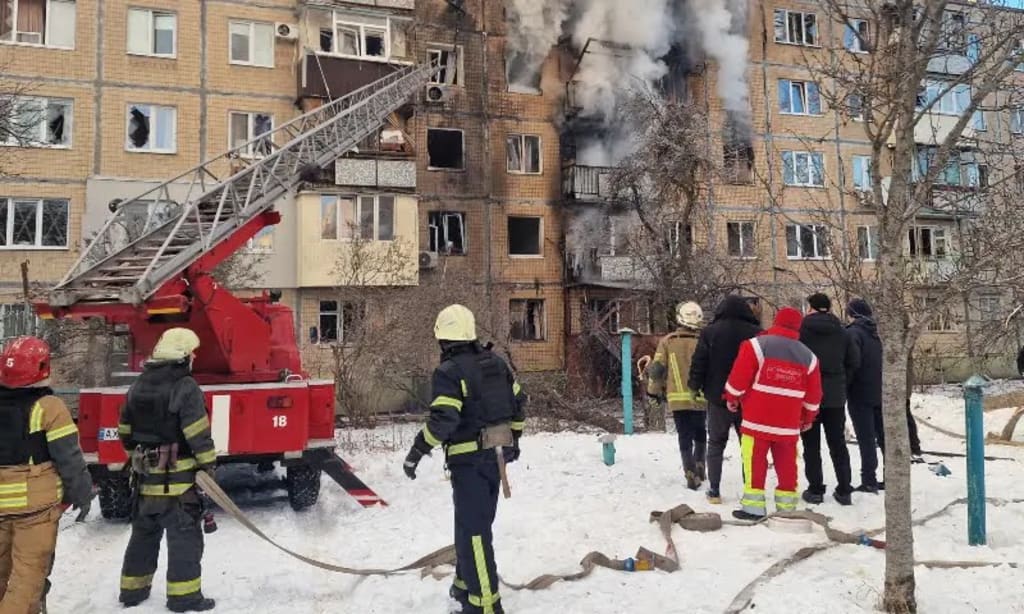
Russia has launched what Ukrainian officials are calling the most powerful strike on Ukraine’s energy sector so far this year, unleashing a wave of missiles and drones that targeted power plants, electricity networks, and heating facilities across multiple regions.
The large-scale assault comes at a critical time—mid-winter, when millions of Ukrainians depend heavily on stable electricity for heating, water supply, communication, and daily survival. The attack has once again highlighted how the war has evolved into a conflict not only on the battlefield, but also against civilian infrastructure.
In this blog, we break down what happened, why the energy sector is being targeted, and what the long-term consequences could be for Ukraine’s people and its economy.
What Happened in the Latest Attack?
According to Ukraine’s energy authorities and private power providers, Russia launched a major overnight barrage that hit key parts of the country’s energy system.
Reports indicate the strike included a combination of:
Cruise missiles
Ballistic missiles
Shahed-style attack drones
Coordinated strikes aimed at both power generation and power distribution
Several Ukrainian regions reported damage, emergency blackouts, and disruptions to heating and electricity services.
Energy providers described the damage as extensive, and officials warned that outages could continue as repair crews work around the clock to stabilize the system.
Which Areas Were Affected?
While exact damage assessments take time, Ukrainian sources indicated that multiple parts of the country were affected, including major urban centers and surrounding regions.
Some of the hardest-hit areas included:
Kyiv region
Kharkiv region
Dnipro region
Odesa region
Parts of central and eastern Ukraine
In several cities, residents reported sudden power cuts and heating disruptions—an especially dangerous scenario during freezing temperatures.
Why Is Russia Targeting Ukraine’s Energy Sector?
Ukraine’s energy infrastructure has been under attack since the early stages of the war. But the intensity of this latest blitz suggests a renewed focus on disrupting civilian life and weakening national resilience.
Experts say there are several reasons Russia continues to target energy systems:
1. Winter Pressure Strategy
Winter is the most vulnerable season for infrastructure-based attacks. Cutting electricity and heat can create:
Health emergencies
Humanitarian crises
Increased internal displacement
Greater strain on government services
2. Economic Disruption
Energy instability hurts:
Manufacturing
Transportation
Banking and payment systems
Business operations
Even a few days of outages can lead to major economic losses.
3. Psychological Warfare
Energy attacks are not only tactical—they are psychological. When civilians lose heat, light, and communication, fear and frustration rise, and morale can suffer.
How Bad Is the Damage?
Ukrainian energy providers described the strike as one of the strongest assaults on energy infrastructure in 2026 so far.
While the full scale of destruction is still being evaluated, early reports suggest:
Power generation facilities were hit
Grid components were damaged
Heating systems faced disruptions
Repairs may take days in some areas, longer in others
Ukraine has become skilled at restoring electricity quickly after attacks. However, repeated strikes wear down the system and make repairs increasingly difficult.
The Human Cost: Winter Blackouts and Heating Loss
For civilians, the most immediate danger isn’t political—it’s survival.
When electricity goes out in winter, the impact can be severe:
Homes lose heating
Water pumps stop working
Mobile networks weaken
Hospitals and emergency services depend on generators
Elderly and children become vulnerable to cold-related illness
Even short blackouts can become dangerous if temperatures remain below freezing.
In some areas, authorities urged citizens to conserve power and prepare for possible longer disruptions.
Ukraine’s Response: Repairs, Emergency Plans, and Air Defense Needs
Ukrainian utility workers and emergency teams responded immediately after the attack, working under difficult conditions to restore service.
The response typically includes:
Emergency power redistribution
Rolling blackouts to balance supply
Repairs to damaged substations and lines
Generator support for hospitals and shelters
However, Ukrainian officials continue to stress that repair work alone is not enough.
The country’s biggest long-term need remains:
Stronger Air Defense Systems
Ukraine has repeatedly asked Western allies for:
More air defense missiles
Better radar coverage
Advanced systems capable of intercepting drones and missiles
Protecting energy infrastructure is difficult, but improved defense can reduce the scale of future damage.
Diplomatic Timing: A Strike That Sends a Message
The timing of the assault has raised attention internationally, especially as discussions about negotiations and diplomatic efforts continue in the background.
Ukraine’s leadership has argued that major infrastructure attacks—especially during winter—undermine trust and complicate any attempt at serious peace discussions.
For many observers, the attack signals that Russia is still committed to applying maximum pressure, even as global calls for de-escalation grow louder.
Long-Term Implications for Ukraine’s Energy Future
Beyond immediate blackouts, repeated strikes on the energy system create long-term national challenges.
1. Higher Reconstruction Costs
Repairing power plants, substations, and grids costs billions—money Ukraine could otherwise spend on:
Healthcare
Education
Economic recovery
2. Increased Energy Dependence
Damage to domestic power generation can increase reliance on:
Emergency imports
Backup fuel sources
Temporary power solutions
3. Slower Economic Growth
Energy instability discourages investment and slows business activity, especially in industrial regions.
4. Infrastructure Modernization
On the other hand, some experts say Ukraine may rebuild with:
Stronger, modern grids
Decentralized energy systems
More renewable and resilient power solutions
But modernization takes time—and requires stability.
FAQs
Is this the worst energy strike of the war?
It’s being described as the most powerful attack on Ukraine’s energy sector so far in 2026, though Ukraine has faced similarly devastating waves in previous years.
Why does Russia keep attacking energy infrastructure?
Because energy systems are critical for civilian survival and economic stability. Damaging them increases pressure on both the government and the public.
Are civilians directly affected by these strikes?
Yes. The most immediate effects include power outages, heating loss, water disruptions, and strain on hospitals and emergency services.
How quickly can Ukraine restore power?
Ukraine has developed strong repair and recovery systems, but repeated attacks make restoration harder and slower over time.
Could these attacks influence peace negotiations?
Many analysts believe so. Large strikes often harden public sentiment, reduce trust, and complicate diplomatic efforts.
Conclusion
Russia’s latest strike—described as the most powerful blitz on Ukraine’s energy sector this year—shows how the war continues to evolve into a conflict where civilian infrastructure is a central target.
For Ukraine, the challenge is no longer only defending territory, but also defending the systems that keep daily life functioning: electricity, heating, water, and communication.
As winter continues, Ukraine’s ability to repair damage quickly will remain crucial. But long-term stability depends on stronger air defenses, infrastructure resilience, and sustained international support.
About the Creator
Asad Ali
I'm Asad Ali, a passionate blogger with 3 years of experience creating engaging and informative content across various niches. I specialize in crafting SEO-friendly articles that drive traffic and deliver value to readers.
The Saddest Thing - The Billionaires Who Rule America Aren't Even Enjoying Themselves
This single post says more about our ruling class than a thousand policy papers. The saddest thing about today's system is that the men robbing the rest of us - sabotaging our economic prospects, our pensions, our access to affordable healthcare - are not even happy.
By Scott Christenson🌴6 days ago in The Swamp
Morocco Joins Nigeria, Egypt, Ghana, Algeria, Senegal, and Others in Facing a Travel Setback to the US as the Government Cracks Down on Economic Stability by Freezing Visa Processing for Nationals of Over Twenty-Six African Countries Starting This Month
In a move that has sparked concern across the African continent, the United States government has announced a temporary freeze on visa processing for nationals of more than twenty-six African countries, including Morocco, Nigeria, Egypt, Ghana, Algeria, and Senegal. Beginning this month, applicants from these nations are facing new delays and uncertainty as U.S. authorities tighten immigration controls in response to what officials describe as concerns over economic stability and immigration compliance.
By Sajida Sikandar3 days ago in The Swamp




Comments
There are no comments for this story
Be the first to respond and start the conversation.