
Russia Claims to Capture Pokrovsk: Ukraine Dismisses ‘Loud Statements’ Ahead of Witkoff Talks
How Moscow’s bold claim and Kyiv’s sharp denial reveal a growing battle for global influence.

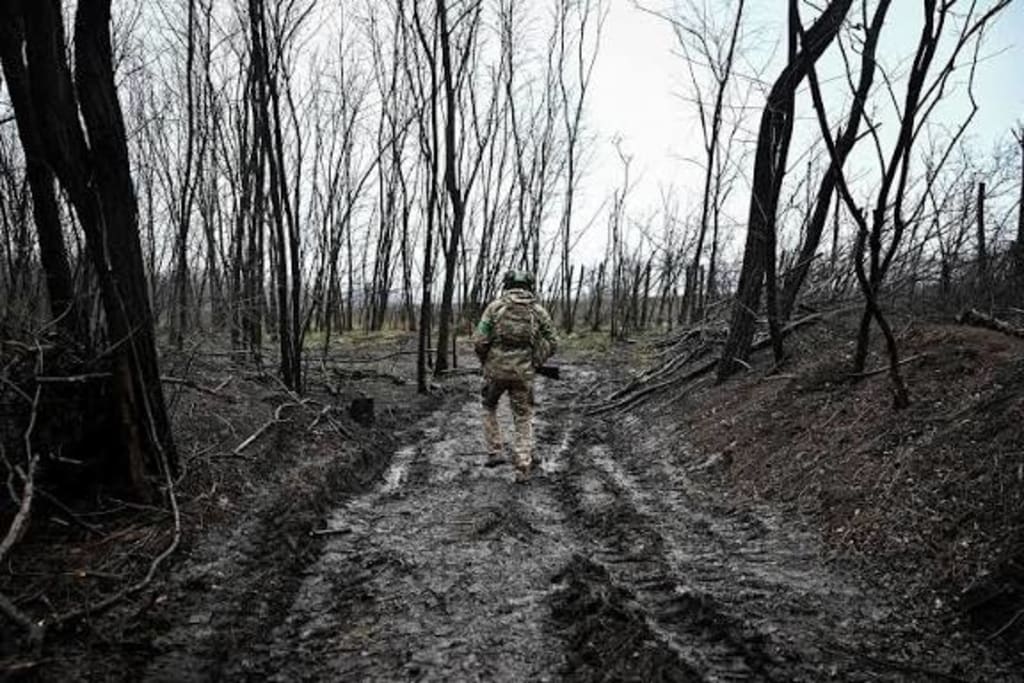
As the Russia-Ukraine war enters yet another tense phase, the battle for information has become just as fierce as the battle on the ground. This week, Moscow announced that its forces had successfully captured the key eastern city of Pokrovsk, a major logistics hub in the Donetsk region. But within hours of Russia’s claim, Ukraine firmly rejected the statement, calling it “another loud propaganda message” timed to influence global negotiations, including the upcoming talks involving U.S. businessman Steven Witkoff and other international mediators.
The contrast between Russia’s assertion and Ukraine’s dismissal highlights a deeper struggle over narratives, power, and global perception. And with talks approaching that could shape future support and diplomatic strategies, both sides are pushing their messaging harder than ever.
Why Pokrovsk Matters
Pokrovsk is more than just a location on the map. It sits at a strategic intersection that connects several supply routes running into the heart of the Donbas. For Russia, controlling it would mean tightening its hold over occupied areas and disrupting Ukrainian troop movements and aid deliveries.
For Ukraine, holding onto Pokrovsk symbolizes resilience. Losing it would complicate defensive operations in Donetsk and could signal to the international community that Russia is gaining new momentum on the battlefield.
Given its importance, it is no surprise that both sides are using bold statements to shape the narrative.
Ukraine Pushes Back Against Russia’s Assertion
Shortly after Russian officials celebrated what they described as a “major victory,” Ukraine’s military command issued a clear denial. Ukrainian spokespersons insisted that fighting was still ongoing in and around Pokrovsk and that Russia’s announcement was premature and politically motivated.
This is not the first time such contradictory reports have surfaced. Throughout the war, both sides have strategically released information to boost morale, weaken the opponent, or sway international opinion. In this case, Ukrainian officials argue that Russia wants to appear strong ahead of key diplomatic engagements.
“This is information warfare,” one Ukrainian analyst said. “Russia wants headlines. But the situation on the ground is far more complex.”
The Timing: Ahead of Witkoff Talks
The claim comes just as Ukraine prepares for a significant round of discussions that include Steven Witkoff, a major U.S. real estate figure who has become increasingly involved in back-channel conversations about reconstruction, investment, and post-war recovery.
These talks are expected to focus on:
Ukraine’s long-term economic rebuilding
Western security commitments
Funding for energy and infrastructure stability
Diplomatic efforts to pressure Russia
With tension rising around these discussions, Ukraine believes Russia is trying to project control and inevitability.
“Russia understands the symbolic power of cities,” another official noted. “Claiming Pokrovsk is an attempt to appear unstoppable. It sends a message not just to Ukraine, but to those planning future negotiations.”
---
Russia’s Strategy: Gains on the Map, Gains in the Media
Moscow’s approach combines military operations with strategic messaging. Announcing territorial victories — even when they are contested — allows Russia to:
project strength to its domestic audience
pressure Western partners to reconsider aid
create doubt around Ukraine’s stability
influence diplomatic negotiations
By framing itself as advancing, Russia hopes to weaken Ukraine’s leverage in political dialogues and international support systems.
However, analysts caution that even if Russia controls parts of Pokrovsk, holding the territory long-term may be difficult. Ukrainian forces have repeatedly regrouped and launched counterattacks in similarly contested areas.
Ukraine’s Counter-Messaging: ‘We Are Still Fighting’
Ukraine’s leadership is careful not to allow panic or defeatism to spread. Their messaging focuses on stability, international unity, and continued resistance.
Officials stressed that:
Ukrainian troops are still operating in the region
defensive lines are being strengthened
international aid remains steady
Russia’s claims are part of psychological warfare
With major political and financial decisions on the horizon, Ukraine wants the world to see resilience rather than vulnerability.
What Happens Next?
The immediate question is whether control over Pokrovsk will genuinely shift. Even more importantly, how will the claim — true or not — shape the upcoming negotiations?
Military analysts expect:
intensified fighting in Donetsk
more aggressive information tactics from Moscow
Ukraine seeking fresh security guarantees
strong pressure on global partners to increase support
The struggle for Pokrovsk is therefore both a military battle and a strategic communication fight.
Conclusion
Russia’s claim to have captured Pokrovsk and Ukraine’s sharp dismissal reflect a larger truth about the war: the conflict is no longer only about land, but about influence, perception, and political leverage. As the world turns its attention to the Witkoff-linked talks, both sides are working to strengthen their position — not just on the battlefield, but on the global stage.
About the Creator
Fiaz Ahmed Brohi
I am a passionate writer with a love for exploring and creating content on trending topics. Always curious, always sharing stories that engage and inspire.
Keep reading
More stories from Fiaz Ahmed Brohi and writers in The Swamp and other communities.
Tanker Linked to Russia Trade Hit by Explosions Off West Africa’
A Russia-linked tanker was hit by explosions off the coast of West Africa, raising alarm among international shipping authorities and sparking concerns over maritime security in one of the world’s busiest trade regions. While no casualties have been reported so far, the incident has drawn attention to the escalating risks faced by commercial vessels amid ongoing geopolitical tensions.
By Fiaz Ahmed Brohi2 months ago in The Swamp
Haunted Visions
Some images never fade. They linger in the corners of the mind, returning uninvited in dreams, reflections, and quiet moments. These are haunted visions—memories, sights, or imaginings that carry emotional weight long after the moment has passed. Whether born from trauma, imagination, history, or fear, haunted visions shape how we see the world and ourselves.
By Aarif Lashariabout 10 hours ago in The Swamp


Comments
There are no comments for this story
Be the first to respond and start the conversation.