
Rubio Takes Over USAID as State Department Moves to Absorb Humanitarian Agency
"Rubio Leads USAID Overhaul as State Department Centralizes Foreign Aid"
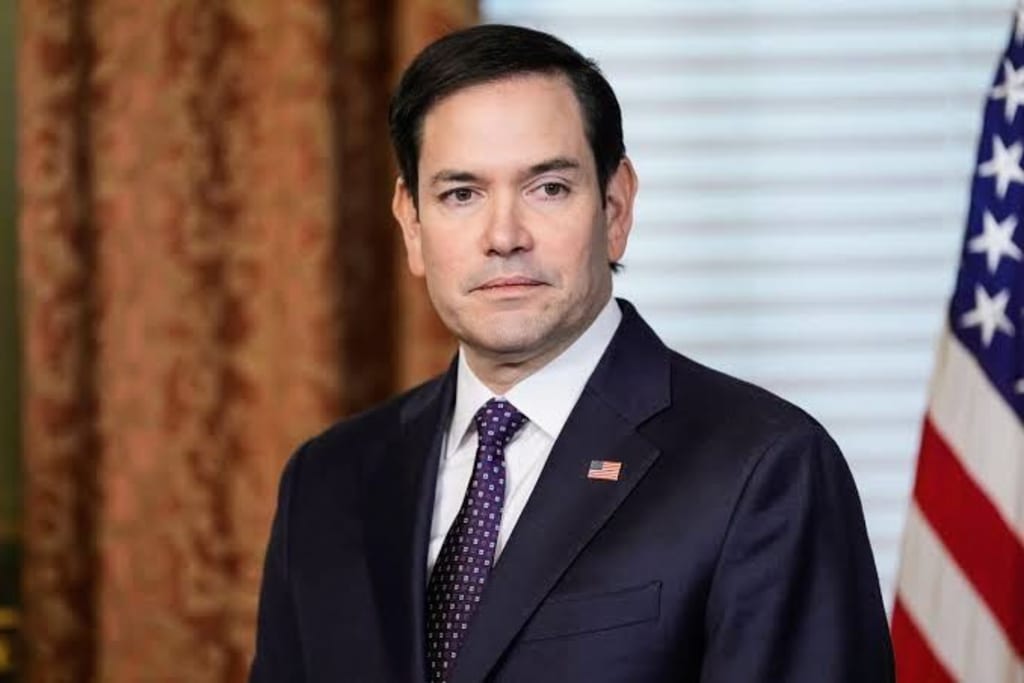
In a major shake-up of U.S. foreign aid, Secretary of State Marco Rubio announced on Monday that he is now acting administrator of the U.S. Agency for International Development (USAID). This confirms that the State Department is taking control of the agency, a move that has sparked controversy and concern among lawmakers, aid organizations, and international partners.
State Department’s Takeover of USAID
Rubio’s announcement came in a letter to Congress, in which he revealed that he had delegated authority to Pete Marocco, a Trump-era official known for his efforts to restructure USAID. Marocco, who also heads foreign assistance at the State Department, played a key role in drafting a directive to freeze most foreign aid.
Some aid officials worry that Marocco’s leadership could lead to the dismantling of USAID’s operations. One unnamed official stated, “He knows how the system works and is dismantling it at every turn.”
Rubio explained that USAID will be reviewed and potentially reorganized to improve efficiency and align with U.S. national interests. “Certain bureaus, offices, and missions may be moved into the State Department, while others could be abolished,” he wrote.
While the State Department claims that the changes will make U.S. foreign assistance more effective, critics fear that the move is politically motivated and could severely limit America’s ability to respond to global crises.
Trump and Musk’s Push for Government Overhaul
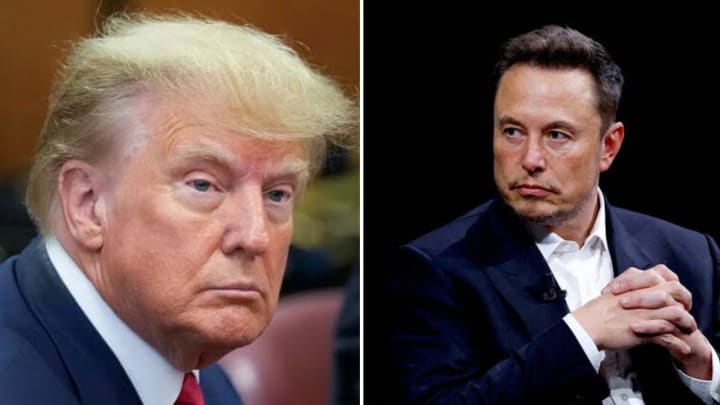
The move comes amid a broader effort by President Donald Trump and business mogul Elon Musk to reform the federal government. Musk, who has been working with Trump on restructuring government agencies, suggested earlier that the president had approved shutting USAID down entirely.
Democrats have strongly opposed this, arguing that the president does not have the authority to close a federal agency without Congress’s approval. However, Trump pushed back, insisting that he doesn’t need congressional approval if fraud is involved.
“Not when it comes to fraud. If there’s fraud, these people are lunatics,” Trump said in an Oval Office interview. He accused USAID of mismanaging funds, particularly during the Biden administration, and promised a report on the agency’s activities soon.
Many observers see this as part of a larger strategy to consolidate executive power and reduce the influence of bureaucratic institutions that Trump and his allies view as obstacles to their agenda. The administration has already moved to streamline other government functions, including environmental regulations and the Department of Education.
Rubio’s Views on Foreign Aid
Rubio’s stance on USAID has shifted over the years. In 2017, he defended foreign aid, calling it crucial for national security. “Foreign Aid is not charity. We must make sure it is well spent, but it is less than 1% of the budget & critical to our national security,” he posted on social media at the time.
However, speaking in El Salvador on Monday, Rubio expressed frustration with USAID, calling it “a completely unresponsive agency.” He insisted that the goal is not to end USAID’s programs entirely but to ensure they align with U.S. foreign policy.
“There are things USAID does that we should continue, and we will continue,” Rubio said.
USAID’s Role and Uncertain Future
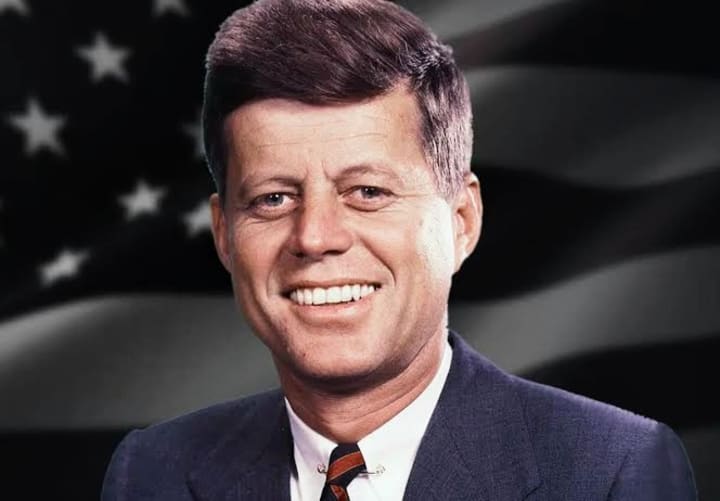
USAID was created in 1961 under President John F. Kennedy to provide humanitarian aid, fight poverty, and support global development. The agency spends billions annually on disaster relief, disease prevention, democracy promotion, and supporting independent media worldwide.
However, its future is now uncertain. Last month, Trump signed an executive order pausing all foreign aid for 90 days, leading to program shutdowns and job losses. Many fear that USAID’s work could be permanently scaled back or even dismantled under the new administration.
Aid organizations warn that reducing USAID’s role could have devastating consequences for vulnerable populations around the world. Programs focused on food security, health care, and conflict prevention could face severe cuts, potentially destabilizing regions already facing crises.
International allies have also expressed concern, with European and African leaders questioning whether the U.S. will continue its commitments to global development. Some experts argue that reducing foreign aid could weaken U.S. influence abroad, allowing competitors like China and Russia to fill the gap.
The Political Battle Ahead
As the debate continues, all eyes are on Congress and the State Department to see what happens next. Lawmakers on both sides of the aisle are expected to push back against the administration’s efforts, with Democrats vowing to introduce legislation to protect USAID’s independence.
Rubio, for his part, has reassured skeptics that the goal is reform, not destruction. However, with Trump and Musk advocating for sweeping changes, it remains to be seen how much of USAID will remain intact once the restructuring is complete.
With foreign aid programs in limbo, millions around the world could be affected by the decisions made in Washington in the coming months.



Comments
There are no comments for this story
Be the first to respond and start the conversation.