
RNLI Issues Urgent Warning as Powerful Waves Put Coastal Visitors at Risk
As unpredictable sea conditions increase, the RNLI urges the public to respect the ocean and follow lifesaving safety advice.

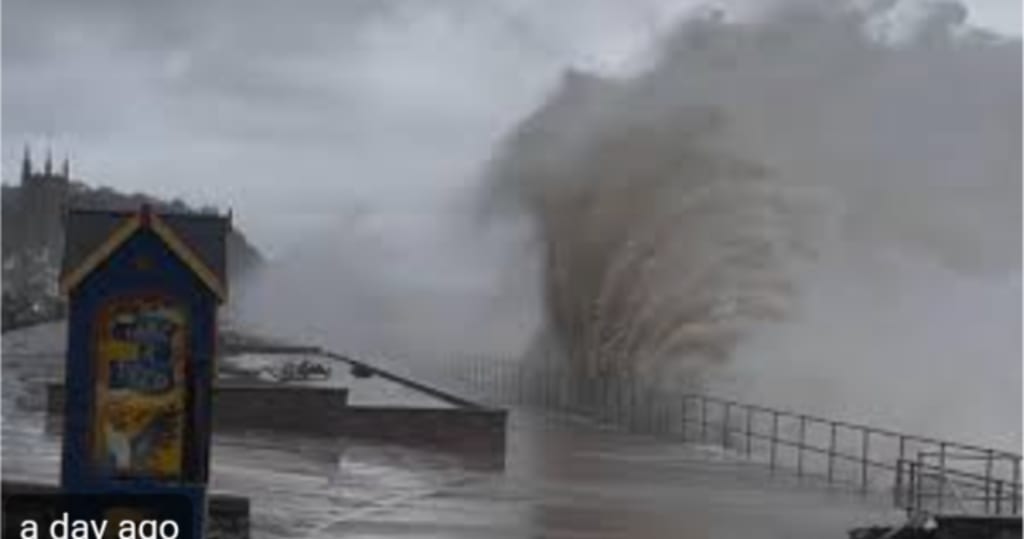
The Royal National Lifeboat Institution (RNLI) has issued a renewed safety warning to coastal visitors following a rise in incidents caused by powerful and unpredictable waves. As beaches and coastlines attract more walkers, swimmers, and sightseers, the charity is reminding the public that the sea can change in an instant, turning a peaceful shoreline into a dangerous environment.
Large and sudden waves, often referred to as “rogue” or “unexpected” waves, are among the greatest hazards faced by people near the water’s edge. These waves can appear without warning, sweeping people off rocks, piers, and beaches in seconds. According to the RNLI, many rescues happen not because people enter the water intentionally, but because they underestimate the strength and reach of the sea.
The ocean is constantly influenced by tides, wind, and distant weather systems. Even on calm, sunny days, strong waves can travel long distances from storms far offshore. When these waves reach shallow coastal areas, they can break with greater force than expected. This is particularly dangerous around rocky coastlines, cliffs, and harbour walls where people may stand too close to the edge for photos or sightseeing.
RNLI volunteers and lifeguards regularly witness how quickly conditions can become life-threatening. A moment of distraction can lead to a slip, a loss of balance, or sudden immersion in cold water. Cold shock, which occurs when the body enters cold water unexpectedly, can make it difficult to breathe or swim and increases the risk of drowning.
The charity stresses that waves are not only dangerous for swimmers but also for walkers and families enjoying coastal views. Many accidents involve people who never intended to go into the sea. Wet and slippery rocks combined with strong surging water create a hidden risk that is often overlooked.
To help prevent accidents, the RNLI encourages people to follow a few simple but crucial safety steps. Staying well back from the water’s edge is one of the most important precautions. This is especially vital during high tide or when waves are visibly large. Wearing suitable footwear with good grip can also reduce the risk of slipping on rocks or seaweed-covered surfaces.
Parents and guardians are advised to keep children under close supervision at all times near the coast. Children are naturally curious and may not recognize the danger posed by waves. A safe distance from the shoreline can help ensure that playtime does not turn into an emergency situation.
For those who do find themselves swept into the sea, the RNLI’s advice is clear: try to remain calm and float on your back. Floating helps conserve energy and allows the body to regain control of breathing after cold shock. Once breathing is steady, individuals can signal for help or attempt to reach safety if possible.
Another key message from the RNLI is the importance of checking weather and sea conditions before visiting the coast. Local forecasts, tide times, and warning signs posted at beaches provide valuable information about potential hazards. Ignoring these signs can place both visitors and rescue teams in danger.
The RNLI also reminds the public that lifeguarded beaches offer the safest places to swim and enjoy the water. Lifeguards are trained to monitor wave conditions and advise when it is safe to enter the sea. Their presence significantly reduces the likelihood of serious incidents.
Recent years have seen an increase in coastal tourism, with more people seeking outdoor activities and scenic locations. While this has brought renewed appreciation for nature, it has also led to more accidents involving waves and unstable coastal areas. The RNLI believes that education and awareness are the strongest tools in preventing tragedies.
Volunteers who respond to emergencies often describe the emotional toll of rescuing individuals who underestimated the sea. Every rescue is a reminder of how fragile human life can be against the power of nature. Their message is not meant to discourage people from enjoying the coast, but to encourage respect for the environment and informed decision-making.
Waves may appear beautiful and calming, but they can hide immense force beneath their surface. A single strong surge can knock an adult off their feet, drag them into deeper water, or trap them against rocks. These dangers are not always visible until it is too late.
The RNLI’s safety warning serves as a timely reminder that coastal enjoyment must be balanced with caution. Simple actions such as keeping distance from the edge, checking conditions, and staying alert can save lives. Awareness turns visitors into safer explorers and helps ensure that a day at the beach does not end in tragedy.
As summer approaches and more people head toward the sea, the RNLI’s message is clear: admire the waves, but never underestimate them. The ocean deserves respect, and safety should always come first.
About the Creator
Sajida Sikandar
Hi, I’m Sajida Sikandar, a passionate blogger with 3 years of experience in crafting engaging and insightful content. Join me as I share my thoughts, stories, and ideas on a variety of topics that matter to you.
Keep reading
More stories from Sajida Sikandar and writers in The Swamp and other communities.
Why Fried Chicken Restaurants Continue to Rule the Comfort Food Scene
Few foods inspire the same level of devotion as fried chicken. Crispy on the outside, tender on the inside, and bursting with flavor, it has become a symbol of comfort and celebration across cultures. Fried chicken restaurants, in particular, have carved out a special place in the culinary world by transforming a simple dish into an unforgettable experience. These establishments do more than serve food—they preserve tradition while embracing innovation.
By Sajida Sikandarabout 12 hours ago in The Swamp
Water Bills to Rise Again: Use Our Tool to Find Out by How Much
Rising Water Costs Affecting Millions UK households are bracing for another increase in water bills, following recent announcements from water providers. The rise comes amid inflation, infrastructure investments, and environmental regulations, which water companies cite as necessary reasons for higher charges.
By Aarif Lashari3 days ago in The Swamp



Comments
There are no comments for this story
Be the first to respond and start the conversation.