
Republicans Struggle to Respond to Shooting, Reflecting Political Peril
Fatal federal shooting in Minneapolis exposes divisions within the GOP, as leaders balance law-and-order messaging, civil liberties, and mounting political risk

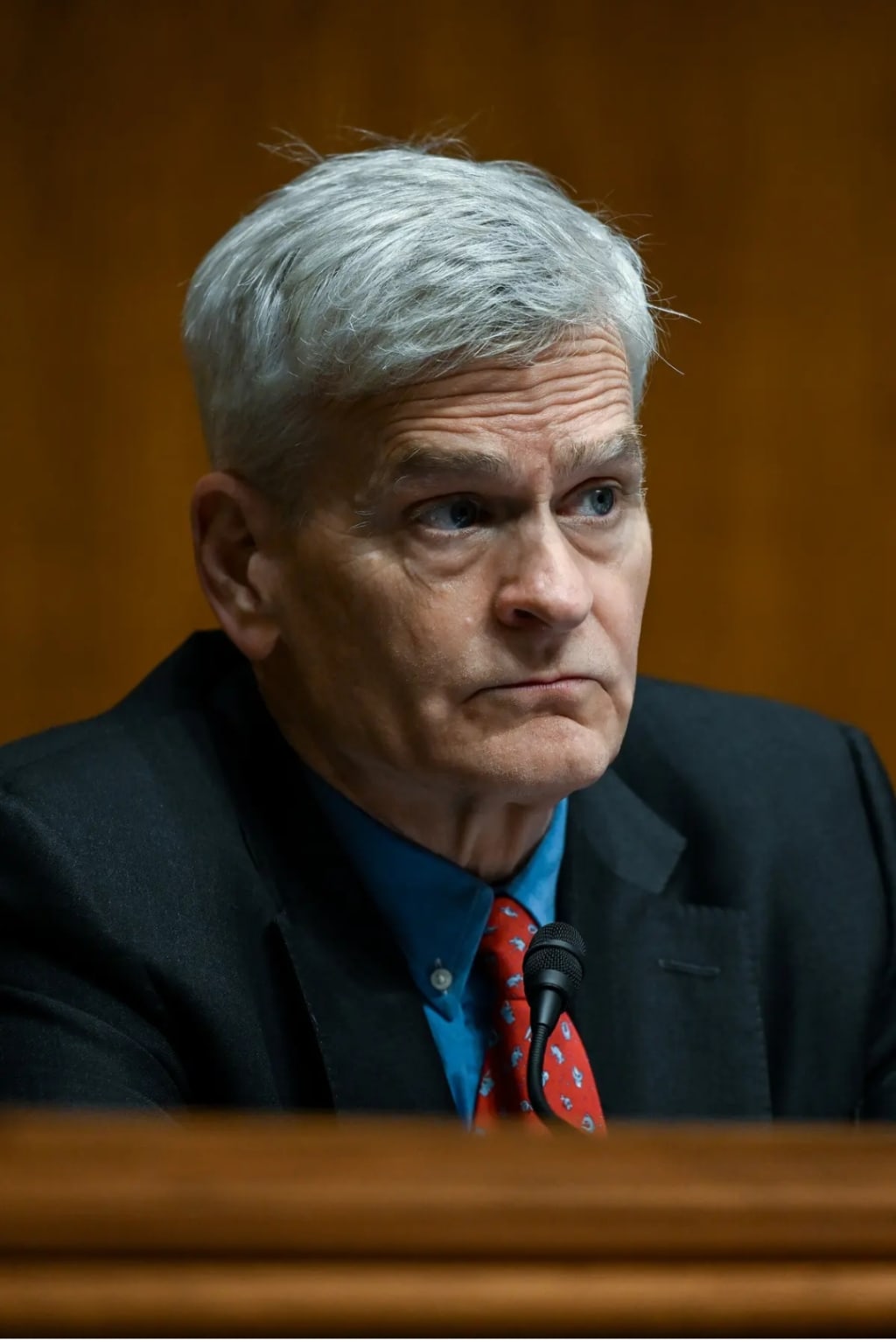
The recent fatal shooting of 37-year-old ICU nurse Alex Pretti by a federal immigration agent in Minneapolis has exposed deep fractures not just in national immigration policy but within the U.S. Republican Party itself. What might have been a unified party defense of law enforcement quickly transformed into a complex political quandary, highlighting internal disagreements, concerns about public perception, and the tension between supporting federal enforcement and protecting civil liberties.
---
A Sharp Incident With Broad Political Consequences
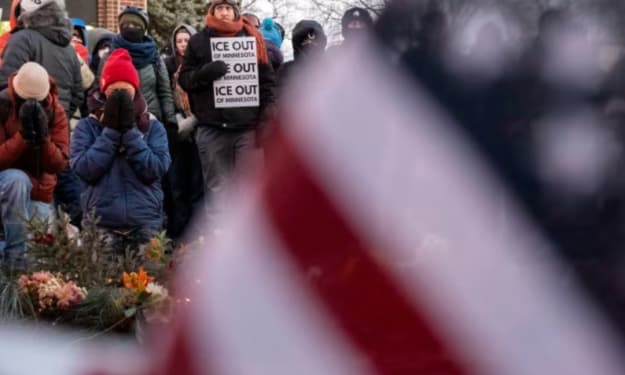
On January 24, 2026, federal immigration agents — part of a Trump administration interior enforcement surge — fatally shot Pretti during an operation in Minneapolis. This was the second such killing by federal officers in the city in recent weeks, following the earlier death of another U.S. citizen, Renee Good. The shootings have triggered not only protests and calls for investigation but a broader national reckoning over federal tactics and executive authority.
The fallout is now threatening to pull the Republican Party in multiple directions. Rather than rallying uniformly around the administration’s narrative — as might be expected on law and order issues — lawmakers have offered a range of conflicting or cautious responses, revealing ideological and strategic rifts.
---
Conflicted GOP Leaders: Calls for Investigation and Accountability
A growing number of Republican officials have openly expressed concern about the shooting and the administration’s handling of it. According to multiple reports, several Republican senators and representatives have urged for a deeper, impartial investigation into Pretti’s death, underscoring unease within the party about federal enforcement tactics and political optics.
For example:
Sen. Bill Cassidy (R-LA) described the incident as “incredibly disturbing,” arguing that the credibility of ICE and the Department of Homeland Security is at stake and advocating for a joint federal-state investigation.
Sens. Thom Tillis (R-NC) and Lisa Murkowski (R-AK) have pushed for a “thorough and impartial investigation,” emphasizing that law enforcement must be held to transparent standards.
Sen. Susan Collins (R-ME) similarly called for investigations and cautioned against dismissing legitimate public concerns.
These bipartisan-sounding calls reflect a party unwilling to uncritically defend the administration’s version of events, especially as video evidence and conflicting local accounts raise questions about the necessity and justification for the use of lethal force.
Even several Republican governors have weighed in. Oklahoma Gov. Kevin Stitt called the shooting a “real tragedy” and questioned the goals of federal operations, while Vermont Gov. Phil Scott labeled the incident “not acceptable,” framing it as potentially symptomatic of poor coordination and leadership.
---
Support for the Administration: Law and Order Messaging
Not all Republicans are critical. Many continue to support the Trump administration’s stance that federal agents acted within their legal authority, emphasizing law and order and national security priorities. Homeland Security officials have maintained that Pretti confronted officers with a firearm — a position backed by some GOP leaders in Washington.
This segment of the party has remained adamant about upholding federal immigration enforcement as essential to public safety, resisting narratives that frame the operations as excessive or unconstitutional. These voices argue that criticism of ICE and Border Patrol undercuts law enforcement and emboldens those who would challenge federal authority.
However, this alignment has at times exposed tension with traditional Republican values — notably Second Amendment support. Gun rights advocates close to GOP circles, such as the NRA, have called for a full investigation and warned against demonizing lawful gun owners, signaling discomfort with any narrative that appears to justify shooting an armed, licensed citizen.
---
Why the GOP’s Response Matters Politically
The struggle within the GOP over the Minneapolis shooting cuts to core themes in American conservative politics: federal vs. state power, civil liberties, law enforcement accountability, and the politics of immigration. How Republican leaders navigate this moment could define public perceptions of the party in upcoming elections, especially in swing districts or states where law enforcement support intersects with fears of federal overreach.
Several dynamics illustrate the political peril:
Electoral Calculus: Law and order has long been a Republican strength, but uncritical defense of lethal force against a U.S. citizen risks alienating suburban and moderate voters who value civil liberties and due process.
Ideological Contradictions: Supporting federal immigration enforcement while upholding gun rights and local autonomy creates a nuanced ideological landscape that challenges simple party messaging.
Internal Party Pressure: Trump loyalists demand robust defense of national security policies, while more traditional conservatives prioritize constitutional norms and oversight.
These tensions are compounded by broader national debates — including the Democratic push to restrict DHS and ICE funding, even threatening a government shutdown if reforms aren’t addressed — placing additional pressure on Republicans to articulate a coherent position in a polarized environment.
---
Public Perception and the GOP’s Future
Political analysts argue that the GOP’s division over the shooting may have lasting implications. A party that struggles to present a unified stance on a high-profile incident involving federal agents and the death of a citizen risks appearing disconnected from mainstream concerns about accountability and human rights.
Even within conservative ranks, activists and commentators on social media highlight dissatisfaction with the GOP’s handling of the situation, accusing party leaders of indecision or inconsistency.
The Minneapolis incident has clearly become more than a law enforcement matter — it is a litmus test for Republican leadership in a moment of intense scrutiny of federal power and civil liberties. Whether the party coalesces around a principled approach to accountability and transparency, or doubles down on partisan defense, remains uncertain.
---
Conclusion: A Party at a Crossroads
The Republican struggle to respond to this shooting reflects deeper uncertainties: balancing support for federal authority with constitutional protections; maintaining law and order messaging without alienating core supporters; and offering clear leadership amid national outrage. The outcome of this moment — strategically, politically, and emotionally — could shape the GOP’s trajectory in an era of heightened political polarization and public skepticism toward government institutions.
---
If you’d like, I can provide a timeline of key statements by Republican leaders on this issue.
About the Creator
Keep reading
More stories from Salaar Jamali and writers in The Swamp and other communities.
Another Minnesota Shooting Turns Immigration Crackdown into a National Reckoning
The latest fatal shooting of a U.S. citizen by federal immigration agents in Minneapolis has triggered a powerful national debate about the role of federal enforcement in local communities, civil liberties, and the limits of executive authority. What began as an immigration crackdown has rapidly evolved into a broader reckoning over policing, federal power, and democratic norms in the United States.
By Salaar Jamaliabout 10 hours ago in The Swamp



Comments
There are no comments for this story
Be the first to respond and start the conversation.