
The ‘Putinization’ of US Foreign Policy Has Arrived in Venezuela
Examining the parallels between Russian-style intervention and America’s actions in Caracas
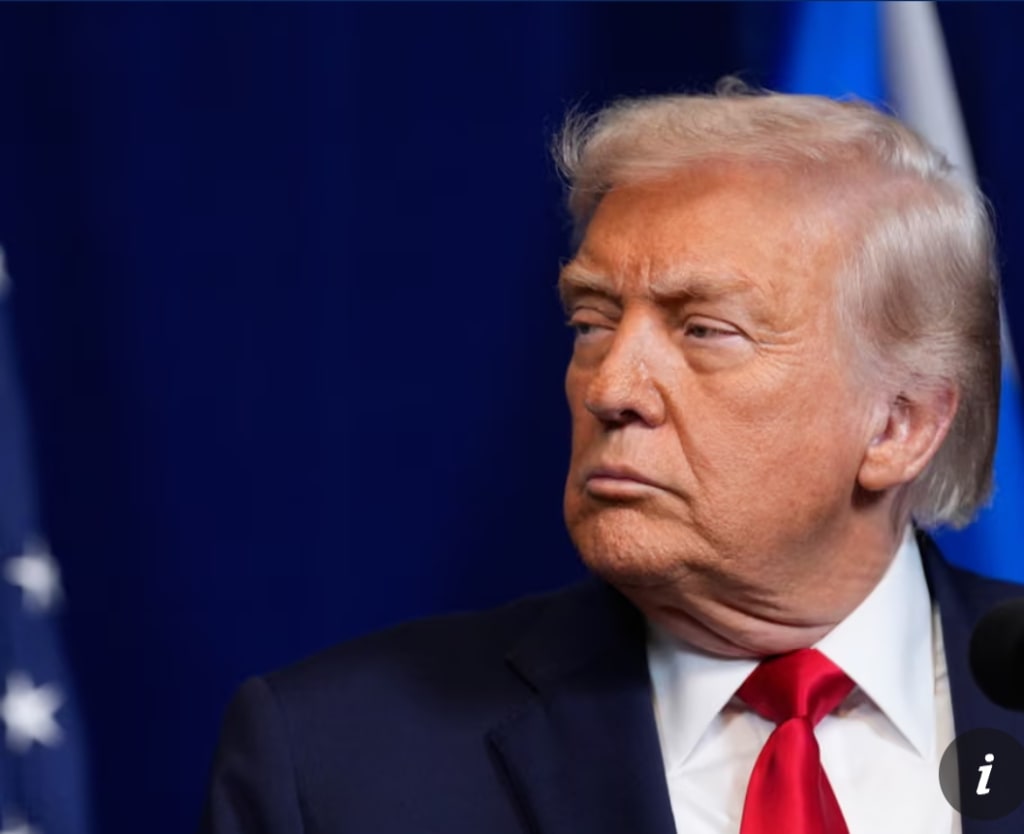
In recent months, the world has watched with growing unease as events in Venezuela have unfolded in ways that many analysts describe as the “Putinization” of US foreign policy. From military operations to direct involvement in regime change efforts, the US approach toward Caracas increasingly mirrors tactics associated with Russia under Vladimir Putin: swift, decisive, and often unilateral action aimed at reshaping political landscapes.
Understanding this shift is essential not only for Venezuelans but also for the global community, as it signals a new era in American foreign policy—one marked by bold interventions and a willingness to act outside traditional multilateral frameworks.
What ‘Putinization’ Means in Context
The term “Putinization” refers to the foreign policy style associated with Vladimir Putin’s Russia, which often emphasizes:
Rapid, strategic interventions in neighboring countries
Support for political factions aligned with national interests
Military, economic, and covert measures used to achieve strategic goals
Minimal reliance on international consensus or multilateral approval
Applying this concept to US actions in Venezuela highlights similar traits in American strategy, particularly its readiness to engage in decisive operations, assert influence over domestic political processes, and sidestep traditional international institutions when pursuing strategic goals.
The Venezuelan Situation
Venezuela, long mired in political and economic turmoil, has been a focal point for foreign influence. The US, citing humanitarian crises, democratic backsliding, and regional instability, has taken increasingly assertive measures:
Military Strikes and Capture Operations: Recent reports suggest that the US has launched targeted operations, including a large-scale strike intended to detain President Nicolás Maduro.
Support for Opposition Figures: The US continues to recognize alternative leadership and has provided support to opposition groups seeking political transition.
Sanctions and Economic Pressure: Over the years, Washington has leveraged sanctions and trade restrictions to influence Venezuelan policy, a tactic reminiscent of Russia’s economic coercion in Ukraine and neighboring states.
These measures reflect a pragmatic, high-stakes approach that prioritizes results over diplomatic consensus, a hallmark of what many analysts describe as “Putinized” foreign policy.
Parallels with Russian Strategy
Several aspects of the US approach in Venezuela echo Russian tactics observed in other geopolitical contexts:
Speed and Decisiveness: Like Russia’s rapid annexation of Crimea, US operations in Venezuela have been executed with urgency and surprise, signaling determination and capability.
Political Manipulation: Efforts to recognize and support certain factions mirror Moscow’s strategy of propping up aligned groups to gain influence without prolonged occupation.
Selective International Engagement: While international institutions like the UN have expressed concern, the US has acted primarily through unilateral measures, prioritizing its strategic objectives over multilateral approval.
Covert and Coercive Measures: The use of intelligence, targeted operations, and sanctions underscores a preference for direct, results-oriented action over drawn-out negotiations.
These parallels suggest that US foreign policy is evolving in ways that borrow from the Russian playbook, adapting tactics previously associated with authoritarian assertiveness to a democratic framework.
Motivations Behind the Strategy
Several factors drive this shift in American foreign policy toward Venezuela:
Strategic Interests: Venezuela’s oil reserves and geopolitical position in Latin America make it a critical arena for US influence.
Domestic Pressure: Political leadership in Washington faces pressure to demonstrate toughness abroad and project strength in the hemisphere.
Regional Stability: The US argues that decisive intervention is necessary to prevent humanitarian collapse, mass migration, and criminal networks from destabilizing neighboring countries.
Deterrence Messaging: Bold action serves as a warning to other governments, signaling that Washington can act unilaterally to protect perceived interests.
While controversial, these motivations reflect a calculative, power-oriented approach that prioritizes outcomes over traditional diplomacy.
Risks and Criticisms
The US’s “Putinized” strategy carries significant risks:
Escalation of Conflict: Military operations risk provoking violent retaliation or a broader regional crisis.
Diplomatic Backlash: Acting unilaterally can strain relations with Latin American partners and undermine multilateral institutions.
Humanitarian Concerns: Aggressive interventions may exacerbate existing crises, putting civilians at risk.
Precedent Setting: Normalizing unilateral, forceful foreign policy could influence future US actions worldwide, potentially eroding international norms.
Critics argue that while the approach may yield short-term tactical gains, it could damage America’s long-term credibility as a promoter of democracy and human rights.
What This Means for the Future
The US approach to Venezuela may signal a new phase in global geopolitics, where major powers increasingly act assertively and unilaterally, prioritizing strategic outcomes over consensus-building. Observers suggest that:
Other countries may adapt similar tactics, emulating results-oriented interventions.
Multilateral institutions could face challenges in enforcing international norms as unilateral actions become more common.
Citizens and policymakers in affected regions must navigate a complex environment where foreign influence is decisive and immediate.
The Venezuelan case thus serves as both a warning and a case study in how superpowers pursue influence in a fast-changing world.
Conclusion
The situation in Venezuela highlights a striking evolution in American foreign policy, one that some analysts describe as the “Putinization” of the US approach. From decisive military actions to unilateral support for opposition figures, Washington’s strategy mirrors key elements of Russian assertiveness while operating within a democratic framework.
While the results of this approach remain uncertain, it underscores a broader trend in global power politics: strategic decisiveness, willingness to act unilaterally, and a focus on outcome-driven foreign policy. For Venezuela, the stakes are high, and for the world, this development may signal a shift in how democracies project power abroad in the 21st century.
About the Creator
Keep reading
More stories from Aarif Lashari and writers in The Swamp and other communities.
Police Identify First Four Victims of Swiss Ski Resort Fire
A devastating fire at a Swiss ski resort has claimed multiple lives, and authorities have now confirmed the identities of the first four victims. The incident, which occurred at a popular winter destination, has shocked both local communities and international visitors, leaving families in anguish and prompting a widespread response from emergency services.
By Aarif Lashari2 months ago in The Swamp
A Gathering of Evil Bosses
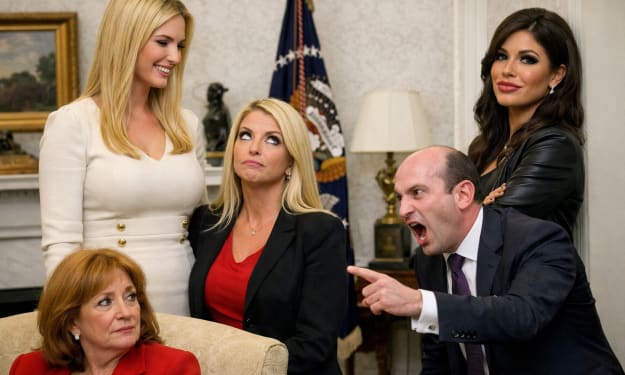
“I’m the queen of chin jutting while I smooth my hair, attacking, insulting, and deflecting to protect my appointer.” “Oh, please, Blondi, my hair is curled, highlighted, and longer than yours. I feature television commercials telling immigrants that we will give them a free plane ride home, and if they voluntarily turn themselves in, they will be allowed to legally apply for re-entry. It runs everywhere, and I look good in it! You can’t compete because of your blond hair. Mine is nicer, and my lips are prettier than yours.”
By Andrea Corwin 10 days ago in The Swamp



Comments
There are no comments for this story
Be the first to respond and start the conversation.