
Ranked Choice Voting: A Solution for Political Polarization?
I asked myself, “Don’t people raised in the same family share the same values? Or are we doomed to keep destroying families, businesses, friends, and our culture over bipartisan polarization? Is there another way?”
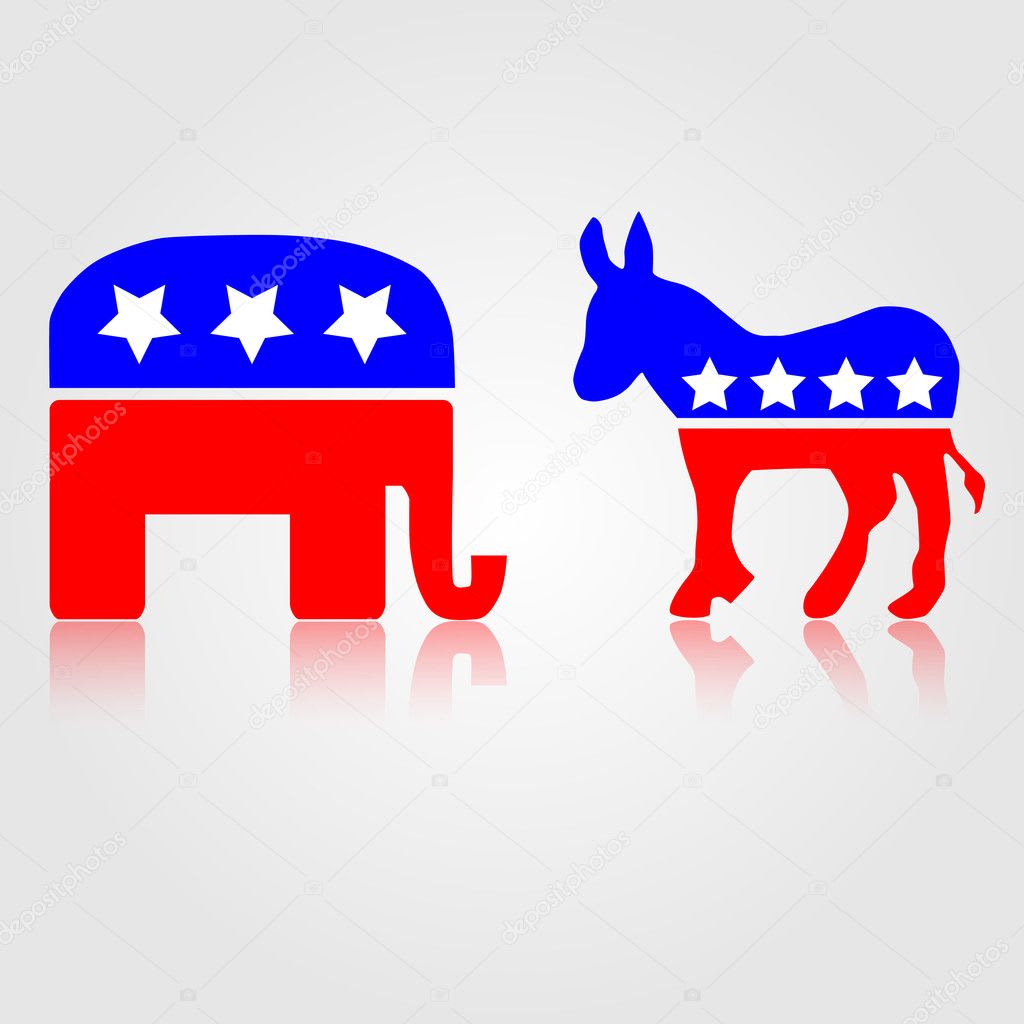
Thanks to this recent presidential election, I understand the Civil War a bit better—not the politics, but the family divisiveness. Growing up, I once marveled at how once loving families were torn apart by the conflict of the war. But now, I see how families could have brothers, where one fought for the Union Army, one fought for the Confederate Army and both could be willing to kill each other over politics. I asked myself, “Don’t people raised in the same family share the same values? Or are we doomed to keep destroying families, businesses, friends, and our culture over bipartisan polarization? Is there another way?”
I ask myself these things because I’m not sure my family will survive this election or the tensions it is creating. My parents are Republican and my brothers and I are Democrats. Dinner used to be a great time to talk and share news about our days together. Now political debates at the dinner table have turned into tense exchanges about politics, and who won the election. The debates discredit each other’s beliefs when we disagree. They leave us feeling disconnected and angry at each other. Where there was once laughing and joking around our table, there are now only tense words and harsh looks. It deeply saddens me to see this kind of divisiveness around people that I love.
I believe the solution to this polarization in my family, and the country, is to encourage the inclusion of other political parties. Having a diverse body of political opinions may help Americans become more modest about their beliefs, which subsequently will alleviate tensions, especially in families.
America’s polarizing political climate has affected all Americans. We’ve turned into caricatures of the Democrat or Republican stereotype. People don’t see us for what we love, our values, who we are, or our sense of humor. They see only which political party we support. They presume if we don’t agree with their political affiliation that we’re evil, ignorant, or uninformed and not worth associating with. And people wonder why teen and adult suicides are climbing. Polarization pits people at each other. Your political affiliation, Democrat or Republican, not your character is what defines how others see you.
Some of my liberal friends distance themselves from people who hold conservative beliefs, even if they would be friends based on everything else in their lives. One of my friends said that Republicans were “disgusting.” My conservative friends also react negatively when liberals voice their opinions on issues.
Political polarization is on the increase in our country, having far reaching consequences for work, emotional support, and a civil society. I worry about our country, but I worry more about my family. How far will our disagreements separate us as family?
I believe the answer to why we have a polarization crisis is America’s bipartisan system. I think the solution is ranked-choice voting. Ranked choice allows voters to rank candidates by preference, meaning they can submit ballots that list not only their first-choice candidate for a position, but also their second, third and so on. The main reason as to why third parties are undermined in election results is that each voter has only one vote. With ranked-choice voting, a voter ranks candidates on a ballot from most favorite to least favorite. After all of the ballots are accumulated, the candidate that gains the most overall support wins the election. Through this system, a voter can freely express their political support in the election without the worry that their vote is an outlier. No longer does the voter have to “Settle for Biden.” By facilitating diverse political input during the election, perhaps America will no longer just be red or blue.
About the Creator
Keep reading
More stories from writers in The Swamp and other communities.
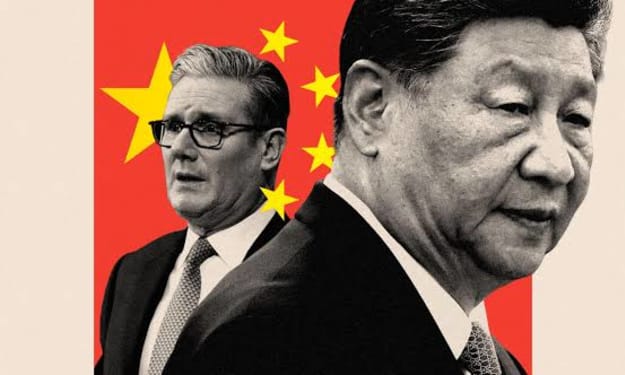
Why China Views the UK Visit as Part of Something Bigger
Diplomatic visit signals broader strategic ambitions and global positioning China’s recent high-level visit to the United Kingdom has attracted attention from governments, analysts, and media worldwide. While the trip included trade discussions, cultural exchanges, and formal meetings, Chinese observers view it as part of a larger strategy to strengthen global influence and secure strategic partnerships. This perspective is rooted in China’s broader foreign policy objectives, which combine economic expansion, diplomatic engagement, and long-term geopolitical planning. Understanding why Beijing sees the UK visit as more than a routine diplomatic engagement requires examining the context of bilateral relations, regional dynamics, and global trends. Trade and Economic Cooperation Economic ties between China and the United Kingdom have grown steadily over the past decade. During the visit, discussions centered on: Increasing bilateral trade Investment in technology and infrastructure Collaboration on green energy and climate initiatives For China, the visit represents an opportunity to expand its economic footprint in Europe and demonstrate that it is a reliable partner for high-value trade and investment. Officials view this as part of a broader strategy to integrate into multiple global markets, securing long-term influence while counterbalancing other major powers. Strategic Signaling to Global Partners China’s engagement with the UK also serves as a signal to other global players. By emphasizing strong diplomatic ties with London, Beijing demonstrates: Its ability to maintain high-level relations with major Western powers Flexibility in navigating complex geopolitical landscapes Commitment to global cooperation under Chinese terms Analysts suggest that China sees such visits as a way to shape international perception, showing that it can engage constructively with influential nations without yielding its core strategic interests. Technology and Innovation Collaboration The visit included discussions on technology partnerships, particularly in areas like: Artificial intelligence 5G networks Sustainable energy solutions China views cooperation in high-tech sectors as crucial for its long-term competitiveness. Collaboration with the UK provides both practical benefits and a symbolic demonstration of China’s technological ambitions, signaling to other nations that it is a global innovator, not just a manufacturing powerhouse. Soft Power and Cultural Diplomacy In addition to trade and technology, the visit included cultural diplomacy initiatives: Academic exchanges Arts and cultural showcases Tourism promotion For China, soft power is a key element of broader strategy. These efforts aim to enhance China’s image abroad, foster mutual understanding, and create a favorable environment for long-term economic and political cooperation. By combining soft power with formal diplomacy, Beijing demonstrates that its strategy is multi-layered and long-term. Balancing Relations With Europe and the U.S. China also sees the UK visit in the context of its broader relations with Europe and the United States. With tensions in U.S.–China relations over trade, technology, and security, engagement with the UK offers: A European counterbalance to U.S. influence A platform for negotiating strategic partnerships independently of Washington Opportunities to expand diplomatic and trade influence in Western markets This approach reflects China’s aim to diversify its international partnerships, reducing dependence on any single global bloc and strengthening its negotiating position. Political Messaging and Domestic Perception High-profile diplomatic visits are not only about external relations—they also serve domestic purposes. For Chinese leadership, showcasing successful engagement with major powers like the UK: Reinforces the government’s image as capable and globally respected Demonstrates that China can navigate complex international challenges Bolsters national confidence in the country’s strategic direction In this sense, the UK visit is seen as part of a broader narrative of China’s rise and diplomatic maturity. Challenges and Criticism Despite the positive framing, analysts caution that China’s ambitions face challenges: Skepticism from Western governments about Chinese strategic intentions Trade disputes or regulatory concerns that could hinder cooperation Public opinion and media scrutiny in host countries Managing these challenges requires careful diplomacy, messaging, and incremental progress, all of which appear to have been factored into the visit’s planning. Implications for Global Diplomacy China’s framing of the UK visit as part of a larger strategy underscores the interconnected nature of modern diplomacy. Each high-level visit carries multiple layers of significance: Economic and trade outcomes Strategic signaling to allies and competitors Domestic political reinforcement Soft power influence Observers suggest that future engagements with other major powers will likely follow similar patterns, reflecting a cohesive, multi-dimensional foreign policy. Conclusion China views the UK visit as more than a routine diplomatic engagement; it is a strategic step in a larger plan to strengthen global influence, secure economic partnerships, and enhance soft power. By combining trade, technology collaboration, cultural diplomacy, and political signaling, Beijing demonstrates a long-term vision that extends beyond immediate bilateral gains. For the UK and global observers, understanding China’s broader intentions is essential to navigating future interactions and maintaining balanced, informed relations. The visit highlights that in international diplomacy, even seemingly straightforward trips can have far-reaching implications for global strategy.
By Fiaz Ahmed 5 days ago in The Swamp
CNBC's Inside India newsletter: EU edges out U.S. in getting India to slash auto tariffs, but can European carmakers win big?
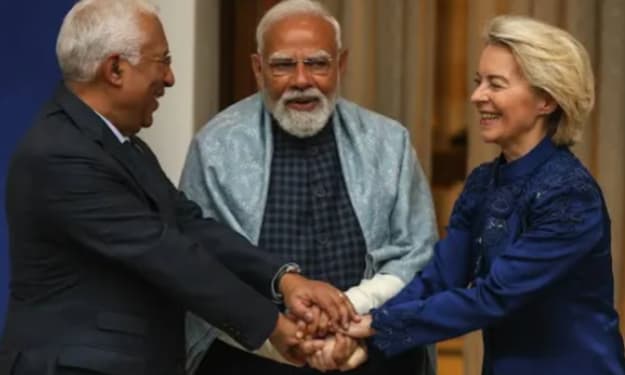
India’s automobile sector, long shielded by some of the world’s highest import tariffs, is showing signs of opening up—and Europe appears to have taken the lead. In a notable shift in trade diplomacy, the European Union has edged ahead of the United States in persuading India to consider reducing its steep duties on imported vehicles. This development, highlighted in CNBC’s Inside India newsletter, marks a potential turning point for global carmakers seeking access to one of the fastest-growing auto markets in the world. Yet even as trade doors begin to open, the central question remains: can European car manufacturers truly win big in India?
By Sajida Sikandar4 days ago in The Swamp
Dead and Wearing Green
She was wearing that green dress when I first saw her, five years ago to the day. Flowing meadow fabric draped over long legs, thick auburn hair flowing down her back. That smile. Of course, she is still beautiful now. But now she is no longer alive.
By Karen Cave6 days ago in Fiction


Comments
There are no comments for this story
Be the first to respond and start the conversation.