
Rains Inundate Hawaii, Closing Schools and Causing Landslides
Torrential downpours across the islands trigger flooding, disrupt daily life, and raise concerns about climate-driven extreme weather.
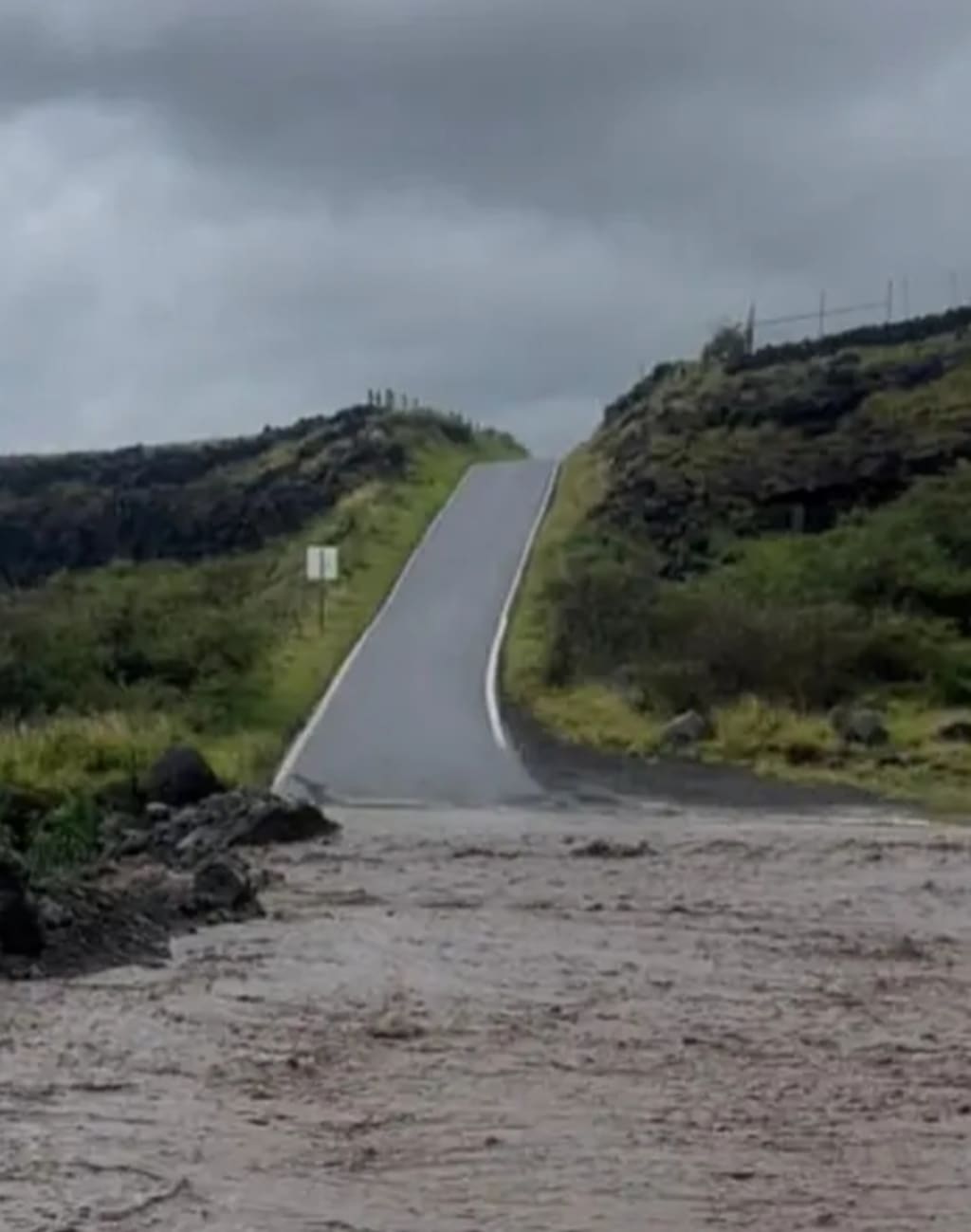
Heavy rains have swept across parts of Hawaii, triggering widespread flooding, forcing schools to close, and causing dangerous landslides that have disrupted transportation and daily life. Local authorities have issued multiple warnings as saturated ground, overflowing streams, and blocked roads create hazardous conditions for residents and visitors across several islands.
The intense rainfall has turned normally calm streets into rivers, while emergency crews continue working to clear debris and ensure public safety. For many communities, the sudden weather event has brought both immediate challenges and renewed concern about how increasingly extreme weather patterns are affecting the islands.
Sudden Storms Over the Islands
The storm system developed rapidly, bringing hours of relentless rainfall that overwhelmed drainage systems in several communities. Meteorologists reported that some areas received several inches of rain within a short period of time, causing flash flooding in low-lying neighborhoods.
Residents described waking up to heavy downpours that quickly intensified throughout the morning. In some towns, water pooled on roads and sidewalks, making it difficult for vehicles and pedestrians to move safely.
The severe weather prompted officials to monitor rivers and streams closely, as rapidly rising water levels threatened nearby homes and infrastructure. Emergency alerts were issued to warn residents to avoid flood-prone areas and stay indoors whenever possible.
For an island state where mountainous terrain and coastal geography often amplify weather events, heavy rainfall can quickly turn into a serious emergency.
Schools Forced to Close
As conditions worsened, several school districts across Hawaii decided to suspend classes to protect students and staff. Flooded roads, landslide risks, and limited visibility made transportation unsafe in many areas.
Administrators emphasized that the closures were a precautionary measure, particularly because some school bus routes pass through valleys or mountainous areas where landslides are more likely during heavy rains.
Parents were advised to keep children at home while officials assessed road conditions and monitored the ongoing storm. Many families found themselves adjusting to sudden changes in routine, with children staying indoors while the weather continued to deteriorate.
School closures are not uncommon during severe weather in Hawaii, but the widespread nature of the flooding made this event particularly disruptive.
Landslides Block Roads and Highways
One of the most dangerous consequences of the storm has been the occurrence of landslides in several areas with steep slopes and saturated soil.
Heavy rainfall can weaken hillsides, causing large sections of earth, rocks, and vegetation to slide onto roads below. In some cases, these landslides completely blocked highways, leaving drivers stranded and forcing authorities to shut down certain routes.
Emergency crews have been working around the clock to clear debris and stabilize affected areas. However, officials warn that additional landslides remain possible as the ground continues to absorb water.
For residents living near mountainous terrain, the risk of landslides is a constant concern during intense storms. Even after the rain stops, unstable slopes can remain dangerous for days.
Emergency Services on High Alert
Local emergency services have been placed on high alert as authorities respond to flooded homes, stranded vehicles, and damaged infrastructure.
Rescue teams have assisted residents who became trapped in flooded areas, while public works crews have focused on clearing drainage systems and restoring access to blocked roads.
Officials have also urged residents to avoid driving through standing water. Even shallow flooding can conceal hazards such as debris, damaged pavement, or rapidly moving currents.
Community shelters have been prepared in case evacuations become necessary, though authorities hope that such measures will not be required if weather conditions begin to improve.
Impact on Tourism and Local Businesses
Hawaii’s economy relies heavily on tourism, and severe weather can quickly affect both visitors and local businesses. Popular attractions, hiking trails, and coastal areas have been temporarily closed as officials assess safety risks.
Tourists staying at hotels across the islands have been advised to follow local weather updates and avoid traveling to flood-prone areas.
Restaurants, shops, and small businesses in flooded districts have experienced disruptions as customers stay home and employees struggle to commute safely.
Although most storms pass relatively quickly, the economic impact of even short-term disruptions can be significant for small businesses that depend on daily visitor traffic.
The Role of Hawaii’s Unique Geography
Hawaii’s landscape plays a major role in how storms affect the islands. The combination of steep mountains, narrow valleys, and coastal plains means that rainfall can accumulate rapidly and flow downhill toward populated areas.
When heavy rain falls on mountainous terrain, water funnels into streams and rivers that can overflow quickly. In some areas, flash floods can develop within minutes.
Urban development has also increased the amount of paved surfaces that prevent rainwater from soaking into the ground, further contributing to flooding.
Because of these factors, even moderate storms can cause significant disruptions when rainfall occurs faster than drainage systems can handle.
Climate Change and Extreme Weather
Events like this have renewed conversations about how climate change may be influencing weather patterns in the Pacific.
Scientists studying climate trends have found that warmer air can hold more moisture, which may lead to more intense rainfall during storms. While individual weather events cannot always be directly attributed to climate change, many researchers believe that extreme precipitation events are becoming more frequent in certain regions.
For island communities such as Hawaii, these changes could present long-term challenges for infrastructure, disaster preparedness, and environmental management.
Local governments have already begun exploring ways to improve drainage systems, strengthen flood defenses, and update emergency response plans to handle more intense storms.
Community Resilience
Despite the challenges brought by the storm, local communities across Hawaii have demonstrated resilience. Neighbors have helped each other clear debris, shared resources, and checked on vulnerable residents.
Volunteers have assisted emergency workers in distributing supplies and supporting cleanup efforts once floodwaters begin to recede.
Community cooperation is often one of the most important factors in recovering from natural disasters. In island communities where resources can be limited, strong social networks help ensure that residents are not facing emergencies alone.
Looking Ahead
As meteorologists continue to track the storm system, officials remain cautious about declaring the danger over. Additional rainfall could worsen flooding or trigger further landslides in areas where the ground is already saturated.
Authorities have urged residents to stay informed through weather alerts and to follow safety instructions from local emergency management agencies.
The recent flooding serves as a reminder of the power of nature and the importance of preparedness in regions vulnerable to extreme weather.
For Hawaii, the focus now turns to recovery—clearing roads, reopening schools, and helping communities return to normal life after the storm. Yet the event also highlights a broader reality: in a changing climate, storms that once seemed unusual may become part of a new and challenging pattern for the islands.
About the Creator
The Forsyth House Fire
Since 1851, Forsyth House has stood on the corner of Union Street and Gordon Street in the heart of Glasgow. Its iconic, or was... because on Sunday 8th of March, 2026, a fire broke out in a small, seemingly un-named shop in the building and tore all that history down. As I write, the rubble is still unsettled and the street is still blocked off. Central Station is quiet on the upper level, and around 30 small businesses have quite literally gone up in smoke.
By S. A. Crawford2 days ago in The Swamp
EPA and Trump Administration move to weaken air pollution limits on cancer causing chemical many Black and Brown people have been exposed to
First of all, there should be no EPA. It is a cancer that plagues the governmental system. It feeds on the citizens and ironically makes people less safe. For the Trump administration to lessen m ethylene oxide limits is a step in the right direction.
By Skyler Saundersabout 23 hours ago in The Swamp



Comments
There are no comments for this story
Be the first to respond and start the conversation.