
Russia Struggles to Shake Reliance on Foreign Technology Imports
Efforts to build domestic tech industry face shortages of chips and skilled labor

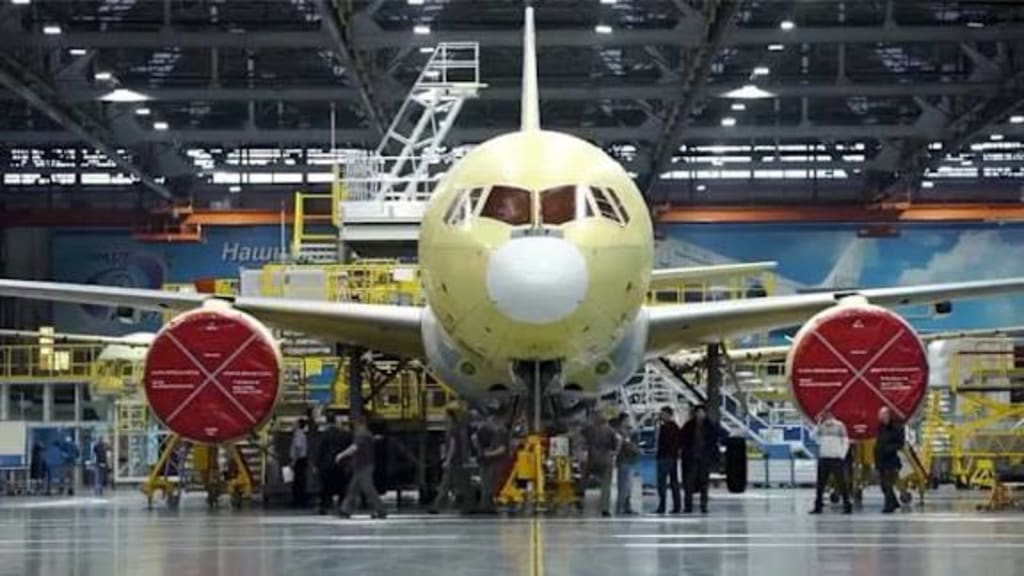
Russia continues to face significant challenges in reducing its dependence on foreign technology imports despite years of government efforts to promote domestic production and technological self-sufficiency. Western sanctions, supply chain disruptions, and limited access to advanced components have exposed structural weaknesses in Russia’s tech sector, highlighting the difficulty of replacing imported systems with locally produced alternatives.
Since the introduction of broad international sanctions following the conflict in Ukraine, Russia has accelerated its push for “technological sovereignty.” Officials have repeatedly stated that the country must rely on homegrown solutions in areas such as semiconductors, telecommunications, industrial software, and electronics manufacturing. However, experts say progress has been uneven and costly.
A Legacy of Dependence
For decades, Russia’s technology industry has relied heavily on imported hardware and software, particularly from the United States, Europe, and East Asia. Key industries—including aviation, energy, telecommunications, and defense manufacturing—were built using foreign microchips, machinery, and operating systems.
When sanctions restricted access to these technologies, companies were forced to search for alternatives almost overnight. Many turned to suppliers in China and other non-Western markets, but these substitutes often lacked the same performance or compatibility with existing systems.
“Russia’s problem is not only sanctions,” said one Moscow-based technology analyst. “It is that its high-tech manufacturing base was never designed to be fully independent.”
Semiconductor Shortages
One of the most serious challenges has been access to advanced semiconductors. Modern chips are essential for everything from smartphones and medical equipment to military systems and artificial intelligence. Russia’s domestic chip industry remains years behind global leaders in Taiwan, South Korea, and the United States.
While Russia can produce older-generation chips for basic uses, it struggles to manufacture high-performance processors at scale. As a result, industries dependent on cutting-edge computing power face delays and rising costs.
Government programs have invested billions of rubles into chip development projects, but experts warn that building a competitive semiconductor ecosystem requires decades of infrastructure, skilled labor, and international cooperation.
Software and Digital Services
Software has been another major area of concern. Following the departure of major Western companies, Russian businesses lost access to widely used operating systems, cybersecurity tools, and enterprise software platforms.
In response, authorities encouraged the adoption of Russian-made software solutions. While some local companies have developed alternatives, businesses report technical limitations and compatibility issues. Migrating large systems from foreign to domestic software has proven complex and expensive.
Banks, hospitals, and transport networks have been particularly affected, as their operations depend on reliable and secure digital infrastructure.
“Replacing software is not like replacing a light bulb,” said an IT consultant working with Russian firms. “It requires retraining staff, redesigning systems, and accepting lower performance in some cases.”
Economic Impact
Russia’s dependence on imported technology has had a visible economic cost. Manufacturing delays, rising production expenses, and reduced innovation have slowed growth in several sectors.
Industries such as aviation and automotive manufacturing have struggled to maintain production levels due to shortages of electronic components. Some factories have been forced to suspend operations or redesign products using simpler technology.
Small and medium-sized enterprises face the greatest pressure, as they lack the financial resources to invest in alternative suppliers or custom-built systems.
Government Strategy and Limits
The Russian government has launched multiple initiatives to boost domestic innovation, including tax incentives, subsidies for tech startups, and national development programs focused on microelectronics and artificial intelligence.
Officials argue that long-term independence is achievable and that current difficulties are temporary. They point to growing partnerships with Asian suppliers and increased funding for local research institutions.
However, critics say that true technological independence is unrealistic in a globalized economy. Modern technology depends on international supply chains that no single country can fully replace.
“Even the most advanced nations rely on imported components,” said a European technology researcher. “Russia’s attempt to isolate itself technologically will likely result in slower development and reduced competitiveness.”
Talent and Brain Drain
Another challenge has been the loss of skilled professionals. Thousands of engineers and IT specialists left Russia following political and economic uncertainty, weakening the country’s innovation capacity.
Although universities continue to train new graduates, rebuilding a skilled workforce takes time. Industry leaders warn that without attracting global talent and cooperation, domestic technology programs may struggle to reach international standards.
A Long Road Ahead
Despite the obstacles, Russia continues to pursue its goal of reducing reliance on foreign technology. New production facilities are under construction, and state contracts increasingly favor domestic suppliers.
Yet analysts agree that the transition will be slow and difficult. Access to advanced tools, global research networks, and foreign investment remains limited.
For now, Russia remains heavily dependent on imported technology—either directly or through alternative trade routes. The effort to replace foreign systems has exposed the complexity of modern technological ecosystems and the risks of isolation in a highly interconnected world.
Whether Russia can achieve meaningful technological independence will depend not only on funding and policy, but on its ability to rebuild trust, innovation, and international cooperation in the years ahead.
About the Creator
Fiaz Ahmed
I am Fiaz Ahmed. I am a passionate writer. I love covering trending topics and breaking news. With a sharp eye for what’s happening around the world, and crafts timely and engaging stories that keep readers informed and updated.
Keep reading
More stories from Fiaz Ahmed and writers in The Swamp and other communities.
Politicians Agree to Stop Using Social Media Site
In a rare show of unity, a group of senior politicians from multiple parties have agreed to stop using a popular social media platform following growing concerns over misinformation, data security, and foreign influence. The decision marks a significant shift in how political leaders communicate with the public in the digital age and reflects rising global anxiety about the power and impact of social media on democratic institutions. The agreement was announced after weeks of internal discussions and security briefings. Lawmakers said the move was not intended to restrict free speech but to protect national interests and promote responsible communication. Several officials confirmed that government departments and party offices would also reduce their presence on the platform in the coming weeks. Security and Misinformation Concerns Officials cited national security risks as one of the main reasons for their decision. Intelligence agencies reportedly warned that the platform could be vulnerable to data breaches and manipulation by foreign actors. According to government sources, there were fears that private communications, location data, and user behavior could be accessed or exploited in ways that threaten public safety. Misinformation was another key concern. Politicians argued that false or misleading content spreads rapidly on social media and often reaches millions before it can be corrected. This, they said, has damaged public trust and fueled political polarization. “We cannot continue to rely on platforms that reward outrage and disinformation,” one senior lawmaker said. “Political communication must be transparent, factual, and secure.” The decision follows several high-profile incidents in which fake news stories and manipulated videos circulated widely online during election campaigns and international crises. A Coordinated Political Move Unlike previous individual boycotts, this decision is notable because it involves members from both government and opposition parties. Analysts describe it as a coordinated effort to set an example for responsible digital behavior. Political leaders will now rely more heavily on official government websites, press briefings, and traditional media channels such as television and newspapers to communicate policies and announcements. Some have also said they will use encrypted and verified platforms designed specifically for official communication. A joint statement released by participating politicians emphasized that the move is temporary and will be reviewed regularly. It also called on social media companies to improve their transparency, moderation policies, and data protection standards. “We believe technology should serve democracy, not weaken it,” the statement said. Reaction from the Public and Media Public reaction has been mixed. Some citizens welcomed the decision, saying social media has become toxic and harmful to political discourse. Others criticized the move as outdated and disconnected from modern communication habits. “Young people get their news from social media,” said a university student in the capital. “If politicians leave these platforms, they risk losing touch with a whole generation.” Media organizations largely supported the decision, arguing that it could encourage more thoughtful and in-depth political discussion. Journalists noted that social media often reduces complex issues to short, emotional messages that lack context. Press freedom groups, however, warned that politicians must still remain accessible and accountable to the public. They stressed that abandoning one platform should not mean limiting public engagement. Impact on Elections and Campaigning The decision could significantly change how future election campaigns are run. Social media has become a central tool for fundraising, advertising, and voter outreach. Without it, political parties may return to more traditional methods such as rallies, door-to-door canvassing, and televised debates. Campaign strategists say this shift could reduce the influence of viral content and online manipulation but may also increase campaign costs. “Social media was cheap and fast,” said one political consultant. “Without it, campaigns will need to invest more in grassroots organization and mainstream media.” Some experts believe this change could benefit democracy by slowing down the news cycle and encouraging voters to focus on verified information rather than emotional reactions. Pressure on Technology Companies The politicians’ decision has placed new pressure on social media companies to reform their practices. Several firms issued statements defending their platforms and promising to improve security and content moderation. One company spokesperson said, “We are committed to working with governments to address concerns while protecting freedom of expression.” Technology analysts predict that if more governments adopt similar policies, social media companies may be forced to redesign how political content is handled. A Broader Global Trend This development is part of a wider international trend. Several countries have already restricted the use of certain platforms on government devices due to cybersecurity risks. Others are considering stricter regulations on political advertising and data collection. Experts say the move reflects growing awareness that digital platforms can shape political behavior and public opinion in powerful ways. “The digital world is no longer neutral,” said a political science professor. “Governments are beginning to realize they must set boundaries.” Looking Ahead While the agreement does not ban social media outright, it sends a strong message about the responsibilities of political leaders in the information age. Whether the decision will last depends on public reaction and on how social media companies respond to the concerns raised. For now, the move represents a turning point in political communication—one that highlights the tension between technological innovation and democratic accountability. As societies continue to grapple with misinformation and digital security, the question remains: can politics exist without social media, or will new platforms emerge to fill the gap? Only time will tell.
By Fiaz Ahmed about 5 hours ago in The Swamp
The Traitors Delivers Shock for BBC as Finale Viewing Figures Revealed
A Finale Full of Surprises BBC’s reality hit, The Traitors, has captivated viewers with its blend of psychological strategy, suspense, and high-stakes gameplay. However, the finale of the latest season has sent shockwaves through the network. As the viewing figures were revealed, both fans and industry insiders were surprised by how the numbers compared to expectations. The series had consistently maintained a strong following throughout the season, with audiences eagerly tuning in to see contestants uncover betrayals, form alliances, and compete for the grand prize. The finale, with its tense eliminations and dramatic reveals, promised a climax worthy of the hype—but the ratings tell an intriguing story. The Numbers That Shocked the BBC According to reports, the finale’s live viewing figures were lower than anticipated, despite the show’s popularity. Industry analysts suggest that while the program has a dedicated fanbase, many viewers opted to watch on-demand or via streaming platforms, reflecting a wider shift in how audiences consume television today. Traditional metrics may have contributed to the perceived shock, but when considering total engagement—including streaming figures, social media buzz, and online discussions—the show’s reach was still significant. The finale may have underperformed in classic live viewership but overperformed in audience engagement, a metric increasingly important for networks like the BBC. What Makes The Traitors So Compelling? The Traitors isn’t just another reality show. Its format combines strategy, psychological manipulation, and teamwork, keeping contestants and viewers alike on edge. Players must identify traitors, form alliances, and navigate deception to survive eliminations and secure the prize. Fans have praised the show for its intense suspense and unpredictable outcomes. Each episode keeps viewers guessing, and the finale delivered some of the most shocking betrayals of the season. This combination of strategy and drama has made The Traitors a standout in the crowded reality TV landscape. Fan Reactions: Shock, Debate, and Engagement Social media erupted following the finale. Fans expressed their surprise at the outcomes, debated strategies, and speculated about future seasons. Hashtags related to the show trended on Twitter and Instagram, demonstrating that engagement extended far beyond the live broadcast. Online communities dissected every move, shared memes, and even created polls predicting who would betray whom. This level of interaction highlights that the cultural impact of the finale extends far beyond conventional ratings, cementing the show’s status as a social phenomenon. The BBC’s Take on the Finale BBC executives acknowledged that the finale’s live figures were unexpected but emphasized the broader picture of audience engagement. A spokesperson stated: "While live ratings were not as high as projected, the overall digital engagement, streaming numbers, and social media conversations reflect the show’s massive impact. Our audience is watching and participating, which is the ultimate measure of success in today’s media landscape." This perspective underscores a growing trend in television: success is no longer defined solely by live viewership. In the digital era, engagement and conversation are just as crucial as ratings. Comparing to Previous Seasons When compared to prior seasons, the finale’s live numbers were slightly lower. However, the show’s reach across platforms remains robust. Viewers increasingly prefer on-demand viewing, allowing them to watch at their convenience. Experts argue that the shock for the BBC was less about the show’s popularity and more about outdated expectations tied to traditional measurement methods. Even with lower live ratings, the show continues to dominate online conversations and fan communities. Lessons for Reality TV The finale of The Traitors serves as a reminder that television success is evolving. Networks must consider streaming, social media interaction, and multi-platform engagement when assessing a program’s impact. The series demonstrates that having a highly invested and active fanbase can be more valuable than traditional live ratings alone. Reality shows thrive when audiences participate in discussions, share content online, and become part of a larger community experience. What’s Next for The Traitors? Speculation about a new season is already widespread. The finale’s dramatic conclusion set the stage for future installments, potential spin-offs, or international adaptations. Fans are eager for new twists and higher stakes, and the BBC has indicated that the show’s next season will aim to keep audiences captivated. Producers have hinted at even more elaborate challenges and unexpected betrayals, promising to build on the suspense and engagement that have defined the series so far. Conclusion The Traitors has once again proven that ratings alone don’t tell the full story. While live viewing figures for the finale may have shocked the BBC, the show’s cultural impact, fan engagement, and digital reach remain strong. In an age where viewers consume content across multiple platforms, success is measured not just by numbers but by how deeply a program connects with its audience. The Traitors has captivated, entertained, and sparked conversation, solidifying its place as a reality show that transcends traditional metrics. For fans, the finale was unforgettable. For the BBC, it’s a lesson in adapting to modern viewership habits. And for the reality TV landscape, it reaffirms one key truth: engaged audiences are the ultimate measure of success.
By Aarif Lashari6 days ago in The Swamp



Comments
There are no comments for this story
Be the first to respond and start the conversation.