
Precise Iris Cropping: Advancing Biometric Accuracy in Eye Recognition Technology
How meticulous iris segmentation is revolutionizing security, healthcare, and AI-driven identity systems

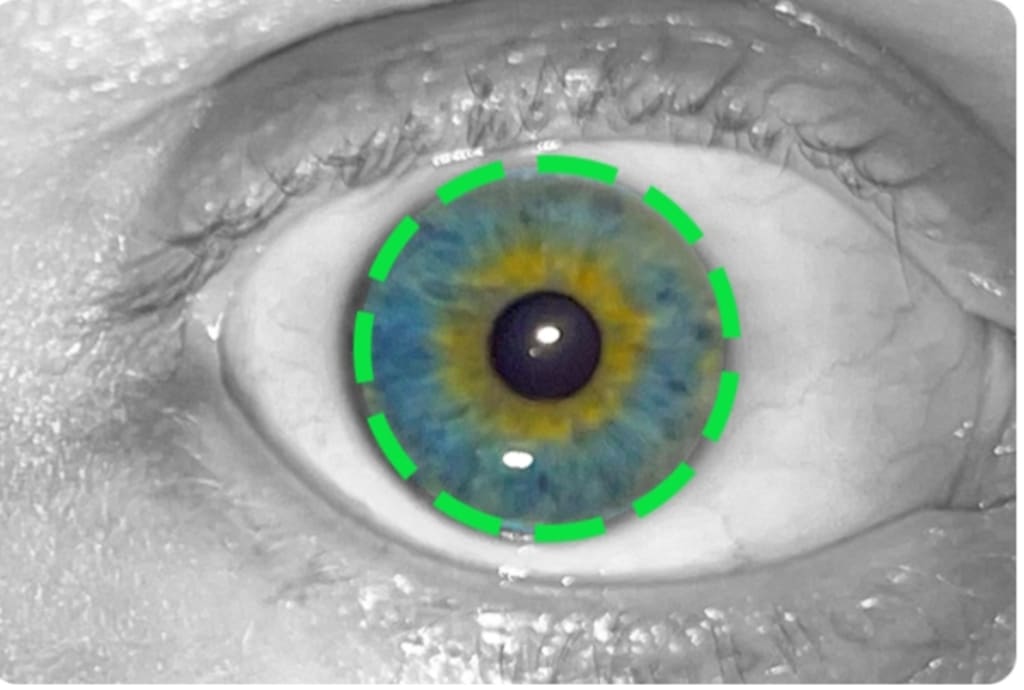
In the age of biometric security and advanced artificial intelligence, iris recognition has emerged as one of the most reliable and accurate forms of identity verification. At the heart of this technology lies a critical process: precise iris cropping. The ability to accurately isolate the iris from an image of the eye is fundamental to ensuring recognition accuracy, minimizing errors, and enhancing the robustness of biometric systems. As governments, corporations, and research institutions increasingly adopt iris-based identification, understanding the nuances of precise iris cropping has become essential.
---
What Is Iris Cropping?
Iris cropping is the process of isolating the iris region from the rest of an eye image, eliminating surrounding elements such as eyelids, eyelashes, and reflections. The cropped iris serves as the input for feature extraction algorithms that analyze unique patterns to identify individuals.
Unlike facial recognition, which analyzes broader features and can be affected by facial hair, makeup, or angles, iris recognition relies on highly intricate textures within the colored ring of the eye. Even a small error in cropping can lead to misidentification or false rejection, making precision paramount.
---
Why Precision Matters
The effectiveness of iris recognition systems is directly linked to the quality of cropping. Key reasons precision is critical include:
1. Error Minimization: Poor cropping may include parts of the sclera (white of the eye) or eyelids, introducing noise that confuses recognition algorithms.
2. Enhanced Feature Extraction: The more accurately the iris is isolated, the better the system can analyze its unique radial and concentric patterns.
3. Consistency Across Datasets: High-quality cropping ensures that images from different sources are comparable, improving performance in large-scale identification systems.
4. Resistance to Spoofing: Accurate iris boundaries make it more difficult for malicious actors to trick systems using fake eyes or images.
---
Techniques for Precise Iris Cropping
Advancements in computer vision and machine learning have enabled more sophisticated approaches to iris cropping. Some of the most widely used methods include:
Hough Transform-Based Segmentation: Detects circular patterns to identify the boundaries of the iris, providing a geometrically precise crop.
Active Contour Models (Snakes): Flexible curves adapt to the iris boundary even when eyelids partially cover the eye.
Deep Learning Models: Convolutional neural networks (CNNs) can be trained to segment the iris accurately, even in low-light conditions or when the eye is partially closed.
Hybrid Approaches: Combining classical image processing with AI techniques enhances robustness against noise, reflections, and occlusions.
Each method prioritizes accuracy, speed, and adaptability to various imaging conditions, from high-resolution CCTV footage to smartphone cameras.
---
Applications Across Industries
Precise iris cropping is not only a technical challenge—it is a cornerstone of multiple critical applications:
1. Security and Authentication
Iris recognition is widely adopted in airports, border control, and secure facilities. Accurate cropping ensures that authentication is fast, reliable, and resistant to errors or fraud. Countries like India, the UAE, and the United States use iris-based systems to streamline identity verification and enhance national security.
2. Healthcare Identification
Hospitals increasingly rely on biometric systems to manage patient records and access controls. Accurate iris cropping allows for non-contact identification, reducing the risk of errors in medical record matching and safeguarding sensitive data.
3. Banking and Digital Services
Financial institutions are experimenting with iris recognition for mobile and ATM authentication. In these cases, precise iris cropping ensures secure transactions without requiring physical cards or passwords.
4. Research and Artificial Intelligence
Academic and commercial research often depends on large datasets of iris images. Precise cropping is essential for training AI models that can generalize across different lighting, ethnicities, and imaging devices. Without accurate segmentation, models risk overfitting or misclassifying patterns.
---
Challenges in Achieving Precision
Despite technological advances, several obstacles remain in achieving perfectly cropped iris images:
Occlusions: Eyelids, eyelashes, and glasses can partially cover the iris, complicating segmentation.
Lighting Variations: Reflections and shadows can distort the iris boundary, especially in outdoor or low-light environments.
Motion Blur: Rapid eye movement during image capture reduces clarity, affecting cropping accuracy.
Low-Resolution Imaging: Devices with lower-quality cameras can miss fine iris patterns, reducing system reliability.
Overcoming these challenges requires a combination of robust algorithms, high-quality sensors, and adaptive preprocessing techniques.
---
Future Directions
The future of precise iris cropping is closely linked to advancements in AI, imaging technology, and computational power:
AI-Enhanced Real-Time Cropping: Emerging systems can crop iris images in real-time with extremely high accuracy, enabling faster authentication in high-traffic areas.
Cross-Device Adaptation: Algorithms are being developed to maintain precision across varying devices, from high-end scanners to smartphone cameras.
3D Imaging and Depth Analysis: Using depth sensors, systems can isolate the iris more accurately, even in complex lighting conditions or partially occluded eyes.
Integration with Multimodal Biometrics: Combining iris data with facial recognition or fingerprint analysis increases overall identification accuracy, relying on precise cropping as a foundation.
---
Conclusion
Precise iris cropping is more than a technical step in biometric recognition—it is the backbone of accuracy, security, and reliability in modern identity systems. By isolating the iris with meticulous precision, technology ensures that the unique patterns of the eye can be analyzed effectively, enabling applications in security, healthcare, banking, and AI research.
As machine learning, imaging technology, and real-time processing continue to evolve, the efficiency and reliability of iris cropping will only improve, cementing iris recognition as one of the most secure and trusted methods of identification in the digital age.
About the Creator
Keep reading
More stories from Salaar Jamali and writers in The Swamp and other communities.
Norway Wealth Fund Boosts US Treasury Holdings Despite Government Debt Concerns
Norway’s sovereign wealth fund, the world’s largest, has once again signaled confidence in the US Treasury market by increasing its holdings of American government debt, even as concerns over ballooning US deficits and mounting national debt loom large. The move highlights the fund’s long-term investment strategy, which prioritizes stability, liquidity, and risk management over short-term political or economic headlines. Analysts see the decision as a vote of confidence in US debt as a safe-haven asset, despite rising concerns about fiscal sustainability.
By Salaar Jamaliabout 9 hours ago in The Swamp
In Beijing, Starmer and Xi Seek a Way Around a Volatile U.S
UK and China eye closer ties amid shifting global alliances British Prime Minister Keir Starmer traveled to Beijing in late January for a historic visit with Chinese President Xi Jinping, aiming to strengthen ties between the United Kingdom and China at a time when the United States appears increasingly unpredictable in its foreign policy. The visit has drawn attention around the world as leaders from both countries explore opportunities for cooperation and maybe a way to hedge against volatility in Western alliances. Reuters +1 This trip is the first visit by a British prime minister to China since 2018, marking a significant moment in UK diplomacy. Starmer and Xi met amid broader international tensions tied to trade, security, and geopolitical shifts involving the U.S., Europe, and Asia. Reuters Why Beijing Matters Now China is the world’s second-largest economy and a major global player in trade, manufacturing, and technology. For the UK, engaging with Beijing makes economic sense: China was one of Britain’s largest trading partners, with tens of billions of pounds in annual trade before the 2025 dip in global commerce. The Express Tribune Starmer’s delegation included business leaders from more than 50 firms — including banks, pharmaceutical companies, and carmakers — showing the economic aims of the visit. European companies have also been exploring closer ties with China, especially as the U.S. takes a more unpredictable stance on global trade. Reuters A Shift From Dependence on Washington? A key theme of Starmer’s visit was the idea that the UK should look beyond traditional dependence on the U.S. The U.S. and UK have long enjoyed a close partnership known as the “special relationship,” built on shared history, defense cooperation, and economic ties. Wikipedia However, recent actions by the U.S. under President Donald Trump — including threats to impose tariffs on allies and unusual policy moves — have made some British leaders question how reliable Washington will be as a partner in the long term. The Express Tribune Starmer has stressed that the UK will not choose between the U.S. and China, but will instead build independent relationships with both. This approach aims to protect Britain’s interests in trade, security, and global influence without being pulled exclusively in one direction. Reddit What Starmer and Xi Discussed At the heart of the Beijing meetings was an effort to build what Starmer called a “more sophisticated relationship” with China, one that includes economic cooperation but also honest dialogue where disagreements exist. Yahoo News UK Xi told Starmer that the relationship between China and the UK had seen “twists and turns” that did not serve either country but said that strengthening dialogue was essential in a “turbulent world.” He emphasized mutual respect and cooperation as the foundation for moving forward. Anadolu Ajansı Both leaders discussed the benefits of closer ties in areas like trade, climate change, and global stability — while acknowledging differences on issues such as human rights and national security. ABC News Security and Caution Though Starmer embraced economic cooperation with China, he also stressed that the UK must remain clear‑eyed about national security concerns. Before his departure, the prime minister said London will engage with Beijing but will not ignore potential threats posed by foreign interference or espionage. The Guardian This balanced approach seeks to reassure audiences in London and Washington that diplomacy — not domination by any single power — guides Britain’s foreign policy. Economic Goals and Business Interests Starmer’s visit wasn’t just political — it was strategic. The UK has focused on attracting Chinese investment into sectors like financial services, clean energy, and manufacturing. Business leaders accompanying Starmer made it clear that economic cooperation was a central goal. Reuters China also eased certain visa measures for UK visitors during the visit, a sign that Beijing is willing to make concessions to improve cooperation. AnewZ These moves aim to support British economic growth at a time when traditional markets have slowed and global competition for investment has increased. Criticism and Debate at Home Not everyone in the UK welcomes a closer relationship with China. Critics have raised concerns over human rights issues, including China’s policies in Hong Kong and Xinjiang, and the strategic implications of deepening ties with Beijing. ABC News Some British politicians and commentators worry that too close a relationship could compromise national security or weaken ties with traditional allies like the United States. Starmer has responded by saying that engagement — including discussion of disagreements — is more productive than isolation, and that robust diplomacy can address concerns without shutting down cooperation. Global Relevance of the Visit Starmer’s trip fits into a broader pattern: Western leaders are increasingly meeting with China as they navigate a shifting global order. Leaders from Canada, France, and other nations have also visited Beijing, seeking business opportunities and political cooperation. The Express Tribune This trend reflects a wider reevaluation of how Western nations balance relationships with both the U.S. and China amid changing geopolitical realities. Conclusion The visit of UK Prime Minister Keir Starmer and his discussions with Chinese President Xi Jinping in Beijing are significant not just for Britain and China — but for global diplomacy. In a time of uncertainty and shifting alliances, nations are exploring new ways to protect their interests while engaging with multiple global powers. Starmer’s approach suggests that the UK no longer sees itself as bound to a single path dictated by others, but instead aims to balance security, economic opportunity, and strategic independence. Whether this new direction will succeed remains to be seen, but the Beijing visit is a clear sign that global diplomacy is entering a new era of complexity and cooperation.
By Fiaz Ahmed 2 days ago in The Swamp
Vulnerable Groups Missing Out on Benefits Due to Digital-Only Systems
Across the UK, thousands of vulnerable people are missing out on essential welfare benefits—not because they are ineligible, but because they cannot navigate the online systems designed to deliver them. As government services increasingly move to digital-only platforms, critics warn that those without internet access, digital skills, or stable living conditions are being quietly excluded from support they desperately need.
By Ayesha Lashari4 days ago in The Swamp




Comments
There are no comments for this story
Be the first to respond and start the conversation.